As global environmental awareness continues to rise and plastic restriction policies accelerate worldwide, the food packaging industry is undergoing a profound material revolution. In 2026, bio-based materials are moving from laboratories to commercial-scale production at an increasingly rapid pace, poised to become an important force in replacing traditional petroleum-based plastics.
From "Degradable" to "Bio-Based": A Diversifying Technological Path
For a long time, discussions around eco-friendly packaging in the industry have focused primarily on degradable plastics. However, the latest trends in 2026 show that bio-based materials are opening up a much more diversified technological path.
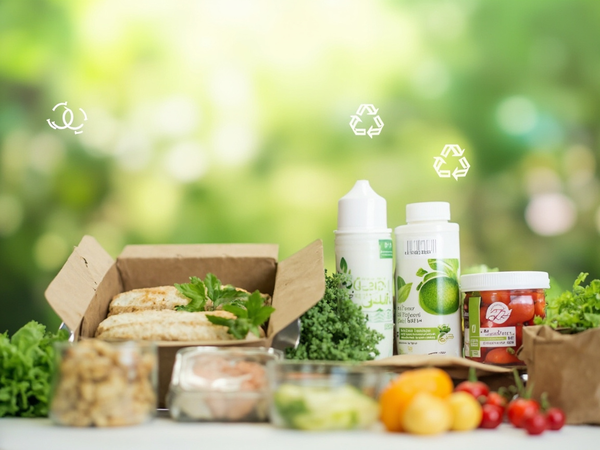
Bio-based materials refer to packaging materials made from renewable biomass sources such as starch, cellulose, and seaweed through chemical or biological processing methods. Compared with traditional plastics, bio-based materials hold a significant advantage in terms of full lifecycle carbon emissions—the carbon dioxide absorbed during raw material growth can offset emissions generated during the production process.
According to a recent industry report published by Japan's leading packaging group, the global market for bio-based materials in food packaging was approximately $4.2 billion in 2025, and is projected to grow at a compound annual growth rate (CAGR) of 14% to surpass $8 billion by 2030. Among regions, North America and Asia-Pacific are the fastest-growing markets.
Food-Grade Safety: The Core Threshold for Bio-Based Material Commercialization
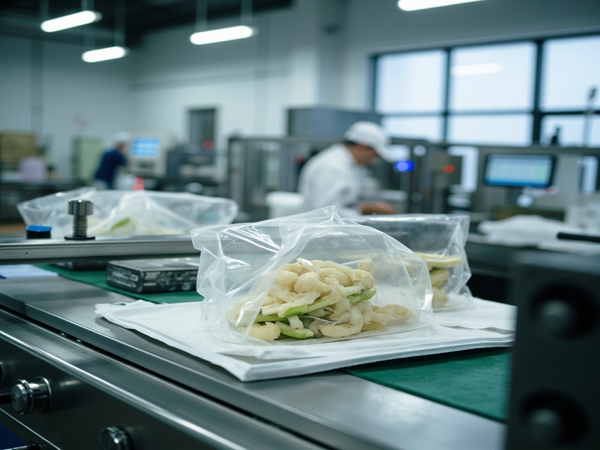
For food packaging, whether materials can come into direct contact with food is a prerequisite for commercialization. In 2026, bio-based materials have achieved breakthroughs in food-grade safety certification.
The EU's Regulation on Food Contact Materials (EC No 1935/2004) imposes stringent requirements on the traceability and safety of plastics intended for food contact. In the past, due to their complex compositions and diverse sources, bio-based materials struggled to pass unified standard certifications. Today, through the establishment of raw material traceability systems and the standardization of processing technologies, leading companies have been able to provide complete food contact compliance documentation.
On the domestic front, China's National Center for Food Safety Risk Assessment launched the development of national standards for bio-based food contact materials at the end of 2025, with the formal standard expected to be released in 2027. This means that market access for domestic bio-based food packaging will become more standardized.
Cost and Performance: The Dual Challenges of Commercialization
Despite promising prospects, the large-scale commercialization of bio-based materials still faces practical bottlenecks. Cost is the primary obstacle—currently, the unit production cost of bio-based materials remains 30% to 50% higher than that of traditional plastics, which puts them at a disadvantage in the price competition of mid-to-low-end food packaging markets.
In terms of performance, some bio-based materials still lag behind traditional polyethylene (PE) and polypropylene (PP) in barrier properties (preventing moisture and oxygen penetration) and heat resistance. For food scenarios requiring high-temperature sterilization or cold-chain logistics, traditional plastics remain the more economical choice.
However, technological iteration is rapidly narrowing the gap. In early 2026, a domestic modified plastics company announced that its new modified PLA (polylactic acid) material had increased heat resistance to above 100°C while reducing costs by approximately 20% compared to conventional PLA. The product has already entered the packaging supply chain of several fast-food chains.
Industry Chain Collaboration: Determining How Far Bio-Based Materials Can Go
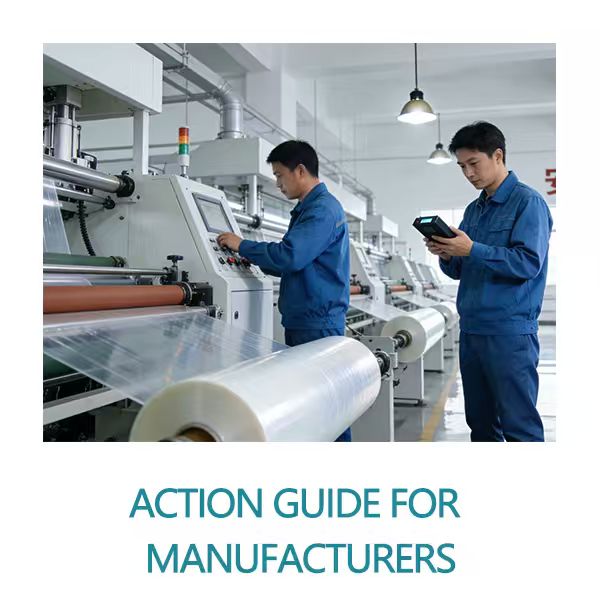
The material transformation of the food packaging industry is never an effort by a single link but requires collaboration across the entire industry chain. From raw material suppliers and modified material manufacturers to packaging designers, brands, and recycling systems, coordination at every stage determines whether new materials can truly scale up and achieve widespread adoption.
It can be foreseen that, driven by both environmental policy mandates and evolving consumer market awareness, the penetration rate of bio-based materials in the food packaging sector will continue to increase. For industry participants, early deployment and the establishment of a stable supply chain will be key to securing a leading position in the new round of material revolution.