Aluminum Foil Kitchen Guide: 6 Practical Tips for Baking, Food Storage, and Covering
Aluminum foil is a versatile tool in every kitchen, yet many people only know it for wrapping food during grilling. In fact, aluminum foil has many hidden uses in daily life. Mastering the right techniques can make cooking easier and save you money in the long run.
1. Know Which Side Is Which: Shiny or Matte Face Out?
Many people don't realize aluminum foil has two distinct sides. Industry standards dictate that the matte side faces outward during manufacturing because the matte surface has higher thermal reflection efficiency, while the shiny side is smoother for easier cleaning. When roasting, placing the shiny side toward the food allows heat to reflect more evenly for better browning.
In daily use, you don't need to be overly concerned about which side is which, as the practical difference is minimal.
2. Roasting and Baking: The Secret to Locking in Moisture
When grilling or roasting ingredients, wrapping food in aluminum foil is an excellent way to prevent the surface from drying out too quickly. Before wrapping, lightly brush a thin layer of oil on the inside of the foil for added protection. After roasting, let the food rest in the foil for 5-10 minutes — this allows juices to redistribute throughout the meat for a more tender and juicy result.
For delicate fish and seafood that tend to fall apart easily, shape the aluminum foil into a "boat" to serve as a tray during baking. This makes handling easier and prevents fish skin from sticking to the baking tray.
3. Refrigerator Storage: An Effective Solution for Preventing Odor Transfer
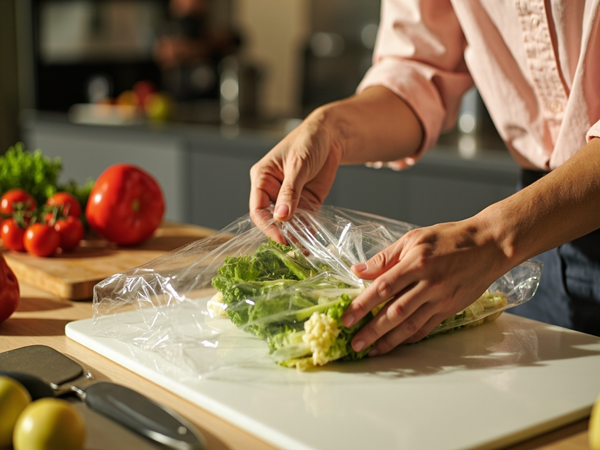
Covering leftover dishes or semi-prepared bowls with aluminum foil before putting the lid on or wrapping directly can effectively block odor exchange between different foods in the refrigerator. Compared to ordinary plastic wrap, aluminum foil provides a tighter seal, making it especially suitable for short-term storage of marinated meats or ingredients with strong odors.
One important note: aluminum foil is not ideal for long-term direct wrapping of highly salty or acidic foods (such as vinegar-preserved items), as this may cause slight metal reactions.
4. Microwave Usage: Be Cautious in These Situations
Many people are confused about whether aluminum foil can go in the microwave. Food wrapped in a small amount of aluminum foil can be microwaved for short periods under certain conditions, but only if the foil does not touch the microwave interior walls and must be wrapped completely flat without wrinkles or sharp edges, which can cause arcing.
When in doubt, the safest approach is to transfer food to microwave-safe glass or ceramic containers for heating.
5. Cleaning Hack: Making Oven Cleaning No Longer a Headache
Among kitchen cleaning tasks, removing baked-on grease from oven walls is one of the most stubborn problems. Before roasting foods that may splatter, line the oven bottom and walls with aluminum foil. After roasting, simply remove and replace the foil, eliminating the need to scrub the interior walls.
For baked-on residue on baking sheets or frying pans, place foil dampened with water over the affected area, cover with another layer of foil, and let it soak for 2 or more hours to soften the residue before wiping away easily.
6. Eco-Friendly Disposal: Don't Throw Away Used Foil
Aluminum foil is a highly recyclable material. After use, crumple the foil into a ball (balled shapes are easier for recycling sorting) and place it in the recycling bin. Make sure to remove food residue before disposing — grease and food particles can compromise recycling quality.
Aluminum foil does not biodegrade, and improper disposal causes waste and environmental pollution. Correctly recycling just one kilogram of aluminum foil saves approximately 95% of the production energy required.
Conclusion
Aluminum foil may seem ordinary, but it is a true multi-purpose helper in the kitchen. From cooking and food storage to cleaning and maintenance, using aluminum foil wisely can make everyday cooking more efficient. If you have more aluminum foil tips to share, feel free to exchange ideas in the comments.