

Categories

Baodafor Builds a Quarantine and Disposal System for Nonconforming Material: Every Rejected Film Roll Has a Clear Basis and a Defined Fate
A quarantined film roll that mixes into a good batch and reaches the customer costs far more than one roll of material: it costs the customer trust in the whole batch. Baodafor builds a quarantine and disposal system for nonconforming material. The workshop is zoned into pending-judgment, nonconforming and released-goods areas, status marking travels with the material, and every quarantine and every disposition is entered in a written log. Judgment rests on test data rather than on whether something looks acceptable, and disposition runs through four routes: rework, downgrade with stated limits, supplier return or claim, and scrap. The system is linked to batch traceability, retain samples and customer complaint handling, which is what makes delivery certainty possible across parallel production of ziplock bags, PE cling wrap, aluminum foil and baking paper.
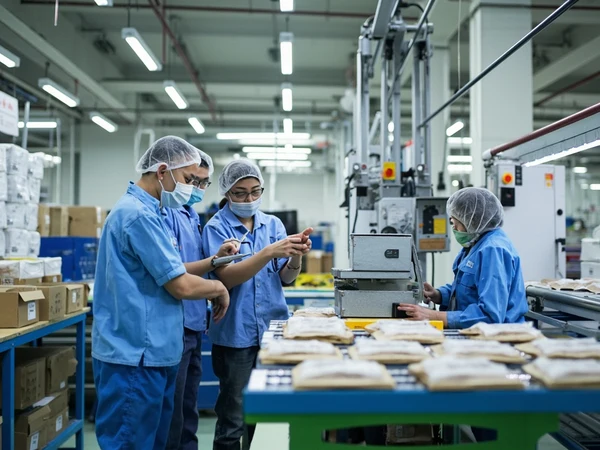
Baodafor Builds a Shopfloor Improvement Suggestion System: Turning Problems Found on the Line into Measurable Gains in Material Loss and Efficiency
Most problems on a food packaging line are seen first by the people standing at the station, and they only become improvements when a mechanism catches them. Baodafor has built a shopfloor improvement suggestion system: low-threshold suggestion cards at each station, a fixed monthly improvement day where process, equipment and production review items and sort them into raw material loss, equipment stability, efficiency gains, and safety and hygiene; every approved card goes through a controlled trial on one team or one batch, comparing material consumption per roll, scrap rate, changeover time and downtime, and only then is it written into a work instruction and copied to other lines; adopted suggestions are reflected on the team improvement board and carry the proposer's employee number when standardized. The improvements do not change the product design, only what the hands at the station do, and they reach customers as consistent dimensions, reliable seals and stable lead times.

Baodafor Standardizes Critical Spare Parts and Wear-Part Management: A Tiered List and a Shared Spare Pool Keep Downtime Controllable on Packaging Lines
On food packaging lines, downtime is usually consumed by waiting for parts rather than by the repair itself. Baodafor has separated critical spare parts and wear parts from ordinary consumables and manages them separately: tiering them into critical spares, frequently replaced wear parts and standard substitutable items, each with its own safety stock and replenishment rule; consolidating the heating tubes, cutter shaft bearings and extruder screens shared by several lines into one spare pool with a unified register; correcting replacement intervals from real issue data; preparing multiple qualified sources for critical parts with alternative models validated in advance; and tying every replacement to line release and first-article confirmation, with the record written into the spare parts register so that equipment availability and batch stability improve together.
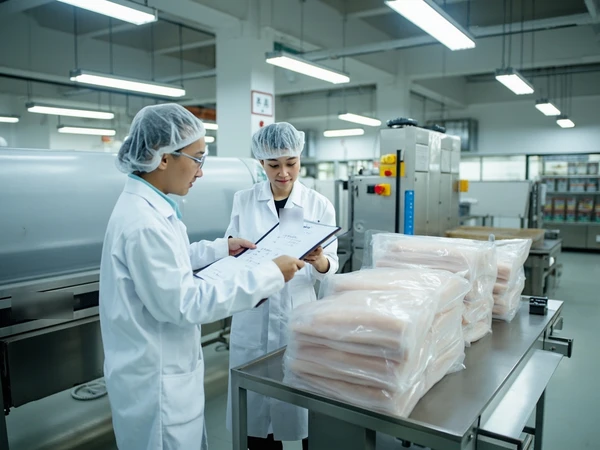
Baodafor Introduces Shift Handover Records and Exception Briefing to Keep Production Information Continuous Across Crew Changes
Batch consistency in continuous production often depends on whether the information passed between two shifts is complete. This article sorts out the five categories a handover has to carry - equipment and process state, material batches, quality state, exceptions and handling, and the condition of the floor - explains three working rules (the sheet and the face-to-face briefing, every exception assigned to an owner, verbal instructions written down within ten minutes), shows how handover connects first-article confirmation, process document version control and real-time abnormality response at the shift boundary, and shares the practical measures: fewer fields, crew-specific briefings, archiving by shift and batch, and narrowing the scope of a complaint.

Baodafor Standardizes Gowning and Personnel Hygiene Entry Controls to Protect Food Contact Surfaces
In a food packaging workshop the first contamination source is usually a person. Baodafor applies one gowning and entry standard across its ziplock bag, PE cling wrap, aluminum foil and baking paper lines: five sequential steps from shoe change and hand washing to work coat, hairnet, mask and gloves; explicit replacement triggers; special entry rules for visitors and maintenance staff; and pre-shift confirmation, in-shift patrol, exception closure and record keeping. The article also explains how customers can write cleanliness clauses into quality agreements and verify the records during an audit.

Baodafor Establishes Version Control for Process Documents and Work Instructions Across Production Lines
Outdated process documents are one of the most underestimated hidden quality costs on a packaging line. This article explains how a superseded work instruction turns into a batch of defects, and lays out the full mechanism Baodafor uses: four document categories under one numbering rule, six controlled steps for every revision, workstation error-proofing, and weekly checks with quarterly reviews.
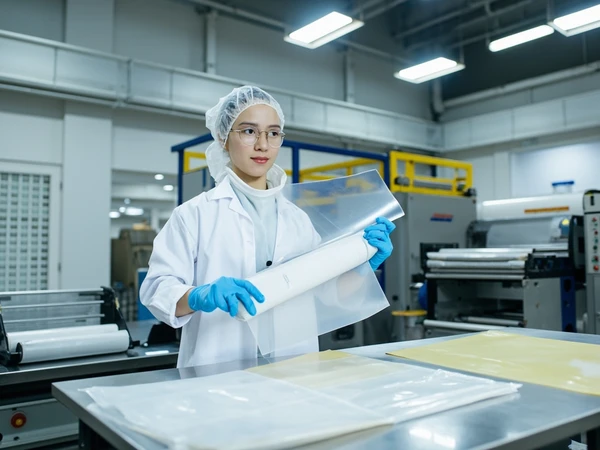
Baodafor Introduces First-Article Confirmation and Line Release to Move the Quality Gate Ahead of Batch Production
Baodafor makes first-article confirmation a mandatory step before every startup, changeover and restart, with sampling, comparison, judgement and documentation forming a closed loop that moves batch-level quality risk ahead of the first piece instead of letting one small deviation be copied thousands of times.
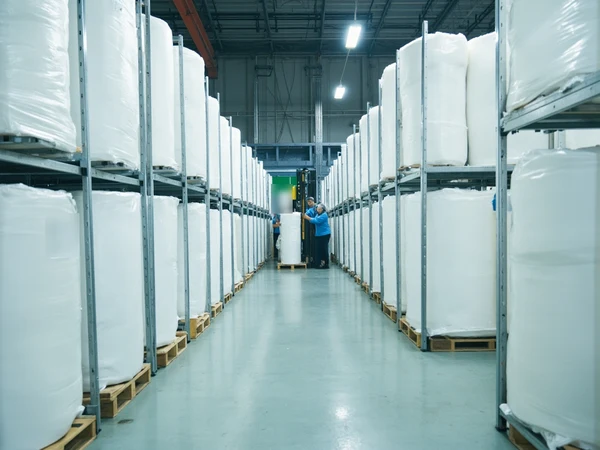
Baodafor Standardizes Raw Film Roll Storage Conditions and FIFO Management to Bring Every Roll to the Line in Stable Condition
Raw film rolls are the first checkpoint of food packaging quality, and moisture, aging, dents and mixed batches all get amplified on the line. Baodafor manages this through storage environment control, first-in-first-out picking with batch cards, quarantine of abnormal rolls and a defined handover from warehouse to production line, so every roll reaches the line in stable condition.
Baodafor Builds a Packaging Specification Selection System to Move Material Sizing from Experience to Standardized Comparison
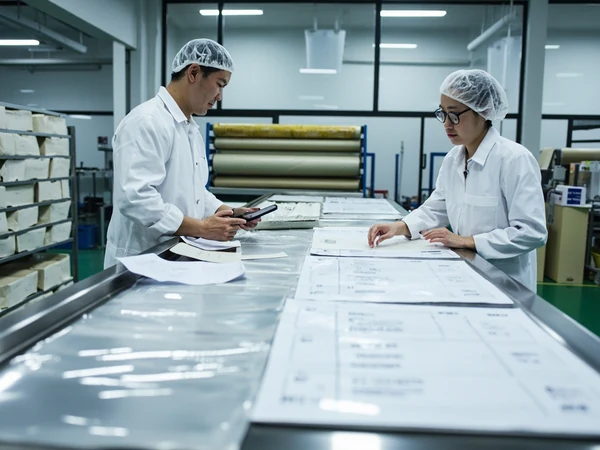
Baodafor has consolidated the material selection experience of its four product lines into one unified packaging specification selection system, using shared parameter definitions, a scenario-to-material decision path, quick-reference material and sample-based trial production to move customer material selection from experience to standardized comparison.

Baodafor Builds Retain Sample and Shelf Life Validation for Finished Food Packaging, So Every Batch Has a Verifiable Expiry
Packaging problems rarely surface on the day of release; they emerge months later or through a customer complaint. Baodafor now validates shelf life through batch-level retain samples and periodic re-inspection, binds the sample ledger to work orders, inspection reports and equipment parameters, and sets differentiated validation indicators and early-warning rules for ziplock bags, cling wrap, aluminum foil and baking paper.




