

Categories
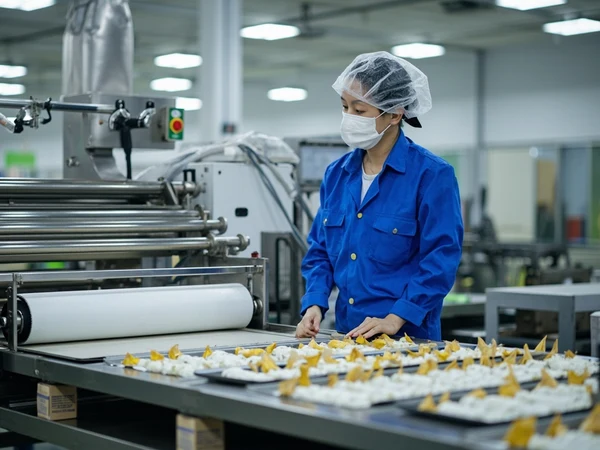
Confectionery Packaging Goes Premium: How Aluminum Foil Protects Shelf Life and Shelf Appeal
Chocolate and candy aromas are among the most light-sensitive qualities in food: cocoa butter oxidizes under light and oxygen, and a few weeks of retail lighting is enough for the aroma to fade. When confectionery packaging moves premium, the first addition is rarely heavier paper but the invisible aluminium layer: it blocks almost all light, has an extremely low oxygen transmission rate and, once laminated, supports shelf life measured in months or seasons, while the sealing layer closes the pack and the paper layer provides stiffness and printability, blocking both moisture migration and aroma transfer between neighbouring shelves. Bar, inflated pillow, filled and twist-wrapped formats each demand a different structure, while ziplock bags, PE cling wrap and baking paper cover family repacking, short-term protection and gift box dividers. This article walks through light oxidation mechanisms, laminate layers and process zones, per-category division of labour, food contact compliance and export audits, and closes with a selection checklist for buyers.
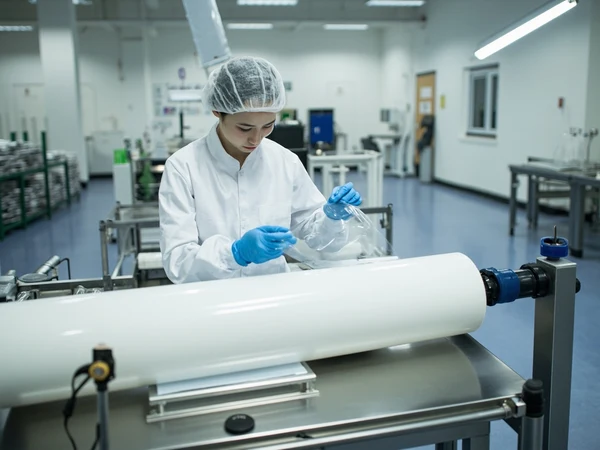
Food Contact Packaging Goes Additive-Free: How Low-Migration PE Cling Wrap and Ziplock Bags Meet Retailer and Export Audit Requirements
Material review of food contact packaging is moving from checking one certificate to checking a set of data: retail private-label buyers, chain restaurant groups and export customers now ask about total migration, specific migration limits and additive dosages. This article explains the 10 mg/dm² total migration baseline for plastic food contact materials and what the additive positive list actually means, breaks down three review points for PE cling wrap and ziplock bags (source and grade of the base resin, balancing slip and opening additives, and ink and composite structures), and covers what differs for baking paper and aluminium foil, from fluorescent brighteners and silicone coatings to coating compatibility. It closes with the documentation, test data, traceability and change management a converter needs to have ready for an audit.
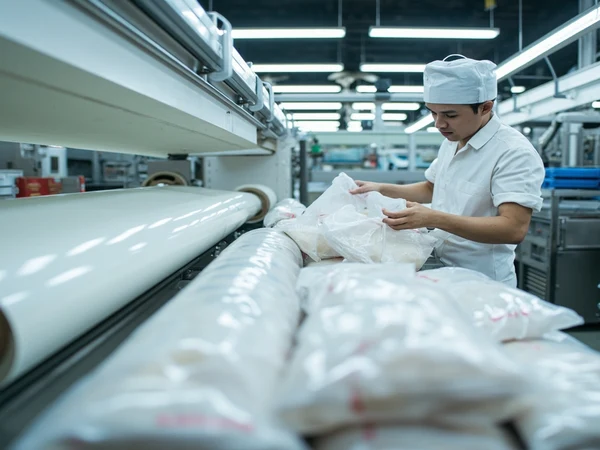
Antimicrobial and Active Packaging Move into Production: Food Packaging Shifts from Passive Barrier to Active Preservation
Once barrier performance nears its material limit, shelf life is constrained by microbial growth and condensation rather than gas permeation. Antimicrobial and active packaging intervene actively inside the pack through oxygen scavenging, CO2 control, moisture management and antimicrobial agents. This article reviews the three active-packaging routes, antimicrobial application methods and testing practice, maps the roles of ziplock bags, PE cling wrap, aluminum foil and baking paper, and analyzes the regulatory, cost, verification and temperature barriers to adoption.
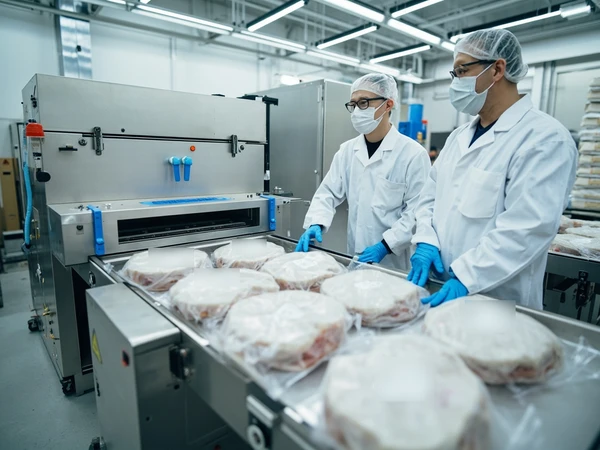
Modified Atmosphere and Vacuum Packaging Take Hold in Fresh Food Supply Chains: How Ziplock Bags and Aluminum Foil Divide the Work
Vacuum packing, modified atmosphere packing and oxygen scavenging look alike on the shelf but work on different principles and suit different product groups. This article separates the mechanism and the boundaries of each route, shows how transmission rates, humidity and condensation decide shelf life, compares how central kitchens, fresh retail and foodservice channels each deploy them, and sets out where ziplock bags, aluminum foil, cling film and baking paper belong in the chain.

Grain and Rice Packaging Demand Rises: How Ziplock Bags, Aluminum Foil and Cling Film Divide the Work
Grain and rice packaging is moving away from one-bag-does-everything toward a division of labour across storage, transport and retail. This article breaks down the indicator priorities for ziplock bags, aluminum foil, cling film and baking paper at each stage, and gives buyers three practical tips: split the requirement by stage, check grammage and seal strength before comparing price, and validate on a small batch.
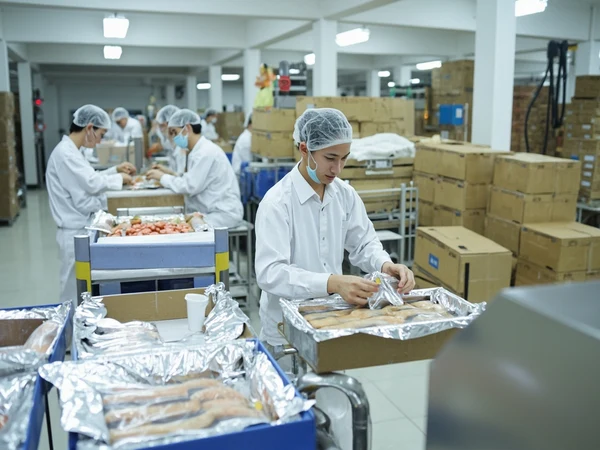
Export Food Packaging: How Ziplock Bags, Aluminum Foil, Baking Paper and Cling Film Divide the Work Under Long-Haul Transit and Destination Standards
Export food passes through weeks of transit and multiple market standards, and ziplock bags, aluminum foil, baking paper and cling film each handle a different part of it. This article follows the export flow from portioning and casing through stacking and transit to clearance and delivery, and lists five parameters to confirm before placing an export order.
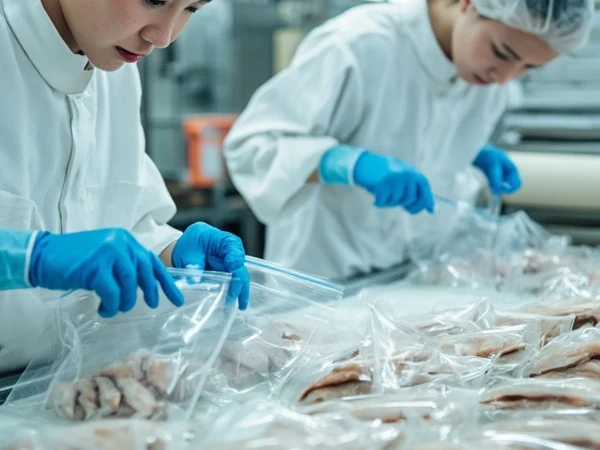
Aquatic Product Processing Scales Up: How Ziplock Bags and Aluminum Foil Handle Leakage, Odor Transfer and Oxidation
Once aquatic product processing moves into centralized plants, packaging becomes the step that decides yield and quality. This article breaks down three real problems - leakage and weight loss, odor transfer and oxidation - shows what ziplock bags, aluminum foil, baking paper and cling film each solve, and sets out where packaging appears along the chain and what to watch when buying and accepting material.

Institutional Catering and Central Meal Distribution Expand: Ziplock Bags, Aluminum Foil and Baking Paper Meet Growing Portioning Demand
As institutional catering and central meal distribution shift from on-site cooking to centralized production and uniform delivery, portioning packaging becomes a stable new demand. This article maps the roles of ziplock bags, baking paper, aluminum foil and cling wrap across cold portioning, hot-food separation, foil containers and temporary sealing, and sets out the four hard requirements on the procurement side: food-grade compliance, size and throughput matching, temperature-zone adaptation, and cost per portion.
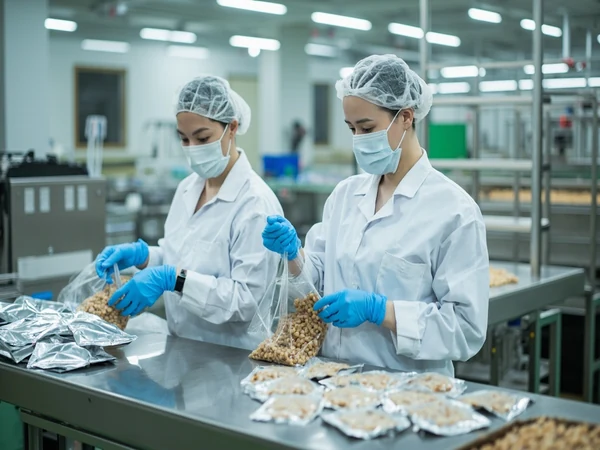
Pet Food Packaging Demand Rises: Selecting Aluminum Foil, Ziplock Bags and Cling Wrap for Freeze-Dried Treats and Fresh Meat Recipes
Pet food packaging follows a selection logic of its own. Aluminum foil protects freeze-dried treats from light and aroma loss, ziplock bags handle portioning and repeated access, and cling wrap manages post-opening storage at home. Specification should focus on food-contact compliance, barrier data, closure format and size matching.
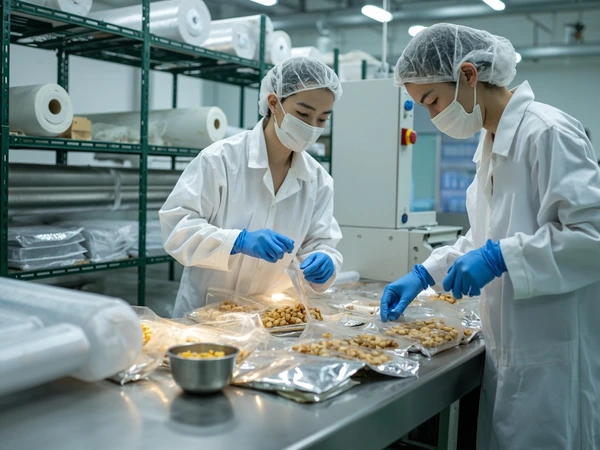
Channel Shifts in the Nut and Snack Industry Drive Demand for Freshness Packaging: Choosing Aluminum Foil, Ziplock Bags and Baking Paper
Nuts and snacks are shifting from bulk market stalls to supermarkets, e-commerce and discount snack chains, and every channel needs a different pack format. This article explains the economics of oxidation, maps aluminum foil, ziplock bags and baking paper to their typical applications, and sets out four effects for the packaging supply chain plus three practical procurement actions.




