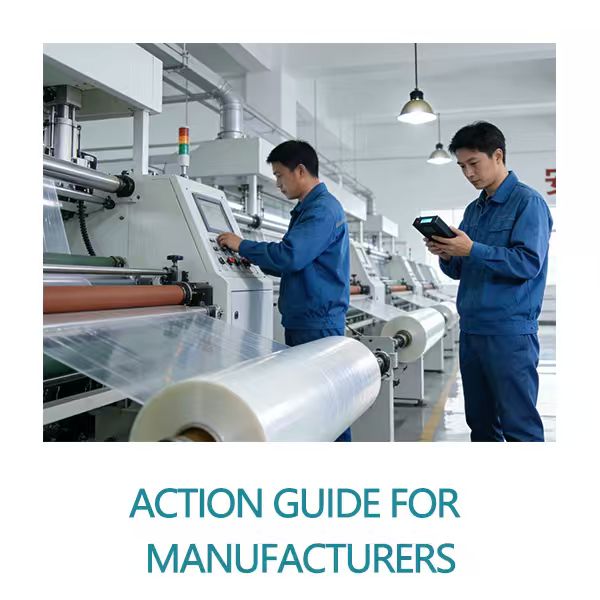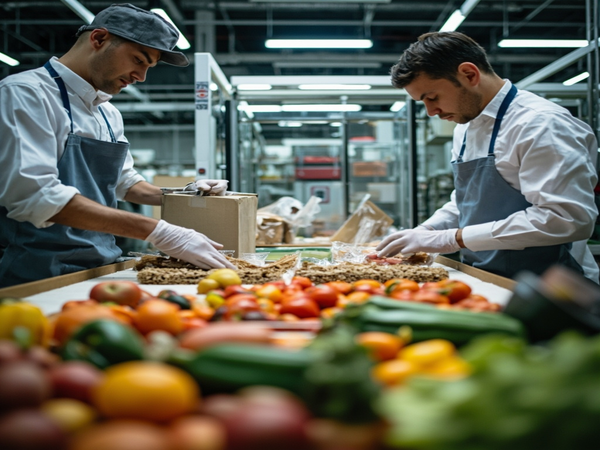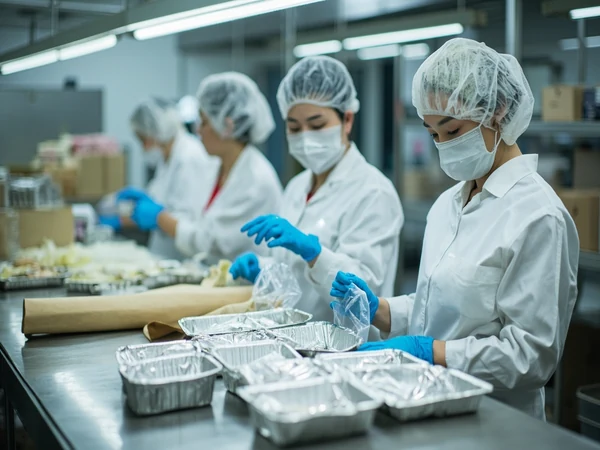
As corporate canteens, school canteens and campus dining lines move toward centralized operation, and as chain restaurant groups adopt the central kitchen plus uniform delivery model, institutional catering is shifting from cooking and selling on site to producing in bulk, portioning, and delivering as prepared meals. In that chain, packaging is no longer an afterthought of the kitchen. It directly determines serving speed, how well food keeps its flavor, and the quality of the delivery. Portioning packaging has therefore become one of the most stable growth segments in the food-grade packaging market.
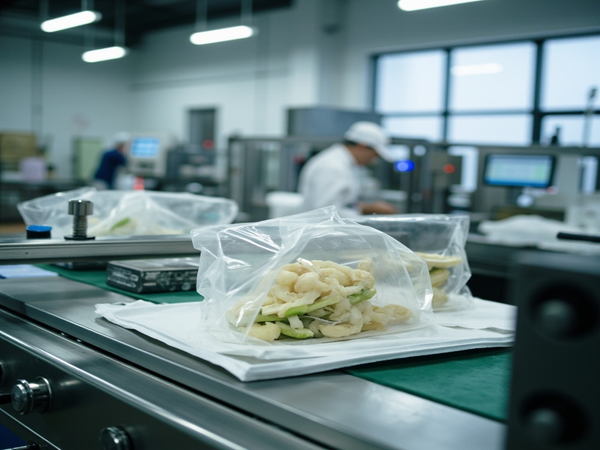
The division of labor between packaging types across different production lines is quite clear. Cold dishes, braised items, dressed salads and semi-finished items are best packed in ziplock bags. The press-to-close seal can be opened and closed repeatedly, which suits batch serving; it offers a reasonable barrier against sauces and grease, reducing flavor transfer and leakage; and portioning in advance standardizes the preparation step, so serving staff only need to label and hand out. For hot staples and bakery items, baking paper takes on the job of grease separation and structural support. Steamed buns, baozi and flaky pastries sit directly on the paper, where its oil absorption and leak resistance keep the bottom from turning soggy; paper can also be die-cut into shape, which suits the line-based workflow of bulk preparation. Scenes that need heat resistance and load-bearing strength - tray liners, baking and grilling containers, sealing over the top of a dish, and braised or baked products that need light and oxygen blocked - are handled by aluminum foil. In the window between finishing preparation and handing out the meals, cling wrap covers and temporarily seals the containers, keeping dust and stray odors out, although hot food has temperature limits on direct contact and should not be wrapped hot for long periods.
For buyers in institutional catering, packaging has to clear four hard requirements. The first is food-grade compliance and control of odor migration. In centralized catering, one production batch is distributed many times, so packaging that carries an odor or transfers color will directly affect how the meal is judged. The second is matching size to throughput. Portioning packaging is consumed in volume, and the consumption peak falls inside the preparation window, so the bag opening width, film thickness and sealing method must match the portioning machine - otherwise sealing speed becomes the bottleneck for the entire line. The third is temperature-zone adaptation: the hot line cares about heat resistance and grease separation, the cold line cares about sealing and barrier performance, and the same package should not be used for both. The fourth is that cost has to be calculated per portion served rather than per roll purchased, because a small difference in packaging price is multiplied across tens of thousands of portions.
Looking at how procurement actually works, institutional catering customers increasingly prefer to configure packaging sets by production line: ziplock bags for the cold line, baking paper and aluminum foil for the hot line, and cling wrap for staging and delivery. The larger the centralized kitchen, the more packaging standardization and food-grade compliance shift from a bonus into an entry requirement. For packaging suppliers, being able to recommend specifications that match the customer's portioning process, deliver consistent supply and guarantee batch consistency builds longer partnerships than competing on unit price alone.