

Categories
Tag: restaurant packaging
Found 9 article(s)
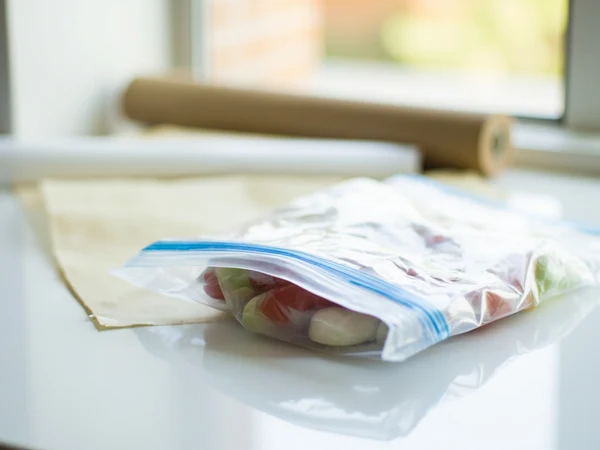
Reusing Ziplock Bags Without Losing the Seal: Zipper Structure, Durability Cycles and Long-Term Freshness
A ziplock bag is one of the few flexible food packages that can be reopened, but opening once and still sealing after dozens of cycles are different things. This article breaks down three structural variables of the sealing teeth (number of tracks and engagement depth, tooth profile and pitch, zipper flange), compares PE, PET and composite structures on fatigue, environmental stress cracking and barrier performance, explains how contents and storage conditions decide the real number of re-use cycles, and gives practical measures: visual inspection before every use, portioning liquids, drying completely, avoiding hot sealing, and trading one large bag for several small ones. It closes on where ziplock bags, PE cling wrap and aluminum foil each belong.
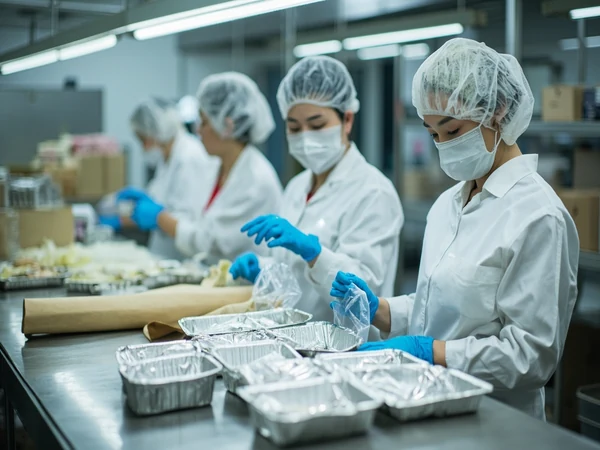
Institutional Catering and Central Meal Distribution Expand: Ziplock Bags, Aluminum Foil and Baking Paper Meet Growing Portioning Demand
As institutional catering and central meal distribution shift from on-site cooking to centralized production and uniform delivery, portioning packaging becomes a stable new demand. This article maps the roles of ziplock bags, baking paper, aluminum foil and cling wrap across cold portioning, hot-food separation, foil containers and temporary sealing, and sets out the four hard requirements on the procurement side: food-grade compliance, size and throughput matching, temperature-zone adaptation, and cost per portion.
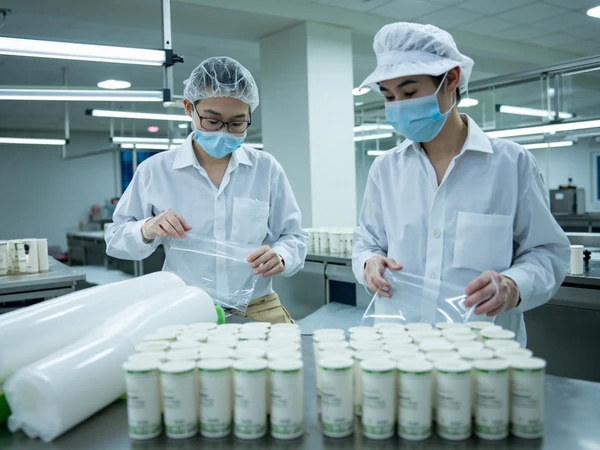
Tea and Coffee Chain Expansion Turns Cup Sealing Films into a New Growth Driver for Food-Grade PE Film
As prepared tea and coffee chains expand, cup sealing films become a mandatory consumable used on every cup. This article analyzes the demand shift, three product requirement lines covering sealing compatibility, durability and food contact safety, supply chain consistency expectations, and the path from commodity film to scenario-defined custom packaging for food-grade PE film suppliers.
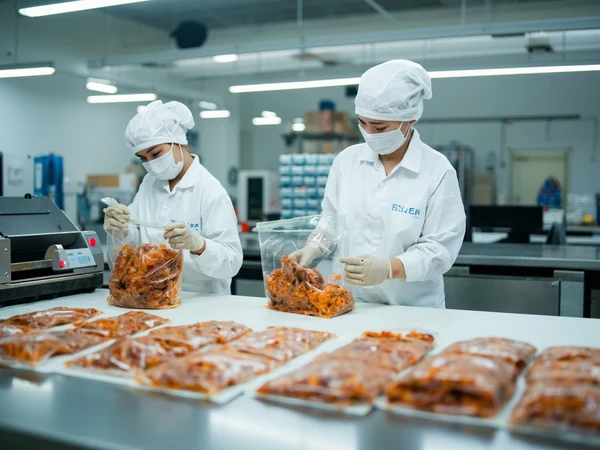
Oil Resistance of Ziplock Bags: How to Choose the Right Film for Braised, Fried and Sauced Foods
Oil seepage in ziplock bags usually comes from three paths: film permeation, seal leakage and pinholes. This article breaks down the variables behind oil resistance and gives practical guidance on film selection and packing steps for braised, fried and chilled oily foods.
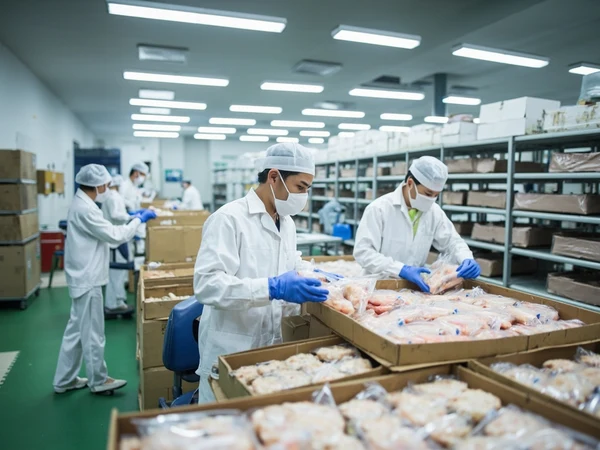
Instant Retail and Short-Chain Delivery Reshape Food Packaging Demand Toward Small-Batch, High-Frequency Orders
Instant retail and short-chain delivery break food packaging demand into replenishment cycles measured in days or even hours. Harsher delivery conditions, smaller and more frequent orders and the display value of packaging are pushing competition from unit price toward protection performance per unit of logistics cost.
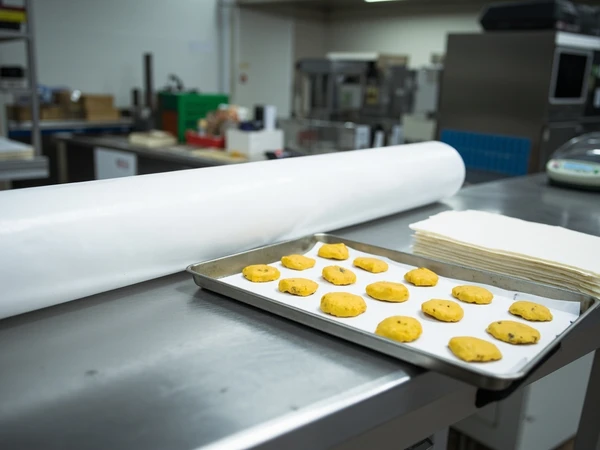
Chain Bakeries and Central Kitchens Drive Standardized Baking Paper Specifications
Chain bakery and central kitchen expansion is turning baking paper from a generic consumable into a line-configured production material. How grammage, silicone coating, and roll width map to tray sizes and output volume, plus usage reserves and cost balance.

Baodafor Organizes Autumn Team Building Activities to Strengthen Cohesion and Collaboration
On October 1st, Baodafor successfully held an autumn outdoor team building activity with over 30 employees, strengthening teamwork and collaboration through various challenging outdoor projects.
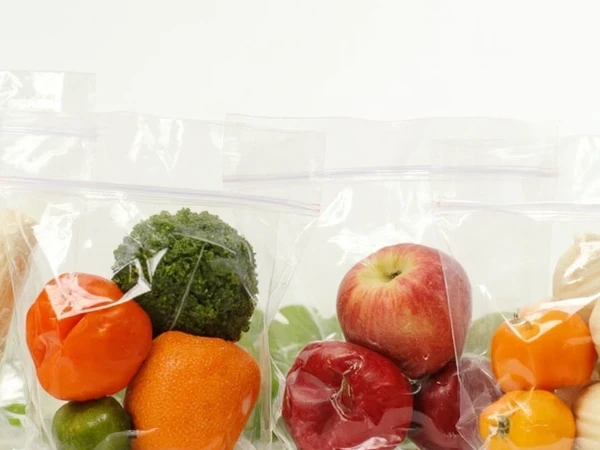
Aluminum Foil's High-Temperature Resistance Advantages and Correct Usage in BBQ Scenarios
With a melting point of 660°C, aluminum foil offers excellent high-temperature resistance for BBQ. This article explores its advantages and proper usage methods.
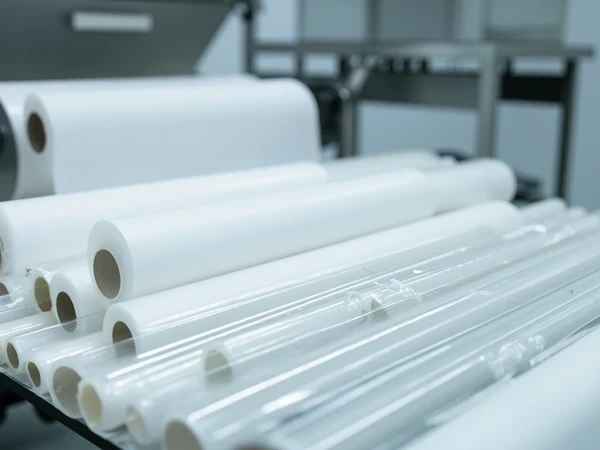
Global Recycled Plastic Packaging Market Grows Rapidly, Circular Economy Becomes Mainstream
The recycled plastic packaging market is growing rapidly, with circular economy becoming a key trend in the global packaging industry.




