Reusing Ziplock Bags Without Losing the Seal: Zipper Structure, Durability Cycles and Long-Term Freshness
1. "It opens and closes" and "it still seals after dozens of cycles" are two different things
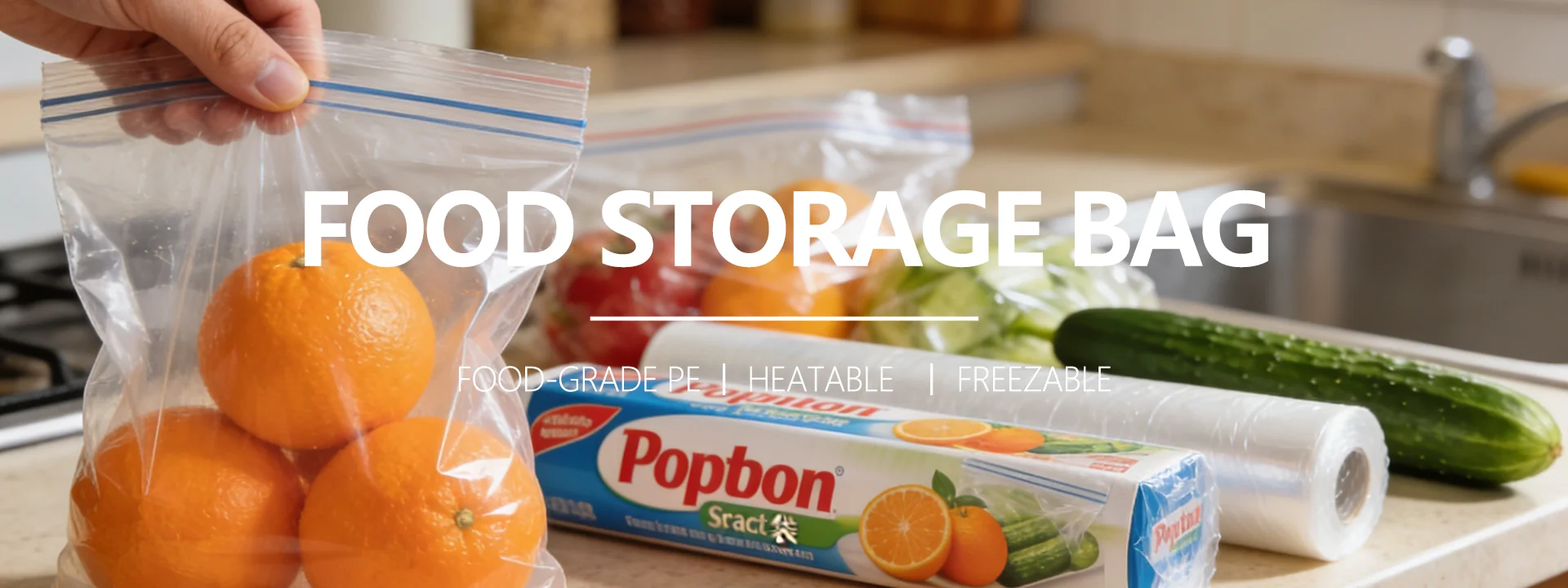
A ziplock bag is one of the few flexible food packages that can be opened and closed again and again. You can take out half of what you stored, put the rest back, and keep it sealed. That is the fundamental difference from an ordinary disposable bag, and it is why ziplock bags are the most frequently reused flexible package in home kitchens and restaurant back kitchens.
But "the zipper opens" and "the zipper still seals after dozens of cycles" are entirely different questions. The first is settled by the structure, and almost every qualified product can do it on the day it leaves the factory. The second depends on the geometry of the sealing teeth, the fatigue resistance of the material, the chemistry of what is put inside, and the storage conditions. As ziplock bags shift from "a disposable container" to "a container that gets reused", re-use performance has stopped being a detail and has become a variable that directly affects how well food actually stays fresh.
2. Three structural variables in the sealing teeth
Number of tracks and depth of engagement. A double-zipper closure is built from two separate tracks that interlock. The deeper they engage and the closer the teeth sit, the narrower the leak path becomes after closing, and the lower the risk of air loss or seepage. A single-track zipper is simpler and cheaper, but it is more likely to slip out of engagement on one side during repeated use.
Tooth profile and pitch.Common profiles include the double diamond, the round tooth and triple-track designs. A double diamond profile forms a linear contact line after pressing, which needs less closing force, but the tooth tips wear faster over long use. A round tooth relies on elastic deformation to stay in contact, feels smoother through repeated cycles, and keeps a usable engagement depth even after some wear.
The zipper flange. On both sides of the zipper there is normally a heat-sealed or ultrasonic-welded band that anchors the tracks to the bag body. This is the most easily overlooked weak point in the whole structure. However good the tracks are, if the flange delaminates, the bag will still leak.
3. Material sets the durability ceiling
Ziplock bags are commonly made in PE (HDPE/LDPE), PET, and PE/PET composite structures, and the three behave very differently under re-use.
PE (HDPE). Tough and strong in tension, it resists tearing through repeated opening and closing, and it is the most common material for household ziplock bags. The drawback is environmental stress cracking: long contact with oil and salt gradually degrades the film, and the surface tends to haze and lose transparency. With an aged PE bag, it is often the bag body that fails first, showing fine cracks, rather than the zipper.
PET. Better barrier performance and heat resistance. It resists permeation by salty, oily contents such as brines and sauces, and it holds aroma well over long storage. Being harder, however, PET tends to show stress whitening and micro-cracks along the fold line when bent repeatedly.
Composite structures. Combining the toughness of PE with the barrier of PET or PA balances durability against barrier performance, and is the more common choice in premium foodservice delivery and long-term storage.
4. What you put in it, and for how long you keep it, decide how many cycles you get
The number of re-use cycles is never a fixed figure. It is determined jointly by the contents and the storage conditions.
Low-moisture, low-salt, low-oil foods such as vegetables, fruit, cooked rice and nuts place almost no burden on the material, and the zipper structure stays stable for a comparatively long time. Sauces, brines, pickled products and fried food are a different matter. Salt accelerates stress cracking in PE, oil forms a layer on the inner wall of the bag that is difficult to remove, and once the tooth track and the bag body are covered by an oil film, friction rises, the zipper feels stiff, and the tooth tips and the flange wear down faster with every cycle.
Storage conditions matter just as much. Long exposure to heat or direct sunlight ages and embrittles the film. Frequent cycling between refrigerator and room temperature makes the material contract and expand repeatedly, which accelerates fatigue in the sealing components. Folding a bag under heavy objects leaves a permanent deformation at the crease, and the flat, even contact that the seal depends on is never fully restored.
5. Practices that noticeably extend the life of a re-used bag
Look at it before every use. Check three things: whether the zipper teeth are complete, with no missing teeth or visible deformation; whether the flange has lifted or begun to separate from the bag body; and whether the film itself shows fine cracks or stress whitening. If any one of these appears, the bag is no longer suitable as a storage container.
Portion liquids before filling. Contents with gravy or brine are best divided into single-use portions, so the bag does not have to carry liquid weight and oil residue through repeated cycles.
Dry it completely before sealing. Residual moisture encourages microbial growth and forms condensation inside the bag, which affects both the appearance and the keeping quality of the food. After washing, hang the bag upside down or lay it open until it is completely dry, then close the zipper.
Do not seal food while it is hot. Food straight out of the pot, freshly defrosted, or just heated should cool down somewhat before it is bagged and sealed. In a hot-seal state the film is stretched and softened, and forcing the zipper closed at that point noticeably reduces the precision of the tooth engagement.
Trade one large bag for several small ones. Instead of reusing the same big bag for weeks, portion the food into several smaller bags and take what you need. The larger the bag, the greater the deformation caused by a single opening, and the more likely the sealing surface is to see uneven loading.
6. Where ziplock bags, PE cling wrap and aluminum foil each belong
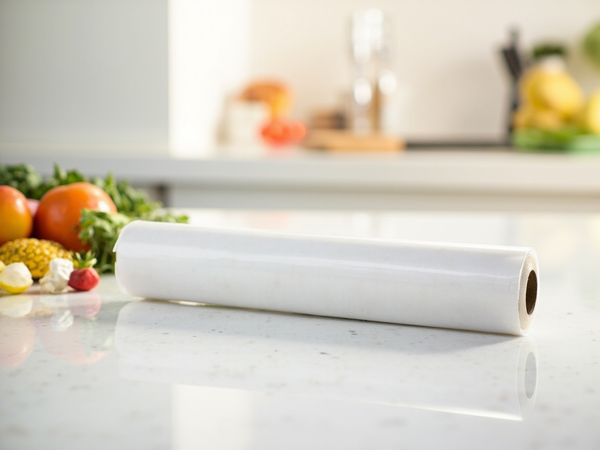
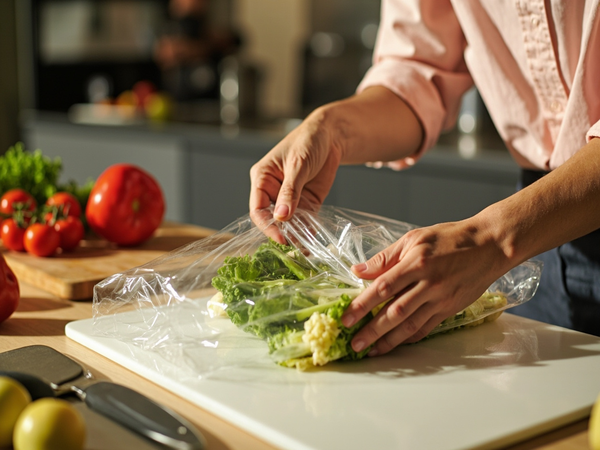
The ziplock bag solves the problem of "I need to take some out and put some back". For one-time covering, PE cling wrap is more economical and clings more closely to the rim. For long-term protection from light, aroma and moisture, aluminum foil remains the better choice. Putting each of them where it actually performs best keeps the advantages of all three, and it avoids asking a ziplock bag to do something it is not built for - for example, holding a pot of hot soup and re-sealing it repeatedly, which almost always ends with the zipper failing early.
For Baodafor, the re-use performance of a ziplock bag has never been a single figure. It is the combined result of structural design, material selection, seal strength and batch consistency. When a customer evaluates whether a ziplock bag suits a re-use scenario, it is worth looking beyond appearance and transparency at the integrity of the sealing teeth, the adhesion of the flange, the resin grade and the feel of the zipper in the hand. These indicators can be confirmed at the sample stage, and they stay stable across series production.