

Categories
Tag: sustainable packaging
Found 64 article(s)
Confectionery Packaging Goes Premium: How Aluminum Foil Protects Shelf Life and Shelf Appeal
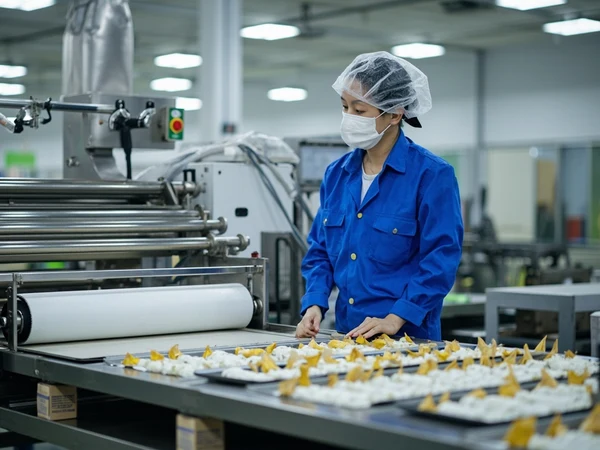
Chocolate and candy aromas are among the most light-sensitive qualities in food: cocoa butter oxidizes under light and oxygen, and a few weeks of retail lighting is enough for the aroma to fade. When confectionery packaging moves premium, the first addition is rarely heavier paper but the invisible aluminium layer: it blocks almost all light, has an extremely low oxygen transmission rate and, once laminated, supports shelf life measured in months or seasons, while the sealing layer closes the pack and the paper layer provides stiffness and printability, blocking both moisture migration and aroma transfer between neighbouring shelves. Bar, inflated pillow, filled and twist-wrapped formats each demand a different structure, while ziplock bags, PE cling wrap and baking paper cover family repacking, short-term protection and gift box dividers. This article walks through light oxidation mechanisms, laminate layers and process zones, per-category division of labour, food contact compliance and export audits, and closes with a selection checklist for buyers.
Baodafor Builds a Closed-Loop Recycling System for Film Trim Waste, Enabling In-Line Reuse from Slitting to Bag Making
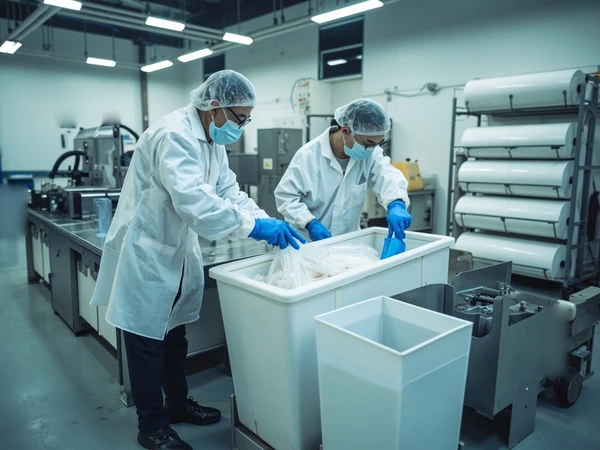
How can film trim from slitting and bag making become a traceable in-process input? This article breaks down where PE trim waste comes from, the three technical barriers that stop it from being reused directly, the four-step sorting, grinding, filtering and blending loop, and how reuse ratios, retained samples and buyer due diligence work in practice.
Flexible Packaging Continues to Replace Rigid Packaging Across the Food Industry
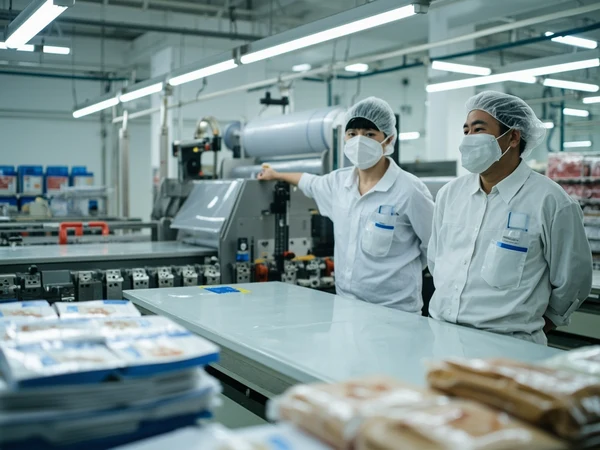
Tin cans, glass jars and metal containers are steadily giving way to stand-up pouches and ziplock bags. This article reviews the shift toward flexible packaging from four angles: weight and logistics cost, shelf display efficiency, barrier performance requirements, and compatibility with automated packing lines.
Baodafor Upgrades Incoming Inspection and Supplier Tiering to Control Packaging Material Quality at the Source
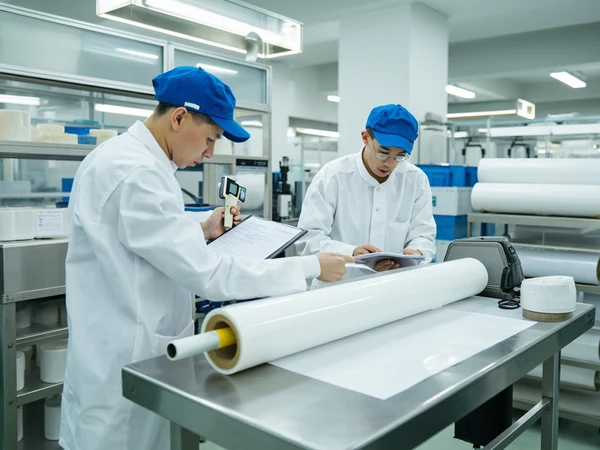
Baodafor upgrades incoming inspection and supplier tiering with melt flow rate and heat-seal strength checks, dynamic supplier scoring, and batch-level traceability for steadier packaging material quality.

Baodafor Introduces Line-Level Energy Efficiency Management with Unit Consumption Monitoring and Continuous Optimization
Baodafor implements line-level energy efficiency management in Xiamen, using unit-consumption monitoring, changeover scheduling optimization, and team assessment to cut energy use per unit and improve batch consistency.
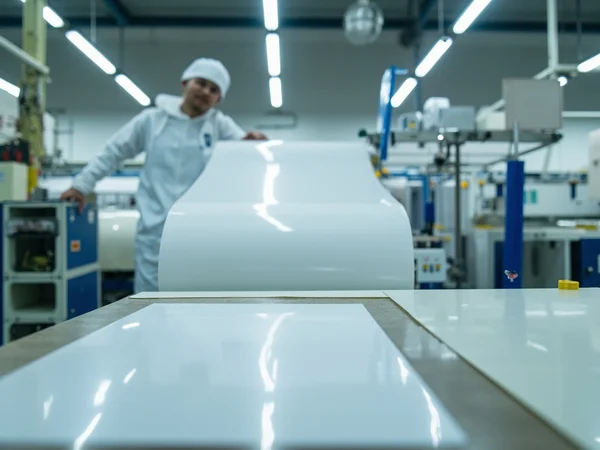
Lightweight Food Packaging Becomes Industry Trend, Leading Companies Race to Develop Plastic-Reducing Materials
Lightweight food packaging is accelerating in China as companies race to develop thinner, lower-gram-weight materials. Baodafor is conducting R&D trials for cling wrap and ziplock bags to balance plastic reduction with performance.
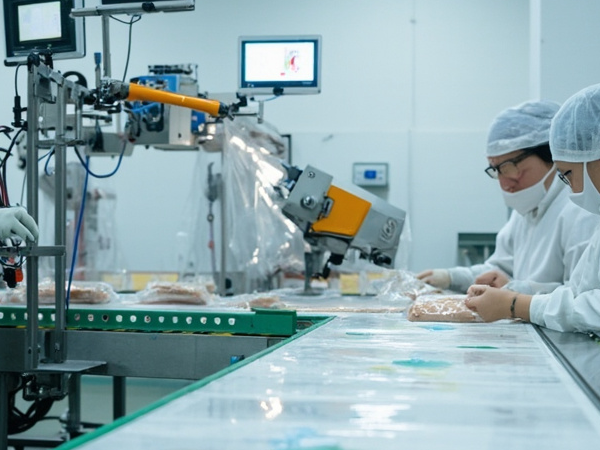
Digital Transformation in Food Packaging Industry Accelerates, Smart Manufacturing Becomes New Competitive Focus
Digital transformation accelerates in the food packaging industry as smart manufacturing becomes a key competitive focus, with enterprises ramping up technology investments.
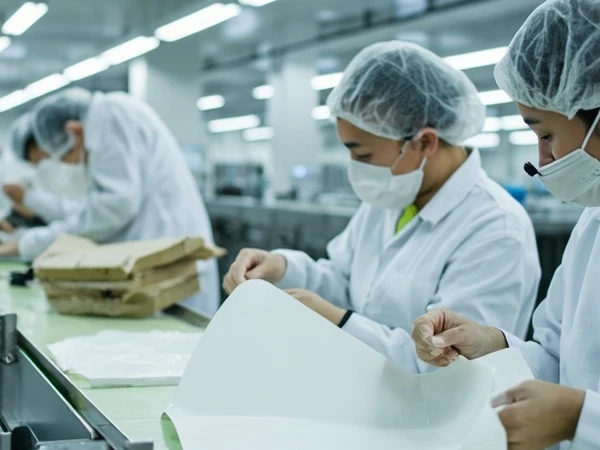
Biodegradable Materials Market in Food Packaging Continues to Expand, Bio-Based Films Become New Investment Hotspot
The biodegradable food packaging materials market shows rapid growth, bio-based films become new investment hotspot, industry analysis of PLA materials' advantages and challenges.
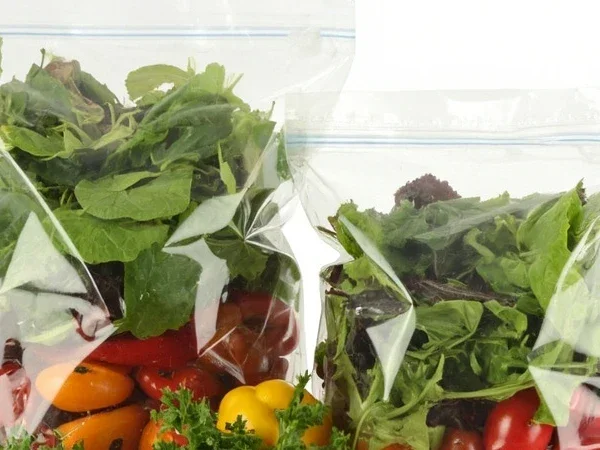
Carbon Footprint Accounting System Accelerates in Food Packaging Industry: How Enterprises Respond to Green Trade Barriers
Against the backdrop of global carbon neutrality goals, the food packaging industry is experiencing a profound green transformation. Carbon footprint accounting has evolved from a "bonus point" to an industry "mandatory requirement."
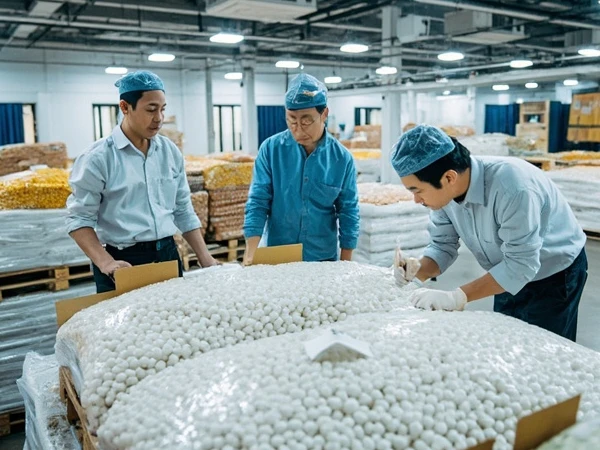
Raw Material Price Volatility Intensifies: How the Food Packaging Industry Responds to Cost Pressures
Raw material price fluctuations bring cost pressures to food packaging enterprises. Leading companies respond through large-scale procurement, product optimization, and new material R&D.




