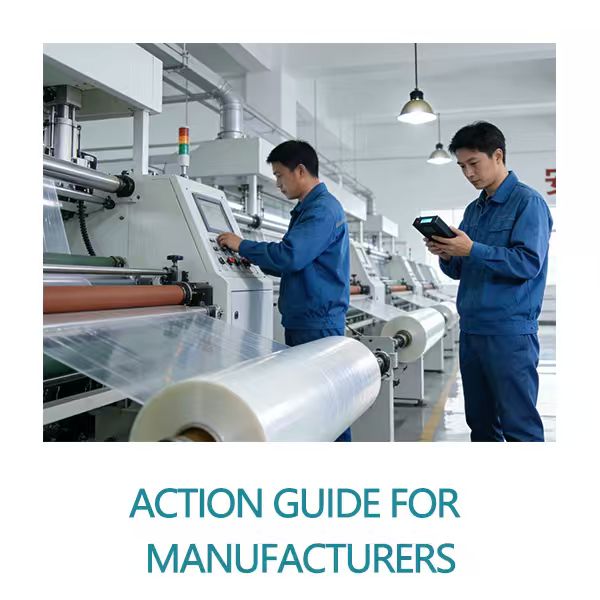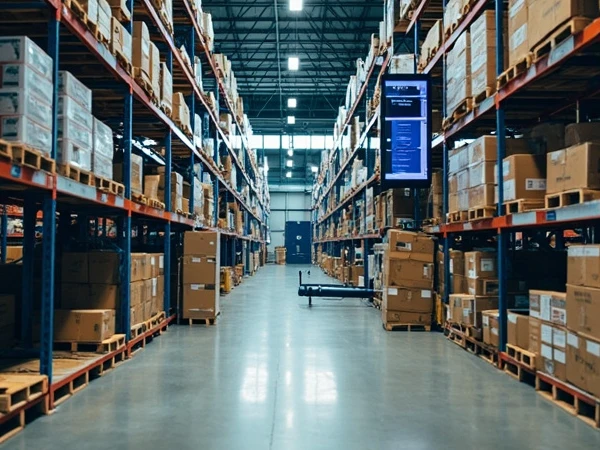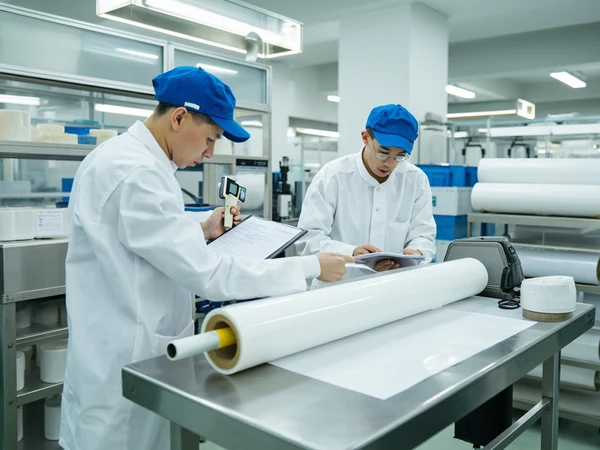
The final quality of food packaging is, in many ways, decided at the moment raw material enters the plant. Blow-molding performance, seal strength, and ink adhesion all depend directly on the batch consistency of incoming resin and auxiliary materials. Baodafor has recently upgraded its incoming inspection procedure at the Xiamen production base and introduced a supplier tiering mechanism, moving the quality gate forward from the end of the line to the two points where it genuinely begins: the supplier and the moment material is received into the warehouse.
The first change is that incoming inspection has moved from simple spot checks toward control of the specific parameters that determine line performance. Previously, inspection relied mainly on visual review and sampled weighing, which could not detect subtle deviations that affect production stability. The revised inspection scope now covers melt flow rate, thickness deviation, haze, and heat-seal strength, all of which relate directly to end use. This allows inspectors to judge, before material is released to the line, whether a given batch suits the current product specification, and reduces batch problems in finished goods caused by raw material fluctuation.
The second change is the move away from a "qualified means received" approach toward dynamic, tiered supplier management. Baodafor now scores suppliers and assigns them to different tiers based on incoming pass rate, batch stability, response speed to quality issues, and the rate at which corrective actions are properly closed. Suppliers with consistent performance receive closer coordination on scheduling and additional technical support; suppliers showing problems are required to submit root cause analysis and improvement plans. Tier status is reviewed regularly rather than fixed once and left unchanged, keeping supplier management tied to actual performance.
The third change is the linking of inspection data with traceability records. Every incoming batch receives a unique identifier at the point of receipt, with inspection data, supplier information, and retained samples associated to it. When a customer raises a question about a finished batch, the production record can be traced in reverse to the corresponding raw material batch and its inspection results. The time needed to locate a problem has shortened from days to a single batch, and this two-way traceable record also provides complete process documentation when a new customer conducts an audit.
In day-to-day operation, moving quality upstream has not complicated the workflow; it has reduced the hours consumed by rework and complaint handling at the back end. Once material batch information is clear, changeover scheduling on the production line can also be adjusted with greater precision, since different material batches are assigned to suitable time windows and consistency between finished batches improves as a result.
Baodafor notes that supplier tiering and incoming inspection will continue to run as a regular operating mechanism, forming a closed loop with the existing in-process and final inspection steps. For a food packaging manufacturer, controlling material consistency at the source is both a commitment to customers and a more reliable safety foundation for the food production stages downstream.