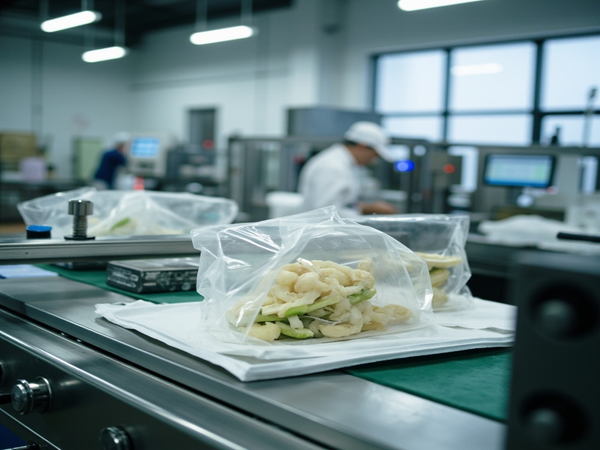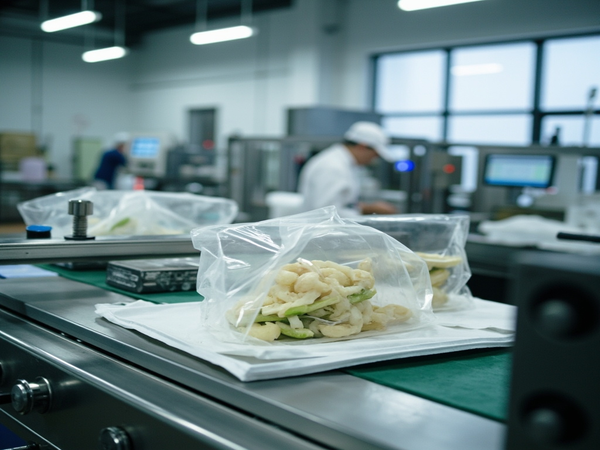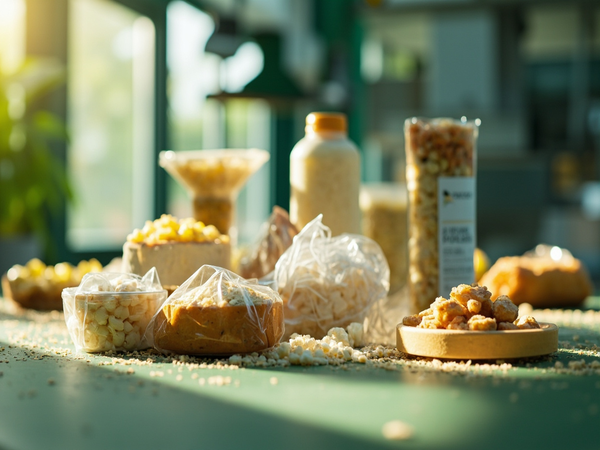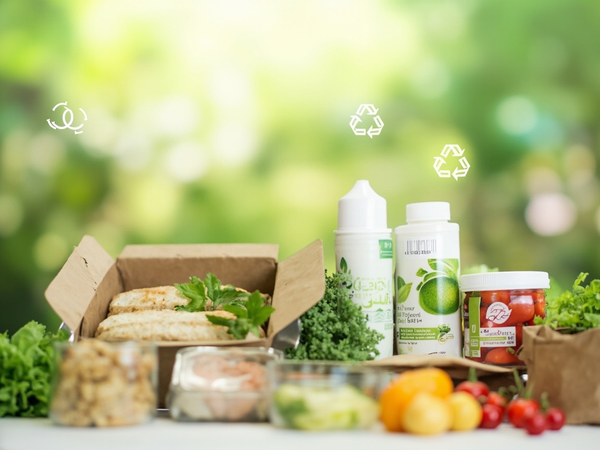
The shift from rigid to flexible packaging continues to reshape the food packaging industry. Rigid formats such as tin cans, glass jars and metal containers once dominated shelves across snacks, grains, condiments and frozen foods, but they are now steadily giving way to flexible formats including stand-up pouches and ziplock bags. The industry has taken to calling this shift "flexible packaging replacing rigid packaging", and three forces sit behind it: cost and weight efficiency, shelf-space utilization, and shelf-life performance.
Cost and logistics come first. Flexible packaging is built mainly from thin film, so its unit weight is clearly lower than glass jars or metal cans. Case fill rates run higher as a result, meaning more product fits into the same volume and both per-unit packaging cost and freight spending are diluted. For food exporters, lower volume weight also affects container utilization and overseas warehouse costs, which makes the economics even more attractive.
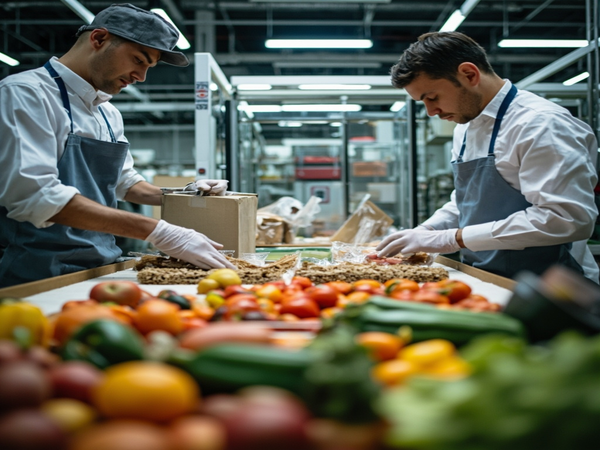
Second is shelf presentation. Stand-up pouches and ziplock bags stand upright, so retailers can use shelf height more effectively and display more units within the same footprint. Barrier layers built into the film structure extend shelf life without adding packaging volume. Ziplock bags with reclosable seals also support repeated opening and storage, and everyday household needs such as leftovers and freezer portioning have become an important source of demand.
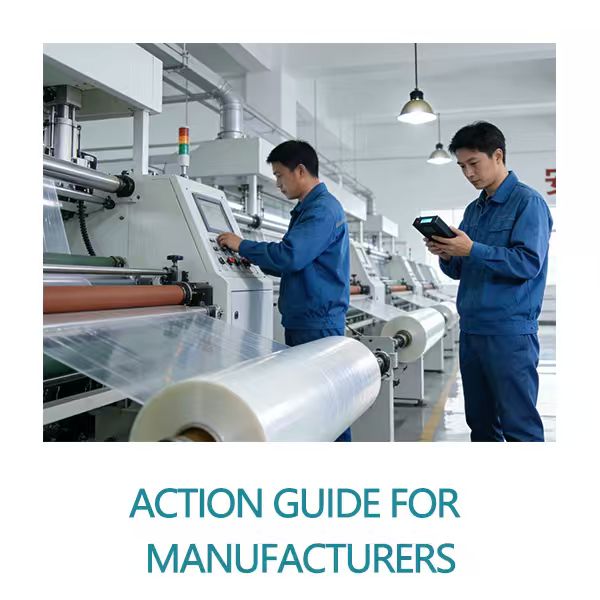
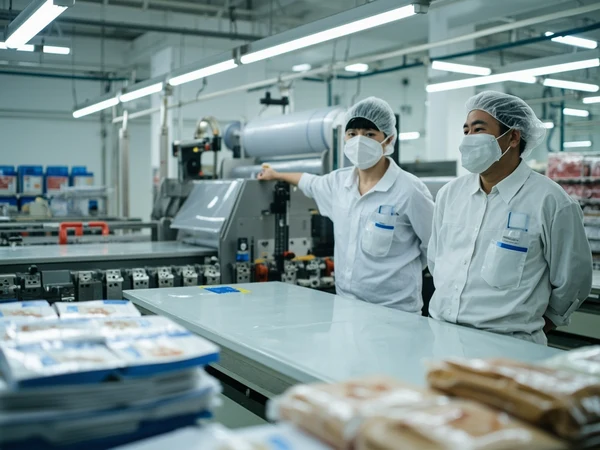
This trend sets clearer technical expectations for material suppliers. Food-contact safety compliance is the entry threshold, while barrier performance has to be matched to each category: light transmission, water vapor transmission rate and seal strength directly determine how long a product stays on the shelf. Materials must also run reliably on automated filling and packing lines, holding steady in web flatness, sealing temperature window and printability so that high-speed production does not produce weak seals or leaks. Industry data show that the use of flexible packaging across food categories continues to expand each year, and suppliers that combine food-grade qualification, dependable delivery and barrier-modification capability are taking a larger share of that demand.
For food packaging companies, the practical path is to track how packaging structures shift within each segment, match material combinations to the right barrier level ahead of demand, and keep production and quality consistency for flexible materials. That is how the real value of this replacement cycle is captured.