The expansion of instant retail and short-chain delivery is reshaping how food packaging is used. Packaging demand, once planned in months or quarters, is now broken into replenishment cycles measured in days and even hours. Platforms such as Meituan Flash Purchase, JD Daojia and Dingdong Maicai have moved the shelves of supermarkets, convenience stores and restaurants directly onto the consumer's phone screen. With front warehouses (qianzhucang) opening densely around high-density residential communities and 30-minute or 60-minute delivery promises, packaging has shifted from static inventory sitting quietly in a warehouse to cargo that is continuously jolted on an electric delivery cart.
Three shifts on the demand side now pass straight through to the packaging operation.
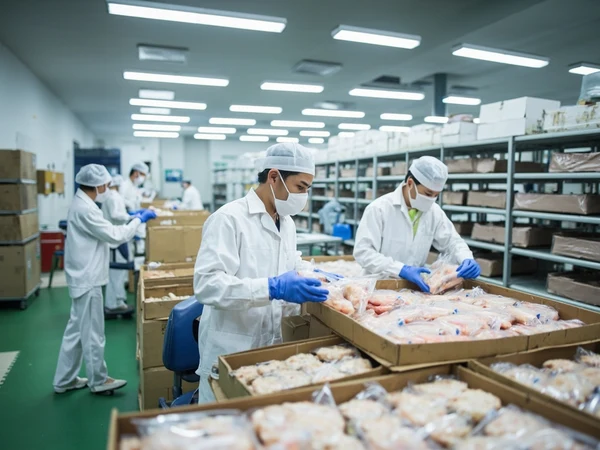
First, the delivery environment has become harsher. Short-chain delivery rarely enjoys the full temperature control of a refrigerated truck, so most orders rely on the package itself for insulation and crush resistance. The high-frequency picking rhythm of a front warehouse means packaging must be ready to use straight out of the box. If a customer receives a torn pack or a loose seal, the food is immediately exposed to contamination and spoilage risk. Seal strength, puncture resistance and batch traceability have therefore become the primary criteria when instant-retail merchants select a packaging supplier, rather than unit price alone.
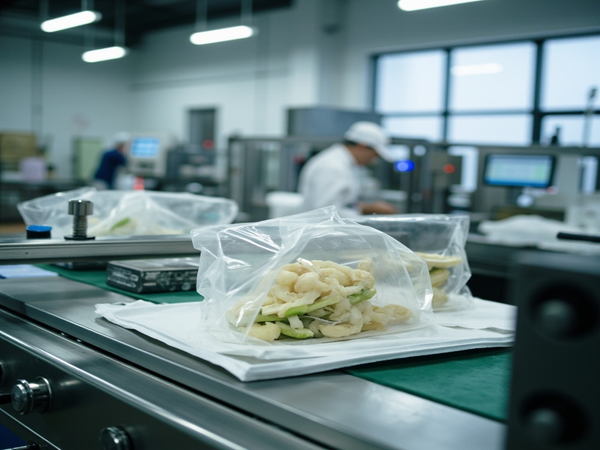
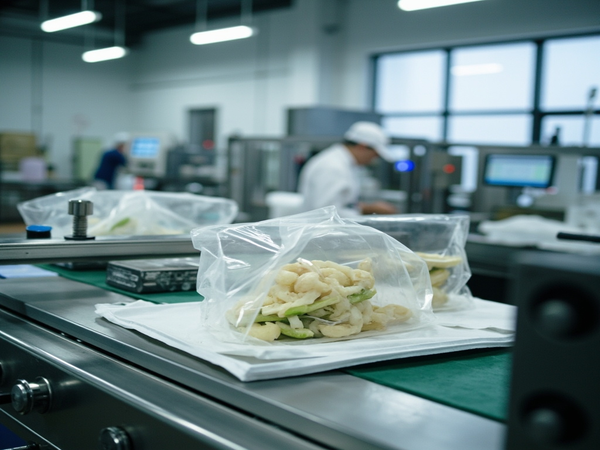
Second, order structures are becoming small and high-frequency. A typical fresh-food order on a platform may contain only three to five items, yet each one has to be picked, weighed, labelled, packed and dispatched independently. To keep the per-order delivery cost down, merchants increasingly ask for lightweight, small-format packaging. Ziplock bags fit the front-warehouse rhythm well because they can be resealed, stand upright on the shelf and stack easily, matching mixed-category picking with repeated handling; cling film plays the role of temporary sealing and protection during in-store portioning and back-kitchen holding.
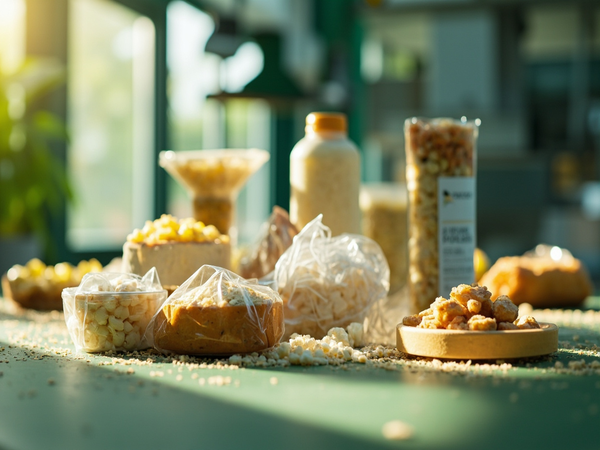
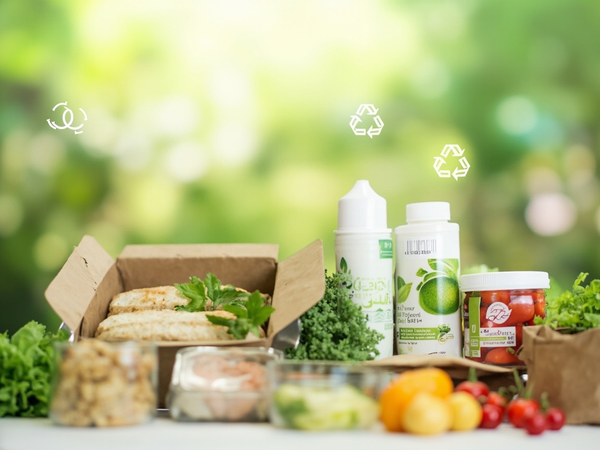
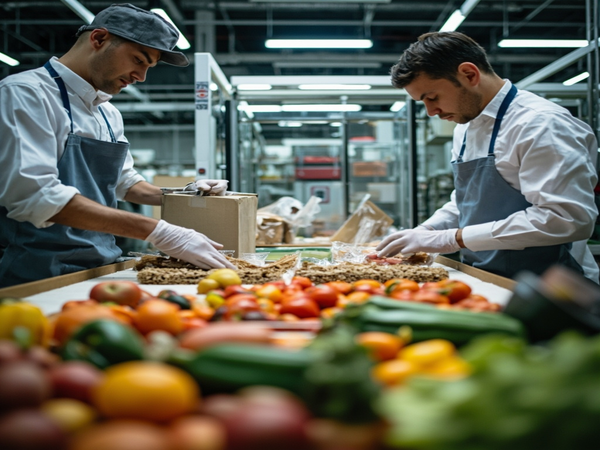
Third, packaging has gained visibility value. On an instant-retail page, packaging is not only a protective layer but also the product's display layer. Fresh produce, bakery items and braised foods increasingly depend on transparent packaging so that shoppers can judge quality through the screen. The high light transmission and openability of ziplock bags are becoming practical variables that influence conversion, not merely technical parameters.
For packaging companies, a change in order structure means a change in service model. Small-batch, high-frequency replenishment demands faster sample response and shorter lead times. Customers such as front warehouses and restaurant chains also ask for more fragmented requirements in dimensions, material combinations and printed information, so one standard specification rarely covers every scenario. At the same time, a delivery network spanning multiple scenarios sets higher expectations for material tolerance and adaptability: the same ziplock bag has to stay rigid in a chilled cabinet without sticking or transferring odour during a short transfer at room temperature.
Looking ahead, as instant retail continues to sink into third- and fourth-tier cities and county markets, the competitive dimension in packaging will shift from unit price to protection performance per unit of logistics cost. Suppliers that can hold a stable balance between small batches, fast response and multi-specification flexibility are the ones positioned to win longer order cycles and steadier capacity utilisation on the short-chain delivery supply chain.