Grain and Rice Packaging Demand Rises: How Ziplock Bags, Aluminum Foil and Cling Film Divide the Work
Grain and rice have become one of the most visibly changing categories in food packaging. Central kitchens and chain restaurants buying raw materials in bulk, grain brands building their own product lines, and the shift of household rice to smaller e-commerce packs are all breaking apart the old one-bag-does-everything approach. Packaging is no longer a container that simply holds the product; it is a set of solutions assigned to three separate stages - storage, transport and retail - each with its own material and its own priority indicators.
Storage: Moisture and Pest Control Come First
In the storage stage, rice and flour have two main enemies: moisture absorption and pests. Ziplock bags carry the bulk of this stage. Large-capacity food-grade ziplock bags from 5kg to 25kg cover different turnover units, and matching the bag dimensions to the warehouse box type reduces breakage and spillage during handling. On the sealing side, double-seal structures suit long-term stacking, while zipper closures allow a pack to be opened and reused in batches.
Selection follows a clear order of priorities: check bag thickness and seal strength first, then price per kilogram. A bag that is too thin tends to leak under stacking pressure; one that is too thick raises unit cost and wastes warehouse space. The tensile strength of the seal area has to withstand the real number of stacked layers, and this point is routinely underestimated.
Transport: Aluminum Foil Handles Long Distances and Harsh Conditions
For inter-regional distribution, export shipments, or logistics through high heat and humidity, aluminum foil earns its place by blocking light, oxygen and moisture at the same time. Baking butter, cheese powder and nut-based grain ingredients packed individually in aluminum foil clearly extend shelf life and prevent flavor transfer. Long-haul transport also depends on outer-carton stacking strength, nitrogen flushing or vacuum packing, and the integrity of the foil seal - moisture ingress and caking during transit often trace back to one corner that was not sealed properly.
Retail: Cling Film and Baking Paper Sit Close to the End User
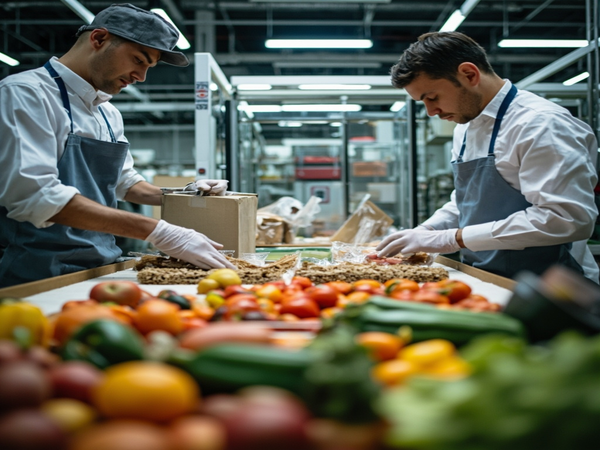
At the retail and household stage, the job of the package changes: keep the product in good condition for a short time after it is opened. Small household and community-group-buy packs of rice are typically covered with PE cling film after opening, which needs good conformity without sticking to the contents during storage. Baking paper is used as interleaving and lining for flour-based premixes and baking ingredients, solving stickiness, grease separation and portioning. Rice packed in-store can also carry properly printed origin, batch and date information, which helps build consumer trust at the shelf.
Three Practical Recommendations for Buyers
First, split the requirement by stage rather than buying everything on one line. Storage and transport emphasize barrier performance and strength, while retail emphasizes the opening experience and shelf presentation - these indicators rarely belong on the same purchase order.
Second, compare price per kilogram only after checking grammage and seal strength. A cheaper-looking thinner bag usually returns its cost through higher breakage rates and after-sales claims.
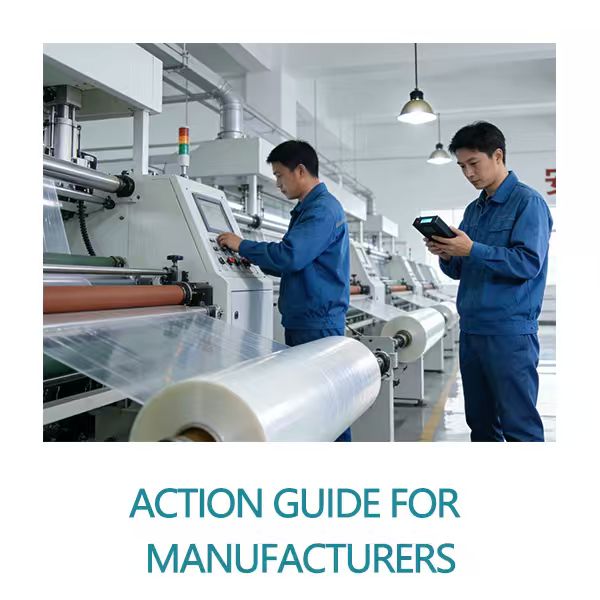
Third, validate on a small batch. Sealing temperature, tension and film speed differ from line to line, so the same specification needs a fresh first-piece check after a changeover.
How This Maps to Baodafor's Product Lines
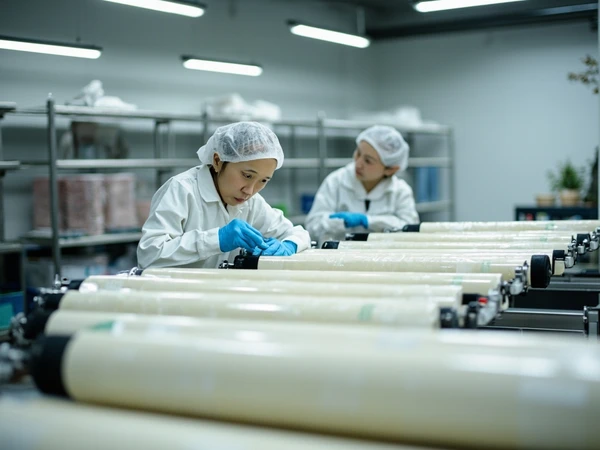
Ziplock bags, cling film, aluminum foil and baking paper together cover the full chain for grain, from warehouse to end user. Ziplock bags serve bulk purchasing and storage turnover, aluminum foil covers long-haul transport and premium ingredient protection, cling film handles short-term freshness after household opening, and baking paper serves as interleaving for baking ingredients. For buyers who need small-batch trials and fine specification adjustments, these four lines can complete sampling and validation within the same coordinated workflow.
There is no universally optimal solution in grain packaging, only combinations that genuinely match the storage, transport and retail stages. Once the stages are separated, material selection shifts from experience-based guessing to verifiable standards.