

Categories
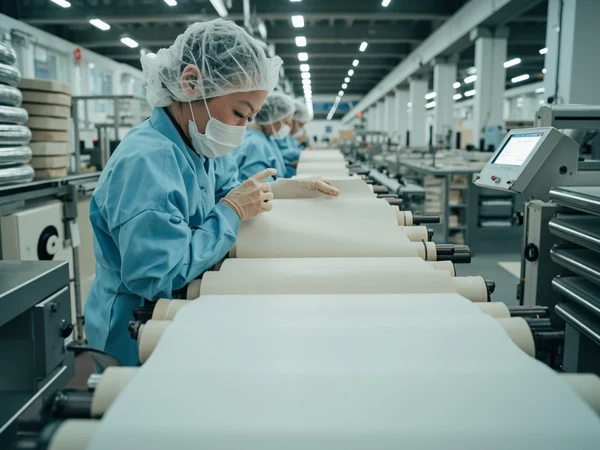
Industrialization of the Baking Supply Chain: Chain Outlets and Central Kitchens Drive Demand for Baking Paper and Aluminum Foil
Chain bakery and central kitchen models push baking production toward industrialization. The release coating and basis-weight consistency of baking paper, the insulation and barrier performance of aluminum foil, and food-contact compliance with batch traceability now define supplier selection.
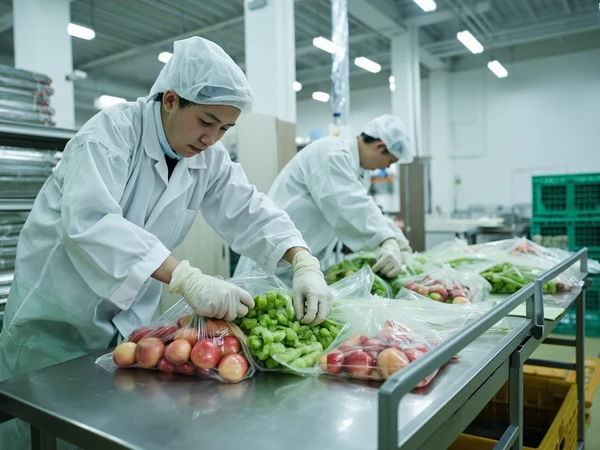
Demand for Post-Harvest Packaging of Fruits and Vegetables Keeps Growing: Pre-Cooling and Cling Wrap Become Key to Reducing Loss
Most fruit and vegetable loss happens within the first hours after harvest. This article analyses the sequence of pre-cooling and packing, common packing methods at production sites, film specification matching by category, food contact safety and how buyers now weigh packaging cost against avoidable loss.
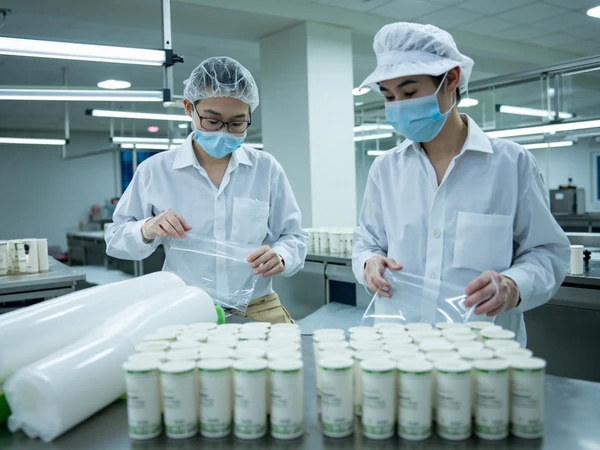
Tea and Coffee Chain Expansion Turns Cup Sealing Films into a New Growth Driver for Food-Grade PE Film
As prepared tea and coffee chains expand, cup sealing films become a mandatory consumable used on every cup. This article analyzes the demand shift, three product requirement lines covering sealing compatibility, durability and food contact safety, supply chain consistency expectations, and the path from commodity film to scenario-defined custom packaging for food-grade PE film suppliers.
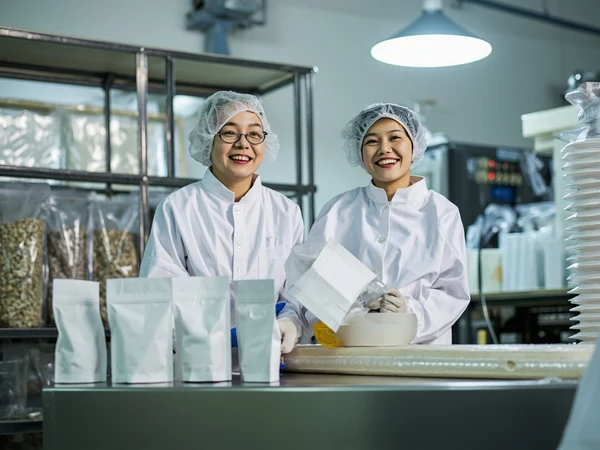
Private Label Expansion in Supermarkets and Membership Stores Drives Demand for Customized High-Barrier Food Packaging
As membership stores and supermarkets expand their private-label ranges, packaging shifts from selling material to co-designing the pack. Nuts and baked goods need foil-based barrier structures, grains and tea rely on high-barrier PE cling film and ziplock bags for moisture and light protection, and freeze-dried or bakery semi-finished products often pair baking paper with foil. Private label also brings factory audits, food-contact material documentation, retention samples and lot traceability into the packaging brief.
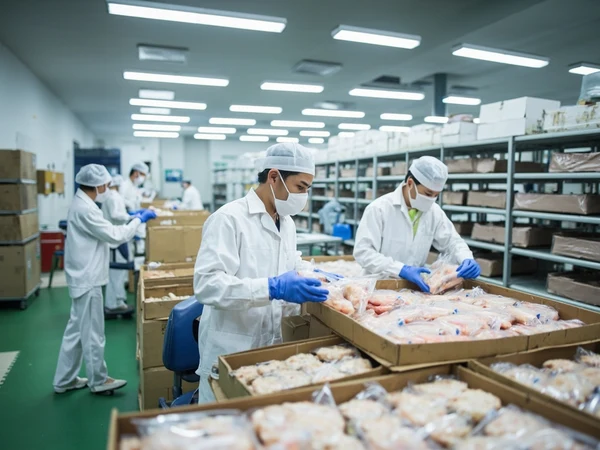
Instant Retail and Short-Chain Delivery Reshape Food Packaging Demand Toward Small-Batch, High-Frequency Orders
Instant retail and short-chain delivery break food packaging demand into replenishment cycles measured in days or even hours. Harsher delivery conditions, smaller and more frequent orders and the display value of packaging are pushing competition from unit price toward protection performance per unit of logistics cost.
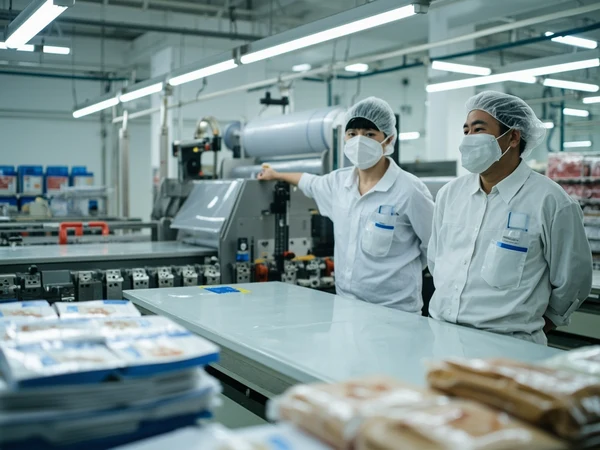
Flexible Packaging Continues to Replace Rigid Packaging Across the Food Industry
Tin cans, glass jars and metal containers are steadily giving way to stand-up pouches and ziplock bags. This article reviews the shift toward flexible packaging from four angles: weight and logistics cost, shelf display efficiency, barrier performance requirements, and compatibility with automated packing lines.
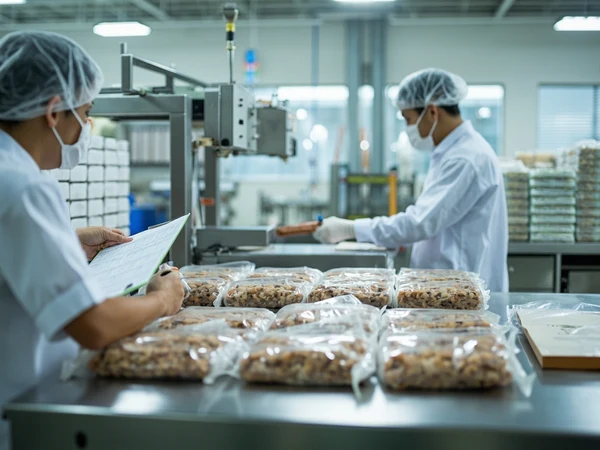
Industrialized Prepared Meal Production Accelerates, Driving Demand for Freshness-Locking Food-Grade Packaging
As prepared-meal capacity expands, packaging shifts from a cost item to the key to freshness. How ziplock bags, PE cling wrap, aluminum foil and baking paper support portioning, sealing and aroma retention, and what consistency and responsiveness upstream suppliers must deliver.
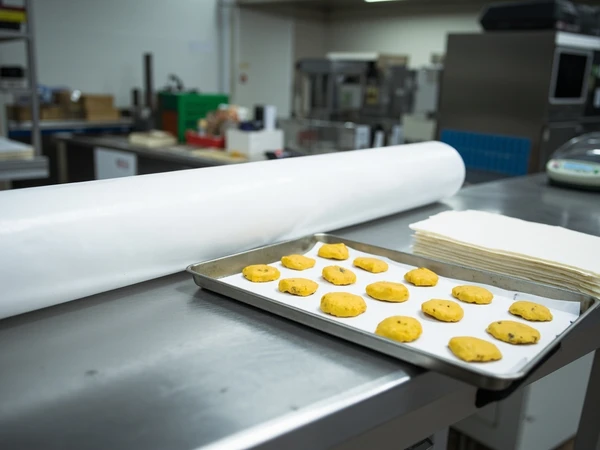
Chain Bakeries and Central Kitchens Drive Standardized Baking Paper Specifications
Chain bakery and central kitchen expansion is turning baking paper from a generic consumable into a line-configured production material. How grammage, silicone coating, and roll width map to tray sizes and output volume, plus usage reserves and cost balance.
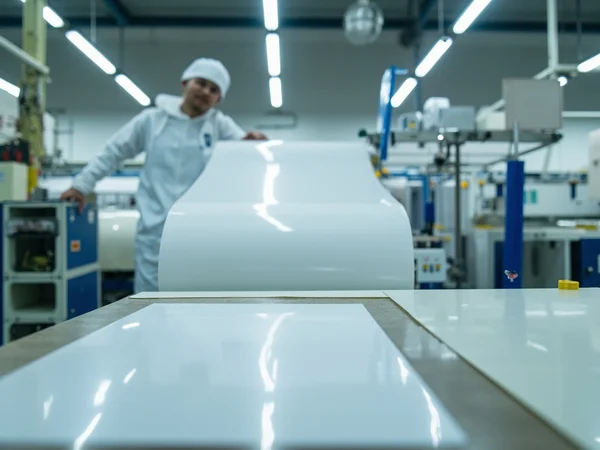
Lightweight Food Packaging Becomes Industry Trend, Leading Companies Race to Develop Plastic-Reducing Materials
Lightweight food packaging is accelerating in China as companies race to develop thinner, lower-gram-weight materials. Baodafor is conducting R&D trials for cling wrap and ziplock bags to balance plastic reduction with performance.
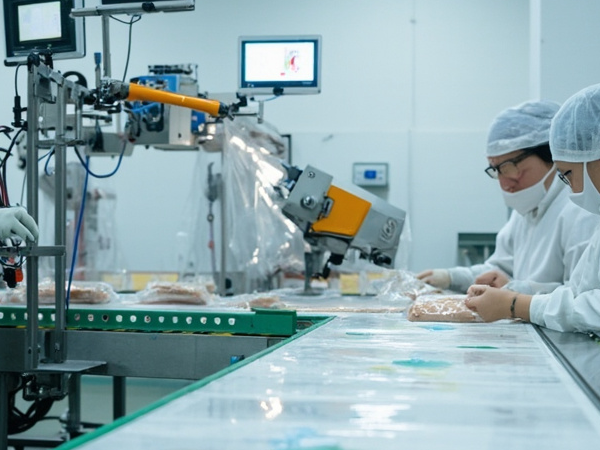
Digital Transformation in Food Packaging Industry Accelerates, Smart Manufacturing Becomes New Competitive Focus
Digital transformation accelerates in the food packaging industry as smart manufacturing becomes a key competitive focus, with enterprises ramping up technology investments.




