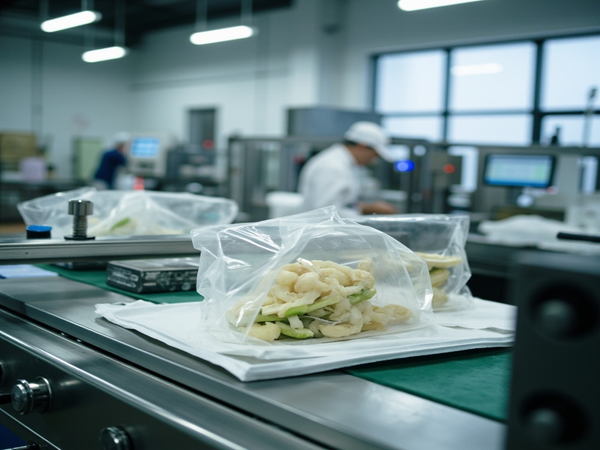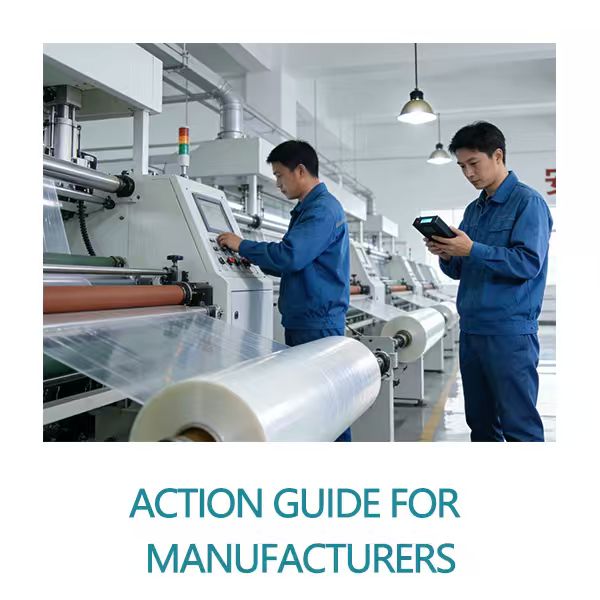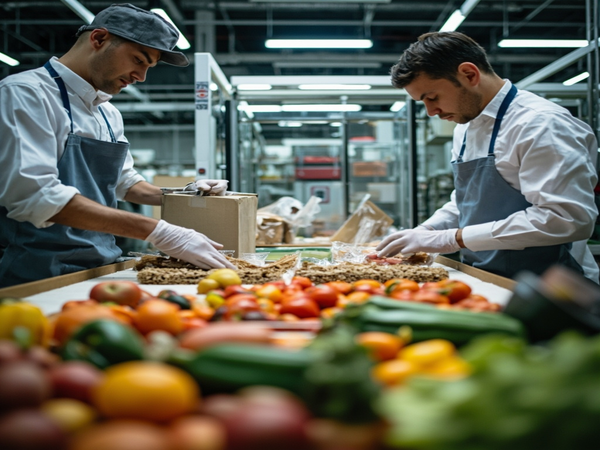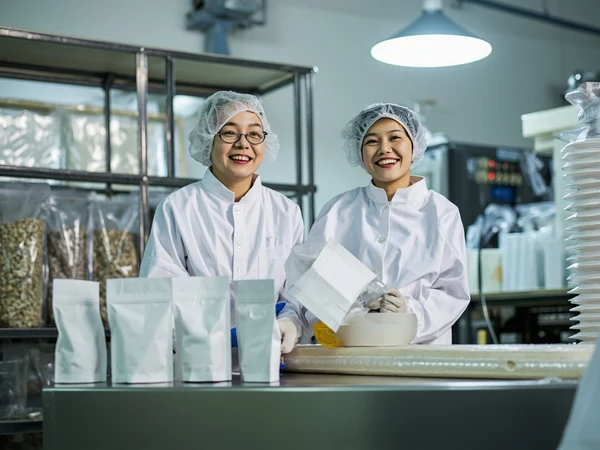
Membership stores and premium supermarkets keep pushing their private-label ranges further into everyday households, and that shift changes the way food packaging is bought. With a private label, the retailer controls the recipe, the pack size and the on-shelf design, so the packaging supplier is no longer simply selling material - it joins the product discussion at an early stage. Bag format, closure method and material performance all have to be settled before the product reaches the shelf.
That translates into very concrete material requirements. Nuts and baked snacks are rich in oils and turn rancid quickly, so aluminium foil and foil-based laminations are used more often for nitrogen-flushed packs that lock in freshness. Grains, tea and powdered seasonings need protection from moisture and light, which puts high-barrier PE cling film and ziplock bags in a stronger position thanks to their light-blocking performance. Freeze-dried foods and bakery semi-finished products care more about keeping moisture out and preventing flavour transfer during low-temperature storage, so a baking-paper-plus-foil combination has become a common configuration. Private-label ranges also refresh faster than national brands: new flavours, new packaging and revised sizes can all arrive within a single quarter, so converters need to handle small batches, multiple sizes and short lead times.
Compliance moves upstream as well. Private-label programmes usually ask suppliers to pass factory audits, provide documentation for food-contact materials, share batch test reports and keep retention samples with traceable lot numbers. In practice, a converter has to do more than run the line - it has to manage material lots, production dates and test records well enough to answer an audit or a spot check with a complete document set. For manufacturers that already have material control, batch traceability and quick changeover in place, private label is not a one-off order but a supply chain that can be reordered again and again.
For a typical private-label buyer, a ziplock bag can be supplied in a range of stand-up and resealable sizes and thicknesses; PE cling wrap can be graded by stretch factor, cling and low-temperature resistance; aluminium foil and baking paper can be matched by grammage, coating and temperature range. What the buyer actually cares about is the feel of the opening, the strength of the seal, the absence of leaks or odour transfer within the shelf life, and whether the same specification can be reproduced on the next reorder.
Private-label programmes are still expanding across membership retail and modern grocery, and competition in the packaging supply chain is moving away from price and capacity alone towards a combination of material control, flexible delivery and batch traceability. For food packaging companies, aligning material selection, compliance documentation and delivery rhythm with the product rhythm of these brands is the most practical way to capture this additional demand.