Prepared meals are quickly moving from an occasional convenience to a regular part of everyday tables. The expansion of chain restaurants, the rising capacity of central kitchens and the steady shift of household cooking toward ready-to-eat options have pushed prepared-meal factories from pure contract manufacturing toward their own scaled production lines. Once output climbs and product lines multiply, packaging stops being a simple cost item: it becomes the factor that decides shelf life, texture and repeat purchase.
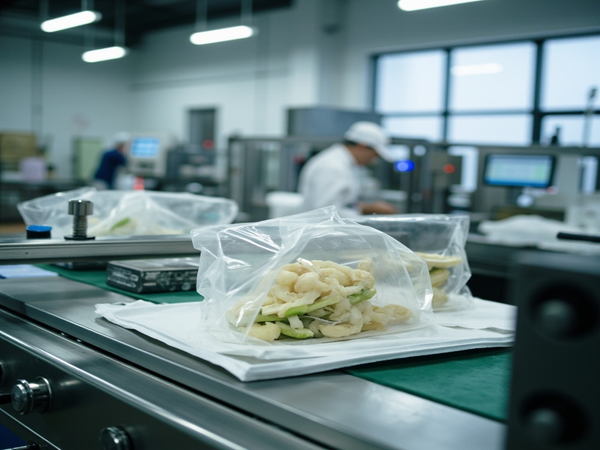
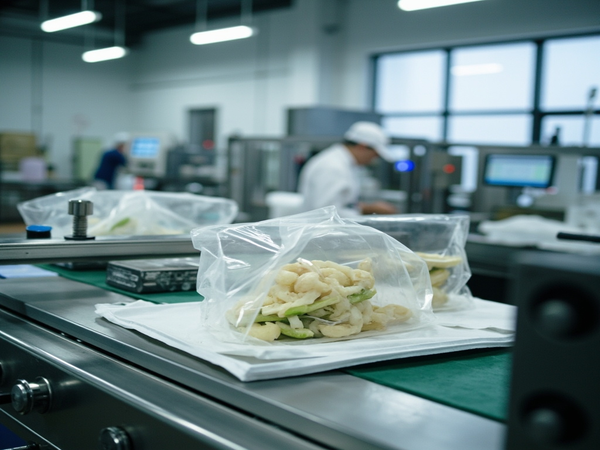
The most visible change is the move toward freshness-locking packaging. Traditional prepared-meal packaging was designed mainly to prevent leaks, but today's requirements are far more specific: blocking oxygen and moisture, preventing flavour transfer and water loss inside the cold cabinet, keeping enough transparency for shoppers to see the product, and coping with microwave, steaming and minus-18 degree freezing conditions. Ziplock bags are used for portioning and secondary sealing, PE cling wrap and sealing film handle covering and heat sealing, while aluminum foil carries barrier and aroma retention duties in baked staple products and lid sealing.
These expectations raise the bar for upstream material suppliers. Food-grade compliance is the baseline, but consistency in thickness, haze and seal strength across batches determines whether an automated packing line can keep running without frequent stoppages. A wide sealing window decides how much time is lost when the line switches specifications, while short lead times on small and mixed orders test flexible scheduling and rapid sampling. Prepared-meal brands launching more than ten new flavours in a single quarter have become normal, which turns supplier responsiveness into a competitive factor in its own right.
For the industry, packaging is increasingly treated as part of the product itself. When the freshness of a meal, the convenience of reheating and the experience of opening the pack directly influence reviews and repeat purchase, the technical value of packaging material is repriced accordingly. Suppliers built around ziplock bags, PE cling wrap, aluminum foil and baking paper are being pulled deeper into product definition and process validation with their customers, which is a sign of the industry's maturation and of a more specialised division of labour along the supply chain.