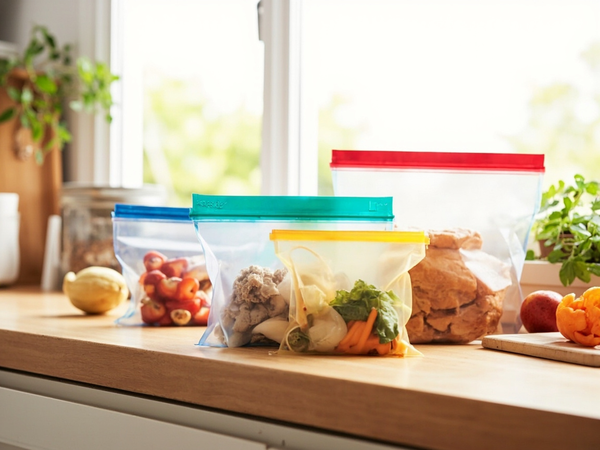
When it comes to home food storage, slider seal bags (also called ziplock or slider lock bags) and regular cling film are the two most common choices. Many shoppers grab them randomly at the supermarket without understanding the real differences in seal reliability, breathability, ideal use cases, and environmental impact. Choosing the right storage solution helps ingredients stay fresh longer and reduces food waste.
What Are Slider Seal Bags? What Is Regular Cling Film?
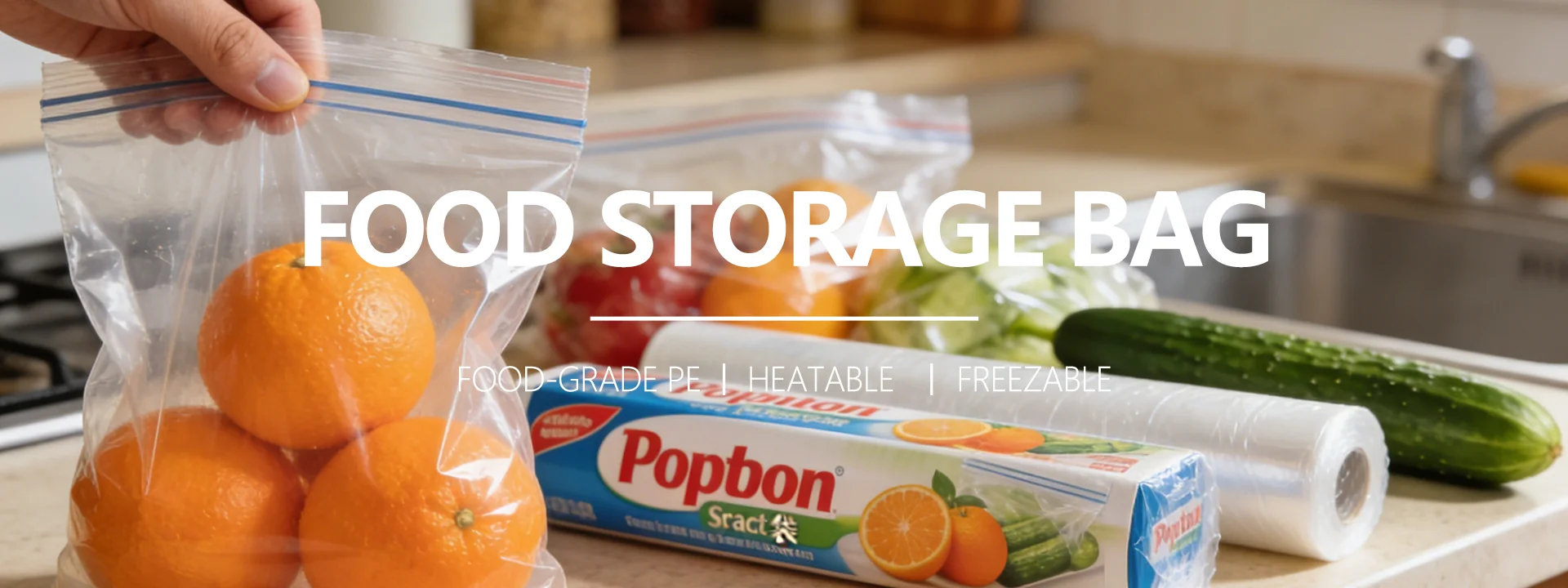
Slider seal bags feature a plastic slider track or interlocking zipper closure that creates an airtight and watertight seal. They are typically made of PE (polyethylene) or composite plastics, with some products certified as food-grade.
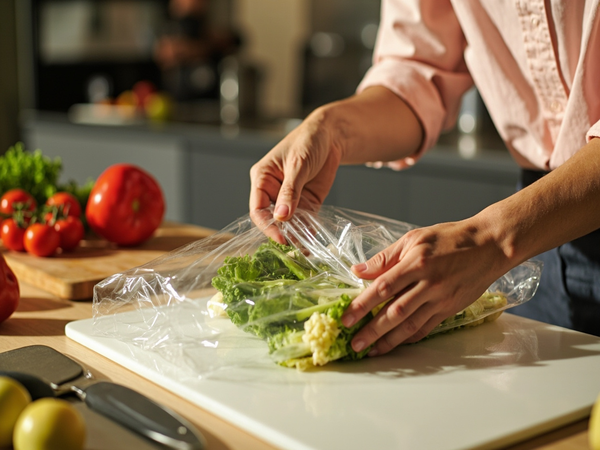
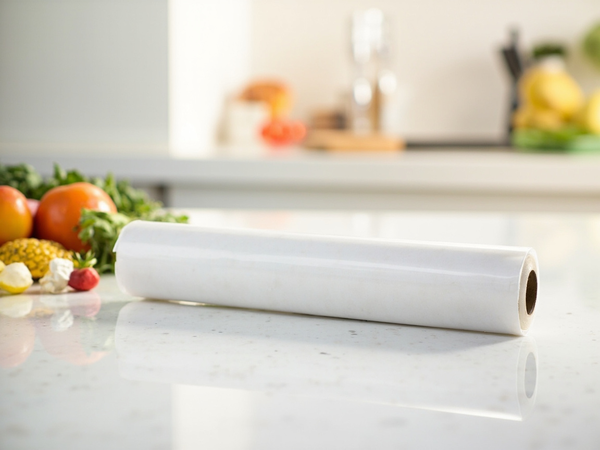
Regular cling film is a thin disposable plastic film that seals by twisting the open end or securing it with a rubber band. Made primarily of LDPE (low-density polyethylene), it is soft, lightweight, and low-cost.
The core differences lie in seal reliability and reusability.
Seal Reliability: Slider Bags Clearly Prevail
In seal reliability tests, the slider mechanism on slider seal bags can withstand significant pulling and shaking without loosening. Even under external pressure, the seal remains secure. Regular cling film twisted closure, however, easily loosens or deforms under pressure, and the sealing effect deteriorates over time.
For long-term refrigeration or freezing of ingredients such as marinated meats or leftover soups, slider seal bags are the more dependable choice. For short-term storage (like cut fruit meant to be eaten the same day) or temporarily covering bowls, regular cling film gets the job done.
Breathability and Preservation: Each Has Its Own Best Use Case
The key to preservation is controlling the exchange of oxygen and moisture. Regular cling film, being thinner, has higher breathability, making it suitable for produce that needs slight breathing — like leafy greens for short-term storage — reducing decay caused by excess humidity.
Slider seal bags have lower overall breathability due to their material and sealing method. They are better suited for ingredients requiring air isolation, such as cut fruits, marinated foods, or high-moisture soups, effectively slowing oxidation and moisture loss.
Pro tip: When storing food in a slider seal bag, expel excess air from the bag before sealing to further improve preservation. For meat being frozen, wrap it in plastic wrap first before placing it in the slider bag for double protection.
Durability and Reuse: Slider Bags Offer Better Value
Thanks to their thicker PE material and structured slider design, slider seal bags can be cleaned and reused many times — typically 10-20 times or more under normal use. Regular cling film is designed for single use; the thin material tears easily with repeated washing, so reusing it is not recommended.
In terms of per-use cost, regular cling film is cheaper initially. However, from a long-term perspective, slider seal bags offer better value, especially for households that frequently portion and store ingredients.
Environmental Considerations: Room for Improvement with Both
From an environmental standpoint, both products are plastic and non-biodegradable. Regular cling film, though thin, generates significant cumulative waste due to single-use habits. Slider seal bags can be reused but require water and detergent for cleaning.
Greener choices: Opt for slider seal bags labeled as recyclable or made with recycled plastic. After use, deposit clean, residue-free slider bags into plastic recycling streams. For regular cling film, use only as needed and avoid mass consumption.
How to Choose Based on the Scenario?
Long-term meat freezing: Slider seal bag — secure seal, leak-proof, freeze-resistant. Short-term fruit refrigeration: Regular cling film — better breathability, prevents excess humidity. Carrying snacks on the go: Slider seal bag — reliable seal, prevents leakage. Temporary bowl covering: Regular cling film — convenient, lightweight, grab-and-use. Marinated food storage: Slider seal bag — airtight, prevents oxidation.
Conclusion
Slider seal bags and regular cling film each have their own strengths and ideal use cases — there is no absolute winner. Understanding their differences and making informed choices based on ingredient type, storage duration, and personal usage habits is the key to genuinely improving daily food preservation quality and reducing unnecessary waste. If you have any food storage tips or experiences to share, feel free to leave a comment below.