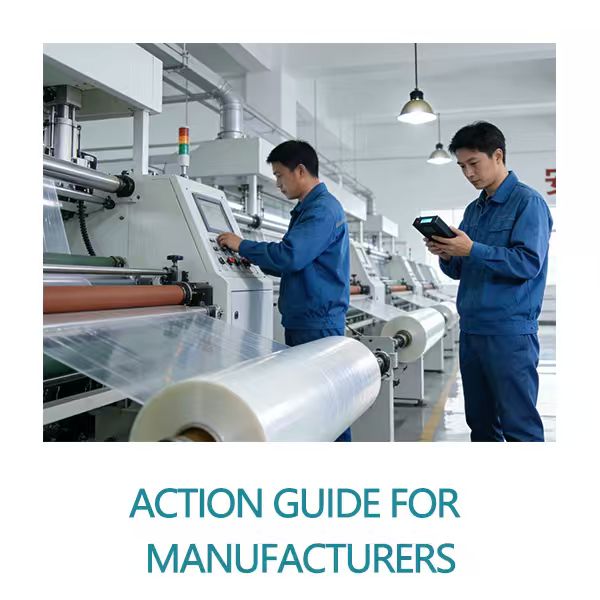
In the delivery chain for food packaging, the last stretch of the journey is the one most easily overlooked. After products leave the line, they are cased, palletized, loaded, driven, unloaded, and finally put away. A good share of delivery disputes and customer complaints trace back not to the product itself, but to the carton and the way it is stacked.
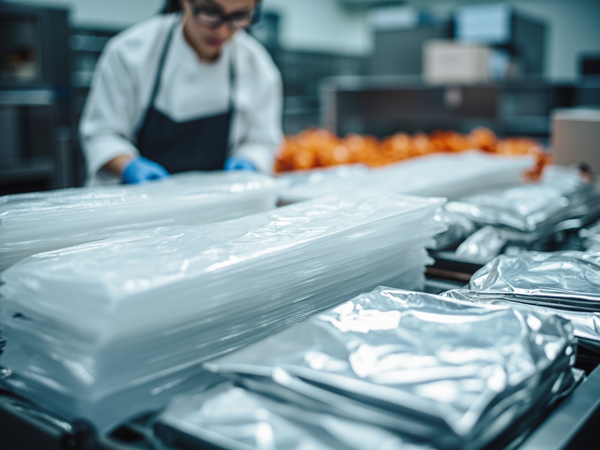
The first point is matching the inner packaging to the carton format. Cling wrap, ziplock bags, aluminum foil, and baking paper differ greatly in form. Roll products are vulnerable to flattening and rolling, small bags shift and collapse at the corners, and heavy foil rolls are easily bruised along the edges. Before casing, the way the product is secured inside the box has to be confirmed, with dividers or cushioning added where necessary so that nothing shifts in transit.
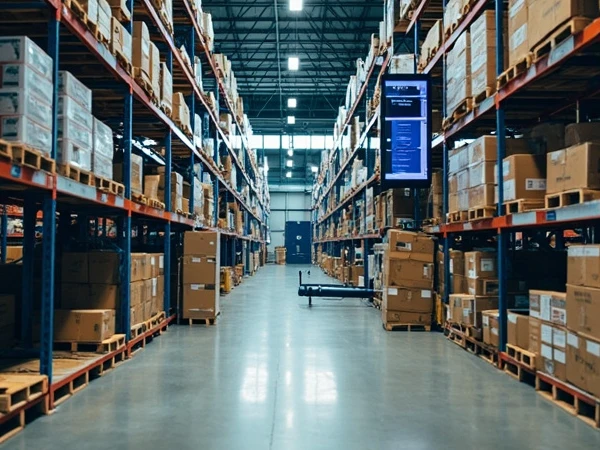
The second point is matching carton compression strength to the stacking pattern. The number of flutes, the box style, and the paper grammage together determine how much load a carton carries, and humidity in the warehouse clearly affects that performance. Differences show up most visibly during the rainy season in southern China and near cold storage. Stacking height has to follow the customer's real storage conditions rather than the rated value printed on the box: rack height, forklift working clearance, and the loading height of the transport vehicle all need to be taken into account.
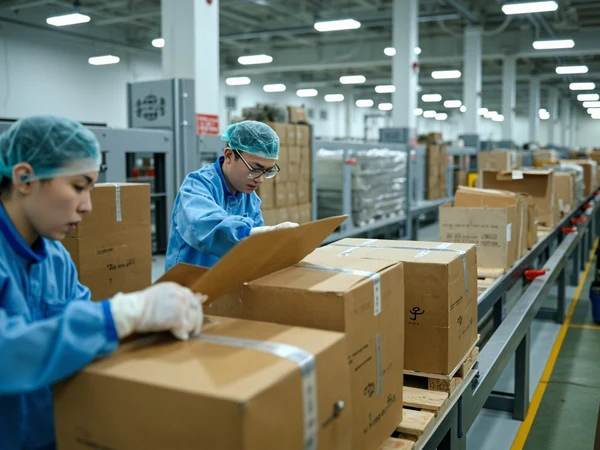
The third point is sealing and labelling discipline. A sealing method has to balance holding strength against the effort of opening the case, and tape, stitching, and clips each suit different situations. Case labels should carry the product name, specification and quantity, batch number, production date, and storage conditions, and these details should match the internal batch traceability records so that the customer can verify the delivery quickly on receipt.
When Baodafor takes on a packaging supply program, the recommendation covers the inner packaging specification and the carton plan as one combination, including flute count, box style, quantity per case, the stacking height limit, and the pallet specification. For customers running conveyor lines or robotic put-away, the case dimensions are adjusted to match the equipment and avoid jams caused by mismatched box formats. A final case-verification step at the end of the packing line checks that the quantity, batch number, and case label agree, which reduces the after-sales cost of shipping errors and transit damage at the source.
Good carton design is not glamorous, but it decides the condition in which products arrive at the customer's warehouse. For food packaging, making this last stretch stable is worth more than adding one more feature to the product itself.