The barrier performance of food packaging is the first technical checkpoint that decides whether a product stays in good condition through its shelf life. Whether a prepared meal still looks fresh several weeks after purchase, whether baked goods stay crisp, or whether frozen meat develops frost and discoloration is often decided less by the recipe than by whether the packaging keeps oxygen, moisture and aromas in the right places. For a food packaging material, "locking in freshness" is never a vague adjective: it is a set of measurable indicators.
The first indicator most people encounter is light transmission and haze, which measures how much incoming light is scattered as it passes through the film and directly determines how crisp the product looks. High transparency lets shoppers see the true colour of the contents and improves shelf appeal, while a whitish film with high haze can make food look stale and may also affect colour registration in printing. For combined requirements that need both product visibility and surface identification, the answer usually lies in surface treatment and structural adjustment rather than in chasing full transparency.
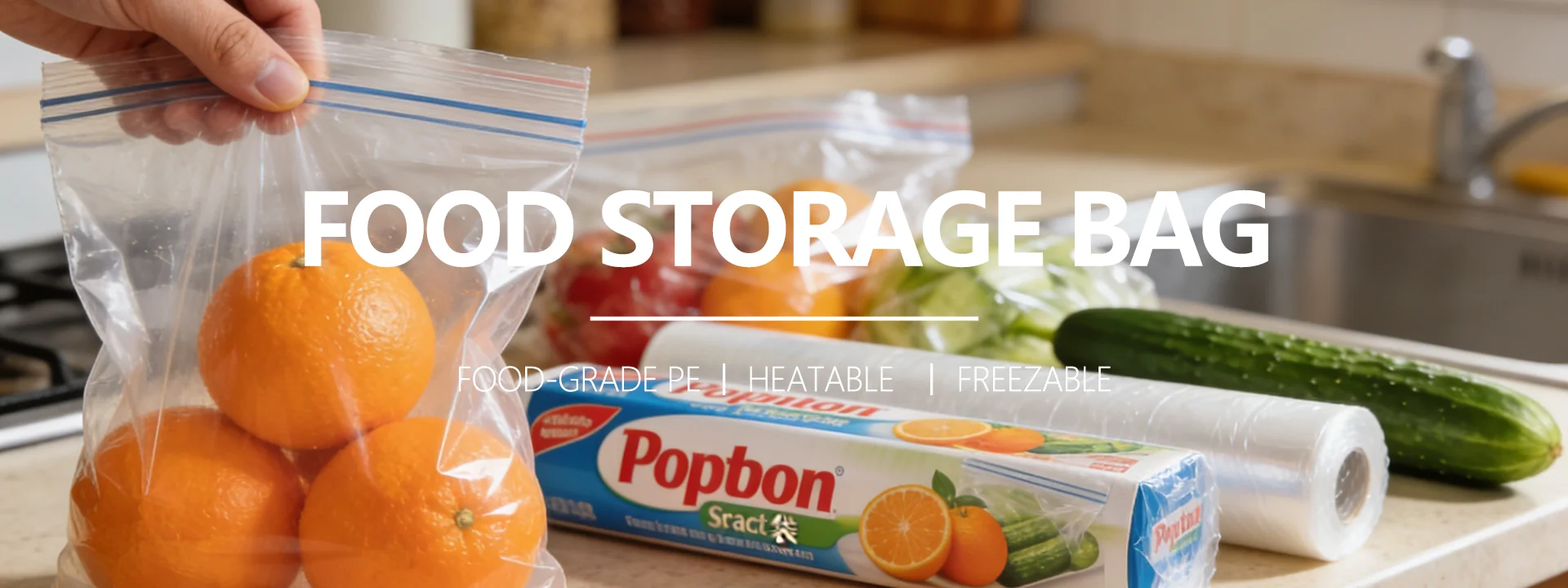
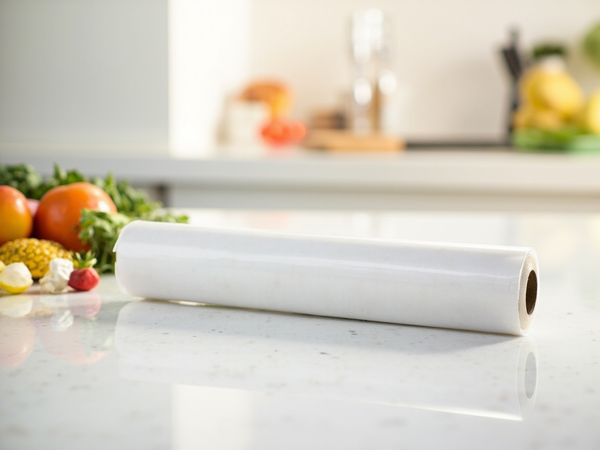
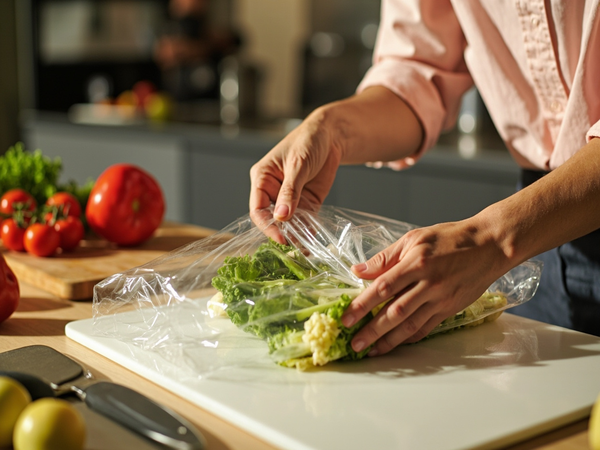
What really decides whether flavours mingle and moisture is lost is water vapour transmission rate and oxygen transmission rate. Hot food packed in a container develops condensation when internal vapour meets a cold surface; chilled meat gradually loses moisture in the cold cabinet and turns pale and dry; baked products need the opposite direction of barrier performance, blocking outside moisture from entering while letting internal vapour escape as far as possible. Aluminum foil delivers the strongest barrier and suits baking and lid-sealing applications. Baking paper relies on coatings for grease and moisture resistance. PE cling wrap balances cost against barrier performance for household and catering portioning, while ziplock bags compromise between barrier strength and the convenience of opening and closing. Tolerances for transmission rates vary widely across storage temperatures and shelf lives.
Seal strength and the sealing window are easy to overlook yet shape the user experience directly. Weak seals let ziplock bags leak and let flavours cross-contaminate; a narrow sealing window forces automated packing lines to re-tune the machine on every specification change, pushing scrap rates up. Judging whether a seal is reliable cannot stop at checking whether the zipper opens smoothly. You also need to know whether the bag stays flat after filling, whether the sealed area resists tearing, and whether performance is consistent across batches, because how the same roll behaves at the start and in the middle decides how stable a production line remains.
Greater thickness and higher grammage are not automatically better either. Thicker ziplock film improves tear resistance, heavier baking paper adds support, and thicker aluminum foil forms more easily, but each of these improvements comes with additional raw material cost and downstream energy use. The best solution is rarely the highest specification; it is the combination that matches product weight, storage temperature, shelf life and downstream process exactly. When Baodafor works with customers on specifications, the first step is usually confirming the food type and storage temperature, then recommending film thickness, baking paper grammage and sealing method accordingly, together with a control approach for batch consistency, so that the gap between workable and genuinely good does not appear.
The technical content of packaging material ultimately lands on shelf life and on the consumer's experience. Only by mapping light transmission, water vapour transmission rate and seal strength to real usage scenarios can cost, efficiency and freshness be balanced sensibly. In food packaging, genuine professionalism usually shows up as these invisible parameters being calculated precisely.