In the food packaging industry, the speed of new product sampling directly affects how quickly customer projects move forward. Baodafor has recently restructured its sample trial and validation workflow, consolidating sampling steps that were previously scattered across multiple stages into a standardized operating procedure. The cycle from requirement confirmation to sample delivery is now noticeably shorter.
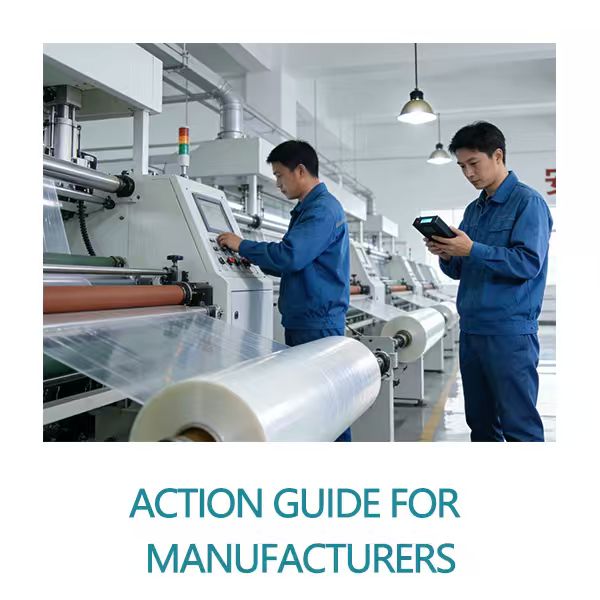
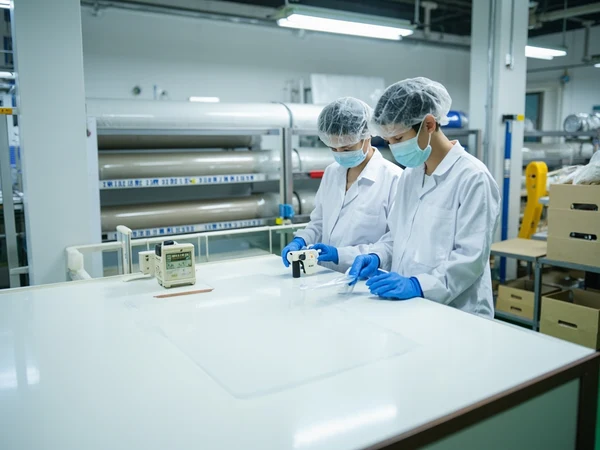
The new sampling process starts from the customer's requirement description. The technical team first confirms the key parameters - food contact scenario, barrier requirements, sealing method, and applicable packaging format - and then matches a material formulation and specification plan accordingly, which avoids repeated revisions and the time they consume. Once the plan is fixed, the sampling task enters a unified trial queue, and dedicated staff perform in-process checks on thickness, haze, and seal strength at the same time. The inspection data is compiled into a specification confirmation sheet that travels with the sample when it is handed to the customer.
In terms of handover, the sampling task moves into a feedback collection stage once the sample is delivered. The technical team records customer feedback, revises the parameters, and arranges a second round of sampling quickly, so customers do not have to describe their needs again from scratch. At the same time, the team turns the trial parameters of commonly used specifications into standard templates, so routine specifications can call on existing solutions directly and further cut the initial communication cost.
During the same period, Baodafor reorganized the way trial parameters are recorded and archived. Every sampling run now generates a matching data sheet covering film thickness, haze value, seal strength, and the equipment settings used on that run, and the sheets are archived together with the corresponding sample number. Internal reviewers can therefore trace a finished sample back to the exact material batch and process parameters that produced it, which makes it much easier to reproduce a result when a customer asks for a revised sample with only a small parameter change.
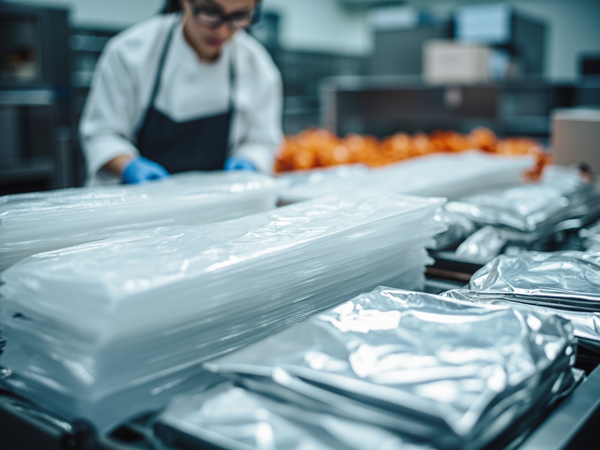
Based on the archived records, the team also identified the specifications that customers request most often, such as standard cling wrap thicknesses for retail display and default ziplock bag sizes for catering use. These high-frequency specifications have been turned into reusable trial templates, so a repeat order no longer needs to restart from a blank record. For custom requirements, the first-round template is adapted rather than rebuilt, which shortens the preparation work before the sample even enters the queue.
The sampling team works closely with production planning, so sample trials are scheduled into the same weekly plan as regular production runs. This prevents sample work from competing with confirmed order schedules for machine time, and it also gives the sales team a clearer answer on when a customer can expect the first physical sample. Feedback from customers is collected through a unified return sheet, and every comment is translated into a parameter change before the second trial is queued, so the second round is usually closer to the final answer.
Since the new workflow was put into operation, the stability of sample delivery has improved noticeably, and customers receive more complete specification feedback at the early stage of their projects. Baodafor will continue to accumulate sampling data into a searchable specification library, keeping new product development response at a consistently high level.