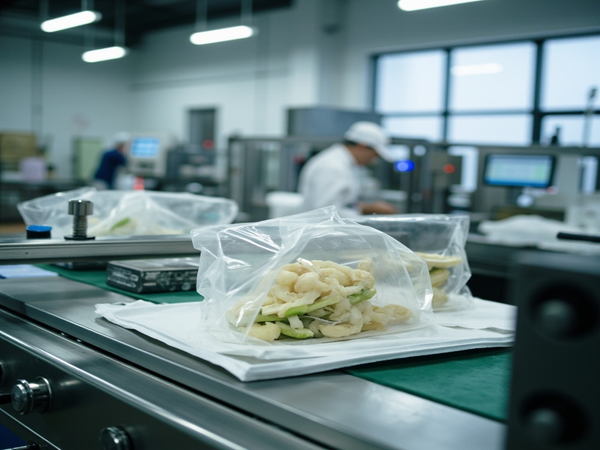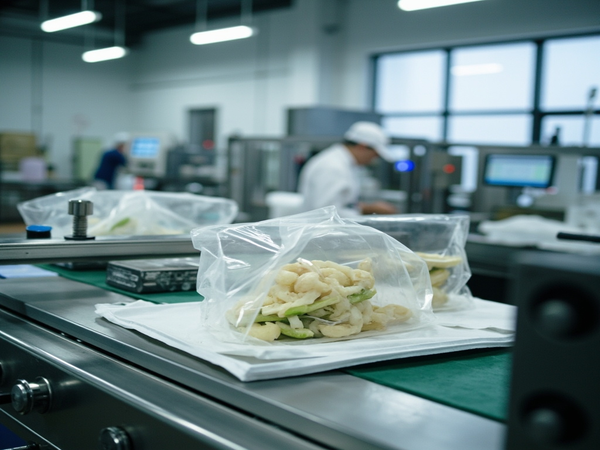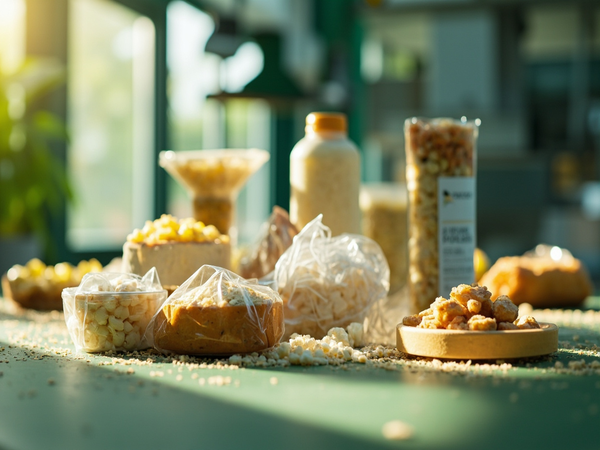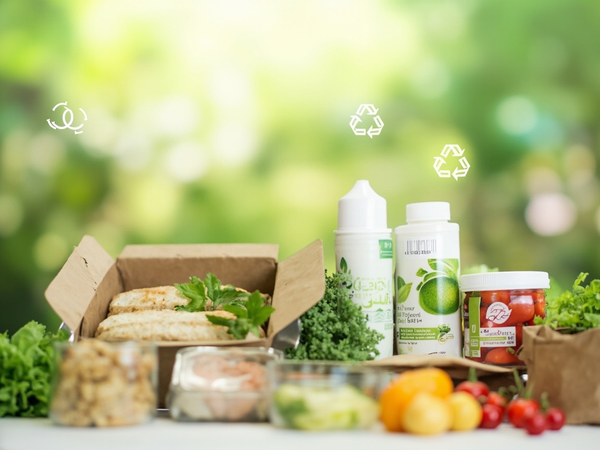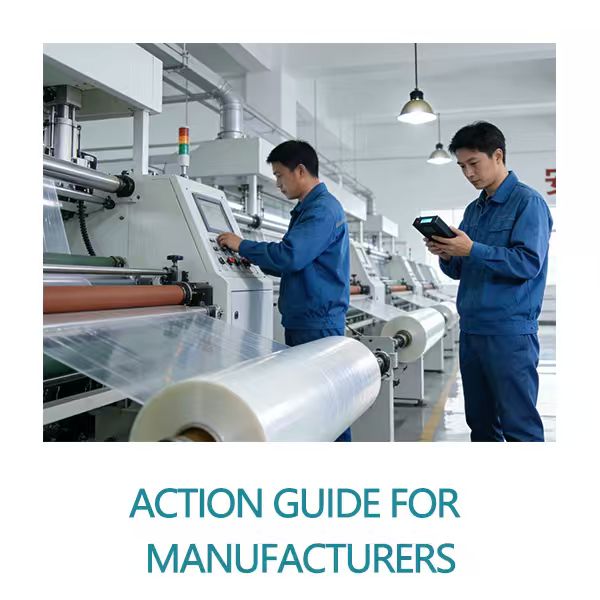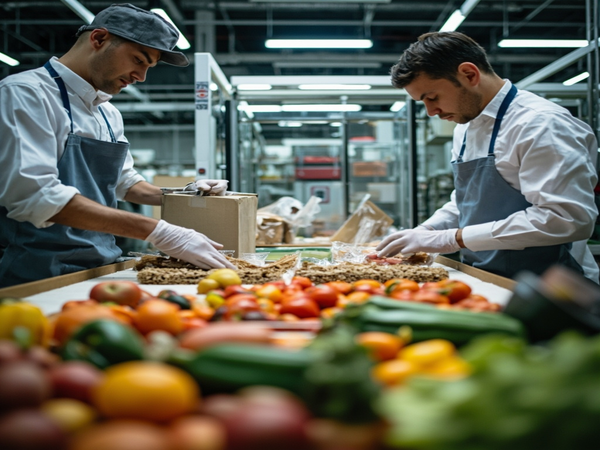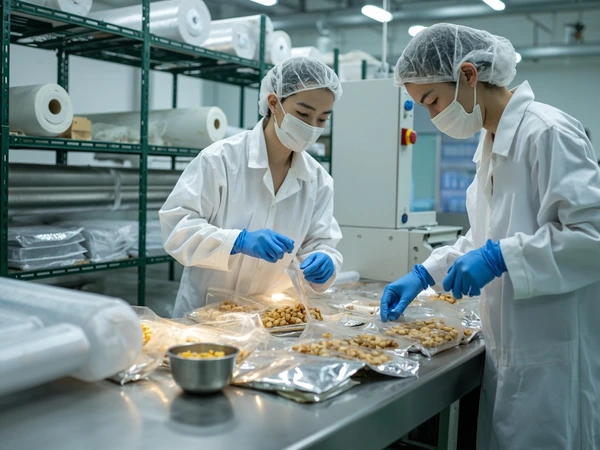
Nuts and roasted snacks are typical fat-based foods. Their value on the shelf depends almost entirely on how fresh they still taste, and flavor loss is driven by oxidation: oxygen enters the pack and reacts with unsaturated fatty acids, producing aldehydes and other off-odour compounds while the surface darkens and the texture turns rancid. As sales channels shift from bulk market stalls and regional distributors toward supermarket systems, e-commerce campaign peaks and discount snack chains, packaging has moved from a labelling and cost item to the process that actually determines shelf life. Demand is now rising along three material lines at the same time: aluminum foil, ziplock bags and baking paper.
One. The same product, different channels, completely different pack formats
At the origin roasting plant, bulk and case shipments dominate, so large aluminum-laminated bags or woven bag liners are common, and cost and filling speed decide the choice. Once a brand moves into supermarkets and online channels, small single-serve packs become standard: one pack, one seal, one label, with nitrogen flush or high-barrier construction used to extend the flavour window after opening. Discount snack chains work with loose-weight dispensing and in-store roasting, so packaging is mostly baking paper liners for release and anti-stick performance plus ziplock bags for portioning on demand, where the priority is counter efficiency rather than long shelf life. Seasonal gift boxes then shift the emphasis to structural rigidity and moisture protection.
Two. The economics of oxidation make packaging the only controllable variable
Nuts processors fear two things above all else in the shelf-life window: flavour decay that suppresses repeat purchase, and end-of-life returns that hit the bottom line directly. Once oxidation starts, product quality on the shelf cannot be reversed. Of the four levers available - drying, nitrogen flushing, high barrier and light protection - the first two depend on process capability, while the last two are decided almost entirely by the packaging material itself. More and more brand owners therefore treat "how long can this material hold flavour" as the first screening question when selecting a supplier, ahead of unit price.
Three. Three materials, three typical application scenarios
Aluminum foil and foil-laminated structures are the workhorse barrier solution for nuts. The foil layer has a very low pinhole count and far lower water vapour and oxygen transmission rates than ordinary plastics, so one structure solves oxidation, light protection and moisture control at the same time, which makes it the standard choice for nitrogen-flushed packs and for long-life roasted nut products. Ziplock bags win on flexibility instead: sizes are quick to change, sealing is reliable, and the consumer can re-portion at home. When they are used for high-fat, long-shelf-life products, seal strength and the reliability of the double-track seal deserve close attention, because oil leakage and odour transfer will otherwise hit the product quality directly. Baking paper plays a supporting role in nut applications as a liner and oil barrier: it keeps nuts from touching trays or can surfaces, prevents oily crumbs from sticking to the base, and supports clean handling on the counter.
Four. What this shift means for the packaging supply chain
First, specification fragmentation. The more channels a brand runs, the more bag types, dimensions and weight combinations it needs, so a single roll supplier cannot cover everything in one order, and suppliers must handle multi-specification slitting with fast response on small batches. Second, batch consistency. Coating uniformity, roll flatness and slitting precision directly determine seal strength and how reliably a nitrogen-flushed pack stays sealed, and batch variation is amplified into consumer complaints once the product reaches the shelf. Third, food contact compliance and traceability. Nuts are high-fat foods, so migration and odour control requirements for the pack are stricter, and raw material origin and retained samples must be traceable to a specific production line. Fourth, timing. Seasonal peaks and campaign stock-up concentrate within a few weeks, so roll inventory and slitting schedules must be aligned well in advance; late top-ups rarely arrive in time.
Five. Three things procurement teams can do now
Map specifications backwards from the sales channel rather than picking a material first and finding a use for it later, and put channel, shelf life and pack structure into one table. Establish batch-by-batch flavour comparison and retained samples so each material batch corresponds to a recorded tasting conclusion, turning a subjective argument about taste into traceable data. And include packaging cost inside the cost of shelf life rather than comparing unit prices alone, because only that comparison reflects the real return.
Looking at the wider trend, competition in the nut and snack industry is shifting from "who has better raw materials" to "who can deliver stable flavour to the consumer". Along that chain, aluminum foil handles barrier and light protection, ziplock bags handle portioning and locking in freshness, and baking paper handles oil separation and lining. Used together in the right combination, they are what a real freshness packaging solution looks like.