Pet food has become one of the fastest-growing segments in food packaging. Fresh meat recipes, freeze-dried treats and baked kibble keep adding capacity, online channels break bulk packs into household portions, and the spread of pet parenting has turned "how do I store the rest after opening" into a routine question. The packaging requirements that come out of this are visibly different from those of everyday human food.
-
Why pet food packaging is harder than ordinary food packaging. Pet snacks typically carry high oil content and a strong animal odor, and freeze-dried products are extremely sensitive to moisture. Bulk kibble needs long-term protection against oxygen and water vapor transmission, while fresh and wet food with high moisture must be sealed promptly after opening. Miss any one of these points and the consequence is immediate: clumping, loss of aroma, or reduced palatability, and pets are far fussier about taste than people are.
-
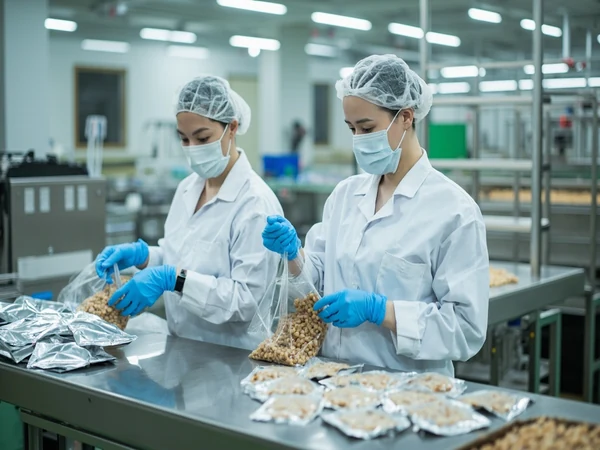
Where aluminum foil, ziplock bags and cling wrap each fit. Aluminum foil is used for small-format pouches and liners for freeze-dried and baked treats, blocking light, limiting oxygen ingress and holding aroma in until the bag is opened. Ziplock bags carry freeze-dried granules, dental chews and portioned kibble; the resealable closure keeps the film in close contact with the product, which suits the scoop-and-close rhythm of daily feeding. PE cling wrap covers the household side: sealing an opened bag, keeping dust and stray odors out, and letting a large bag stay usable after it has been decanted.
-
Four points to check when specifying a package. First, material compliance for food-contact use, and specifically whether the film is suitable for high-oil food. Second, barrier performance, because oxygen transmission rate and water vapor transmission rate describe shelf life far better than thickness does. Third, the closure format: products opened repeatedly need a resealable seal or a structure with a venting feature. Fourth, size and filling efficiency, as bag width must match the filling port and the feeding bowl, while opening width decides whether kibble pours cleanly.
-
Two recommendations for buyers and supply chain teams. Pet food packaging is more sensitive to lot-to-lot variation than human food packaging, so treat barrier performance and seal strength as standard acceptance items rather than spot checks. At the same time, keep small, medium and large specifications in parallel; a multi-size portfolio covers different channels and reduces breakage and waste during decanting.
Pet food packaging is settling into a selection logic of its own: aluminum foil locks in freshness and aroma, ziplock bags handle portioning and repeated access, and cling wrap manages daily storage after opening. The more premium the pet food segment becomes, the clearer that division of labor becomes.