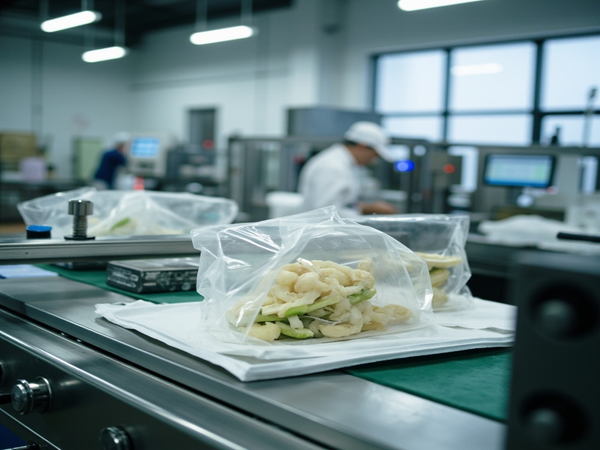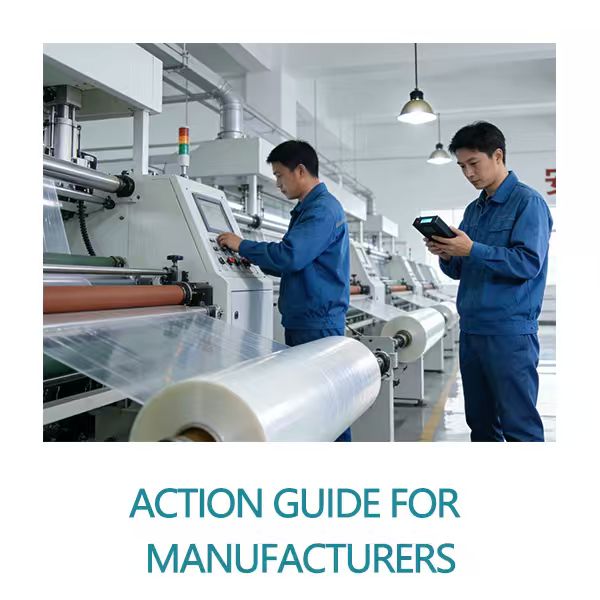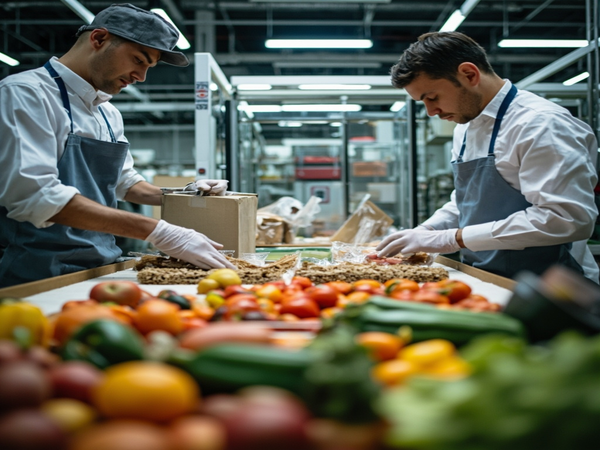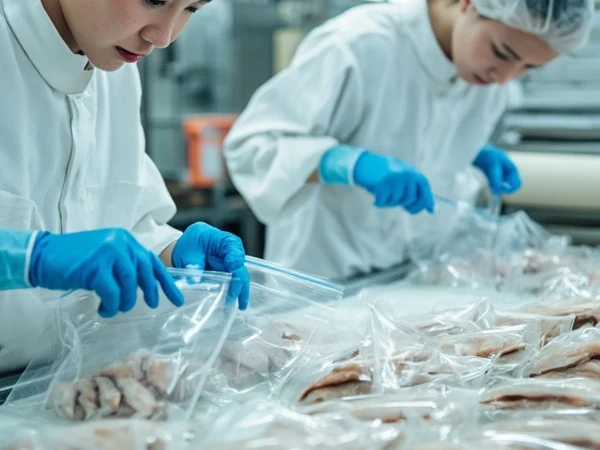
Live holding, gutting, portioning, grading, ice glazing, blast freezing and cold storage now sit on one cold chain. Once those steps are pulled into a single chain, packaging stops being an afterthought and becomes the step that decides yield, sale price and whether an export order can actually be filled. As aquatic product processing volumes and cold chain capacity expand together, the packaging station in the processing plant has to meet tougher conditions: film that stays tough at sub-zero temperatures, containment of drip and juice, and separation of odors between batches.
1. Three real problems in aquatic packaging
Leakage and weight loss. Fish, shellfish and further-processed items keep releasing juice during holding and cutting. If seal strength and film thickness do not keep up, that juice escapes in the cold store and in transit, which means lost weight for the product and contamination risk for the carton and the neighbouring goods in the same container.
Odor transfer. The odor compounds in fish and shrimp are strong and cling to the inside of the package. When a cold store holds both sauced products and non-sauced products, packaging with insufficient sealing lets those odors migrate, which directly affects how the goods look during acceptance and how buyers judge them.
Oxidation and light. Aquatic products rich in unsaturated fatty acids oxidize and turn rancid during long storage. Light and oxygen are both accelerators, and the exposure often happens in the window before the package is closed, or along an edge that was not sealed tightly.
2. What each material actually solves
Ziplock bags. The resealable structure suits products that are portioned and then opened several times, and the film keeps its toughness when cold, which makes it the first choice for high-juice products that are counted and stacked individually. Width, thickness and seal width have to match the fill volume; thin specifications are the ones most likely to burst under transport vibration.
Aluminum foil. It works through three mechanisms: blocking light, limiting oxygen and containing odor. It suits products that need longer storage and tighter quality consistency, and it is often used as an inner wrap around the parts that tend to pick up juice, combined with an outer package.
Baking paper. Used as a base layer and separator, it absorbs moisture released during cutting and holding, stops juice from soaking the underside of the product for long periods, and keeps odors from different parts of the product apart.
Cling film. Within the plant, cling film is the most flexible option for short-term holding and covering. Combined with low temperature and a clean processing environment, it shortens the exposure time that leads to moisture loss and surface oxidation.
3. Where packaging appears along the chain
Raw material holding, portioning, pre-freezing storage, cold store and transport, and retail portioning each ask for something different. The front end cares most about leak containment and line speed; the transport leg cares about bag strength and stacking fit; the retail leg cares about visibility and how easily the customer can open the pack. One product often needs different specifications at different points in the chain, and this is the cost item most often missed in aquatic packaging.
4. Three things to watch when buying and accepting material
Specification matching with the line. Thickness, width, seal width and roll length should be confirmed against the packing equipment parameters rather than ordered from experience.
Batch consistency. Thickness variation between batches of the same specification transfers directly into sealing temperature adjustment, and that adjustment is where downtime and rejects come from.
Food contact requirements and traceability. Raw material batch, production date and sealing parameters need to be linked to a specific production run, so that when something goes wrong the affected range can be located quickly.
As aquatic processing scales up and export orders tighten their requirements, packaging has moved from being a cost line to being a quality line. For processors, solving leakage, odor and oxidation at the packaging station is far less expensive than trying to recover them through returns and rejections further down the chain.