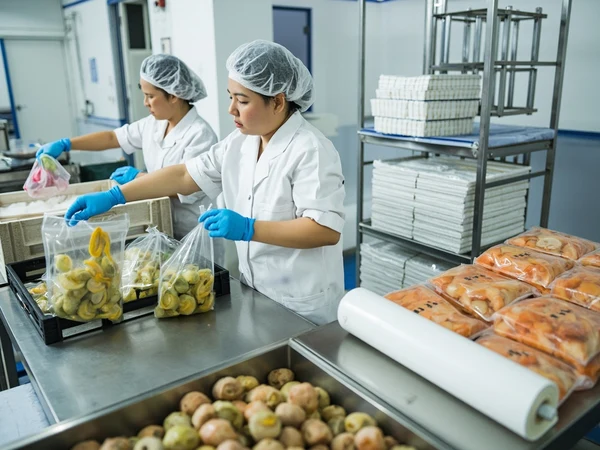
Pickled and Fermented Food Packaging: How Ziplock Bags, PE Cling Film, Aluminum Foil and Baking Paper Each Handle a Different Stage
1. Pickled and fermented foods break the rules that work for fresh produce
Salt, acid, brine and long fermentation periods change the behaviour of packaging materials completely. A selection method that works for fresh chilled products simply does not transfer here.
- Salt and acid attack: salt, acetic acid and lactic acid in the brine stay in constant contact with the package. Some films embrittle or stick together faster in low pH conditions, and a ziplock bag made from the wrong resin can slowly leak when it holds sour and spicy products for months.
- Brine leakage and cross-contamination: partially prepared vegetables carry their own liquid. Without absorbent and separating layers, crates and boxes leak into each other and flavours bleed across the line.
- Light and oxygen: the colour and aroma of pickled and fermented products react strongly to light and oxygen. Long retail display in clear packaging accelerates browning and aroma loss.
- Condensation and humidity: when finished product leaves the cold store, moisture condenses inside the bag. Labels lift, the surface fogs over, and the unboxing experience suffers.
2. Four materials, four jobs: one material should not carry the whole line
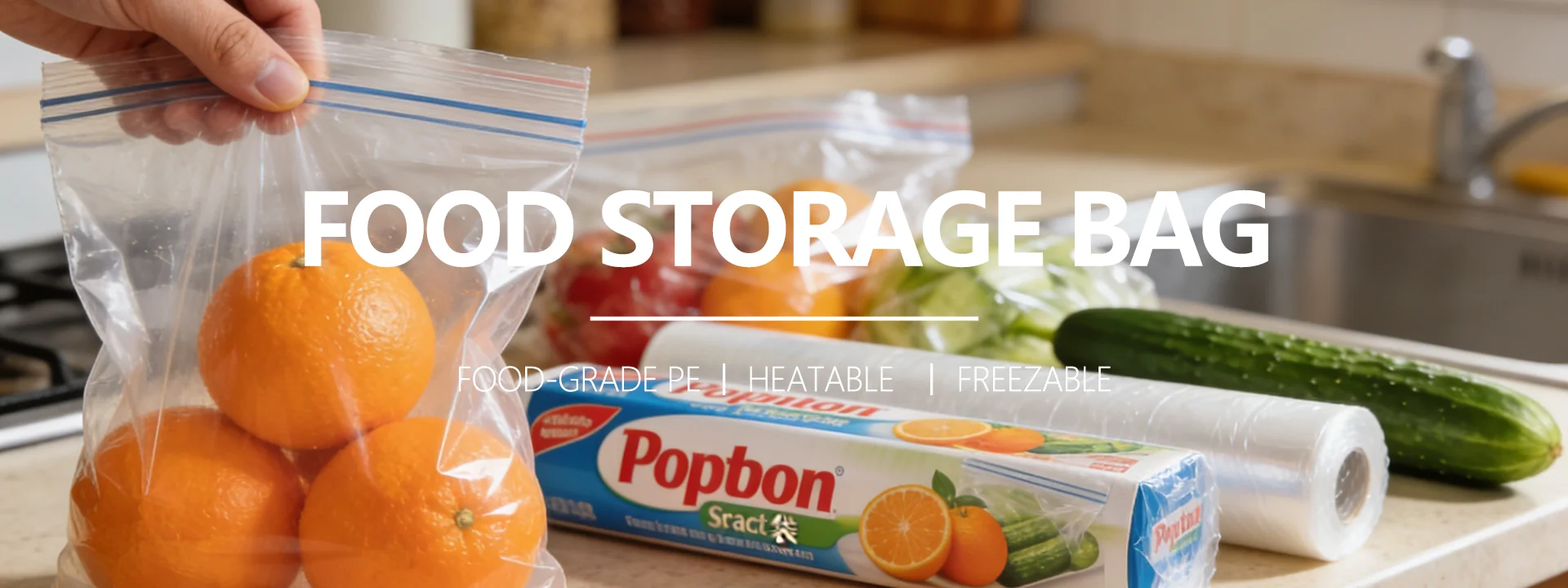
- Ziplock bags: sealing, portioning and shelf display. Three checks matter when packing pickled and semi-prepared products: whether the material resists salt and acid, whether the seal strength is enough to survive pressure changes inside the bag, and whether the opening width matches the portioning line. Large ziplock bags for full-case handling, small ones for retail packs, and uniform dimensions across a run keep changeover losses low.
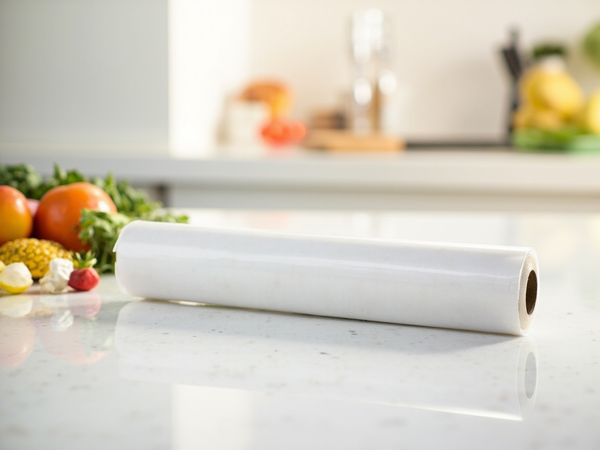
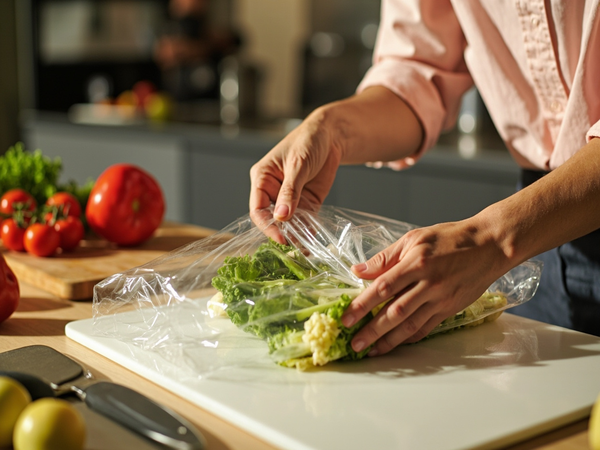
- PE cling film: covering between process steps and short-cycle transfers. Sorting tables, temporary sealing of pickling vats, and the inside of totes that are packed but not yet chilled all need a layer that blocks dust, moisture and odour transfer. When choosing, look at how tightly the film stretches and how well it recovers, not at thickness alone.
- Aluminum foil: light blocking, aroma blocking and composite liners. Pickled and fermented products generally need to be kept away from light, and aluminum foil can wrap the product directly, form the inner liner of a composite bag, or serve as a light-blocking sealing layer, solving oxygen, moisture and aroma in one move.
- Baking paper used as food-grade liner sheet: absorbing brine, lining crates and separating layers. A liner sheet on the bottom of a crate stops brine from pooling under the product, and inside a bag it separates pieces so they do not stick together or exchange flavours.
3. Packaging demands differ at every process step
- Raw material preparation and sorting: the priority here is preventing cross-contamination. A cling film that covers a large surface area and seals quickly is more useful than any bag.
- Pickling and fermentation: sealing the container, blocking light and holding temperature are the decisive factors. Aluminum foil wrapping for light protection, combined with a ziplock bag cut into a vat sealing ring, is more reliable than a single layer.
- After cooking or sterilisation: do not seal a ziplock bag while the product is still hot. Condensation forms as water droplets inside the bag, so the correct sequence is to cool first and portion afterwards.
- Portioning finished product: this is the stage where appearance and speed decide the cost. Uniform ziplock bags combined with a baking paper liner give the highest line speed and the lowest waste.
- Cold chain and shelf display: light protection and sealing determine the final state. Seal strength of the ziplock bag and the light-blocking layer of aluminum foil are the two things that matter most in this last stage.
4. Five points to control when buying and accepting material
- Food contact compliance: material, additives and migration must meet food contact material requirements. Ask for the matching laboratory reports and confirm they apply to your specific product and process.
- Salt, acid and seal strength validation: run immersion and sealing trials with your own actual brine and your own oil and sauce rather than relying on generic laboratory data.
- Matching the line: roll width, roll length and bag opening width must line up with the parameters of portioning and wrapping machines, otherwise every loss is paid for in line stoppages.
- Consistent weight and thickness: keep batches within one order consistent so that material changes do not trigger repeated machine adjustments.
- Traceability: batch, specification and production date should be traceable, so that a swollen or leaking bag can be traced back to a specific roll number and process step.
5. Conclusion: packaging moves from holding the product to locking the flavour
The difficulties of pickled and fermented food packaging can be summarised in five words: salt, acid, light, gas and brine. Ziplock bags take care of sealing and display, cling film covers the process steps, aluminum foil blocks light and holds aroma, and baking paper absorbs brine and separates layers. Assign each stage to the right material, and the colour, aroma and yield of the product arrive at the customer consistently instead of being rescued at the kitchen bench.