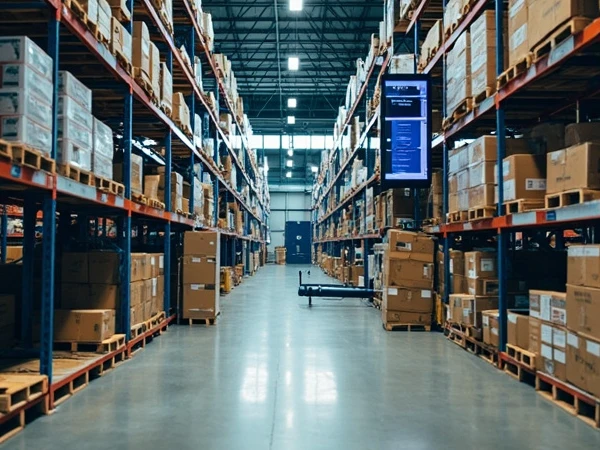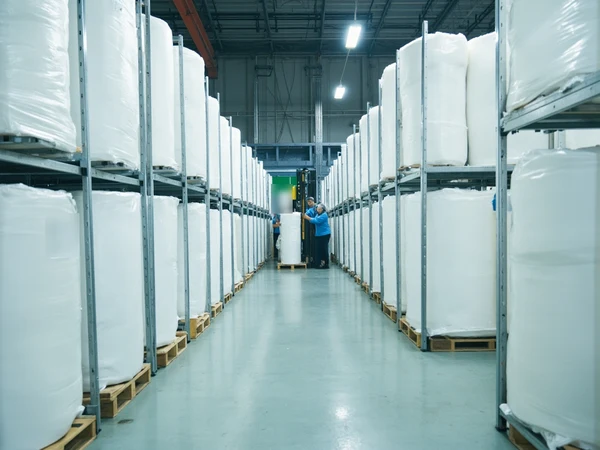
1. The raw material warehouse is the first station of packaging quality
In a food packaging factory, the appearance and performance of the finished product are often half decided before the material even reaches the line. A film roll that stays in the warehouse a few days longer, takes on moisture once, or gets pressed one extra time turns into visible differences during slitting, bag making and sealing.
- Moisture: after absorbing moisture, PE cling film rolls show higher water vapour transmission and weaker cling, and a foggy film appears on the surface. Moist ziplock bag material loses seal strength, so filled bags wrinkle and stick together far more often.
- Aging: prolonged ultraviolet exposure degrades the polymer chain, so the film turns brittle and its stretch recovery drops. Slitting edges then develop small cracks.
- Dents: when rolls are stored on their side or stacked too high, the core is loaded unevenly and leaves dents and taper. Slit width becomes unstable and sealing edges are no longer flat.
- Mixed batches: rolls of different specifications and from different incoming batches stored together are easy to pick up wrongly, and batch consistency on the line goes out of control.
2. Storage environment control: temperature, humidity, light and stacking
- Temperature and humidity ranges with continuous monitoring: the warehouse sets a controlled range and keeps records, so daily temperature swings do not cause condensation on the material surface. The hot summer period and the rainy season are the key monitoring windows.
- Light protection: racks are placed against the wall or fitted with light shielding, which reduces direct sunlight and long exposure to lamps and slows down material aging.
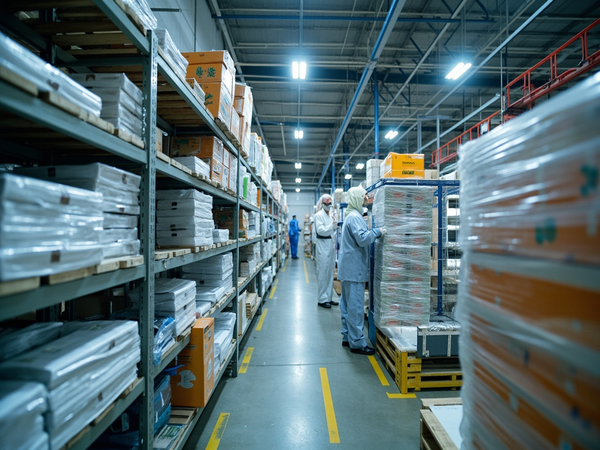
- Upright storage on pallets: rolls stand vertically on pallets so the core carries load evenly. Stacking tiers are calculated from roll diameter and rack capacity, and no over-height stacking is allowed.
- Off the floor, away from walls: pallets are raised to keep moisture out, material never rests on the ground or leans against a wall, and aisle width stays matched to forklift working space.
- Zoned management: the pending inspection area, qualified area, rejected area and return pending area are physically separated, and materials from different zones are never mixed.
3. First in, first out and batch cards
- Batch card on inbound: every roll is registered with its roll number, incoming batch, specification and grammage, arrival and inbound date, forming a searchable batch file.
- First in, first out: picking follows inbound date, and when the same specification exists in several batches, the earliest batch is used first, so no batch sits in the warehouse for long periods.
- Picking records: each pick records the requisition, the roll number and the production batch it is tied to, so the affected scope can be located quickly when an issue appears.
- Linked with retained samples: when one batch of material runs on different dates, retained samples and shelf life validation records are archived by batch, making it possible to reconstruct the state at that time.
4. How abnormal rolls are handled
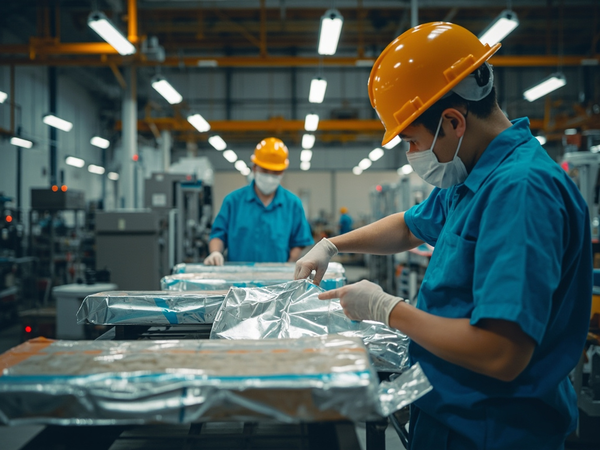
- Rolls that are moist, dented, deformed at the core or visibly damaged are moved to the quarantine area on the spot and unrolled for inspection, and only after assessment are they downgraded for use or returned.
- Rolls with missing labels or unclear batch information are suspended from use. Their origin and specification must be traced before a decision is made; they are never released on judgement alone.
- Conclusions are filed: quarantine reason, inspection process and final decision are recorded per batch, so every downgrade or return has a documented basis.
5. Handing over from warehouse to production line
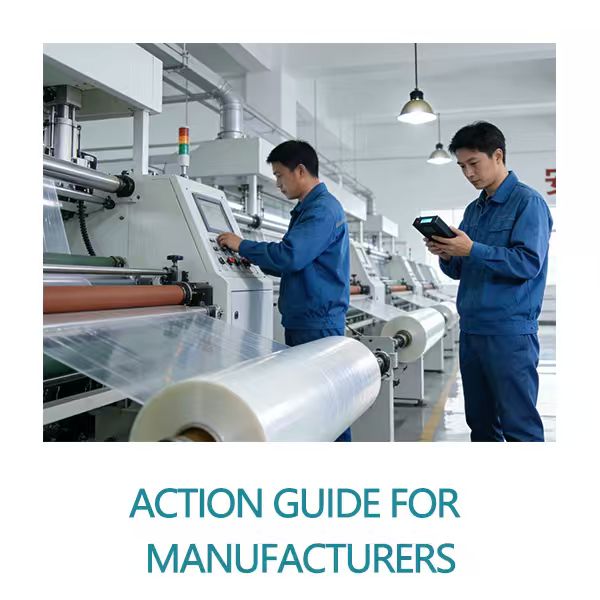
- Material is moved on roll carts after picking. Anything not used on the day returns to a designated staging area, never resting on the floor or against a wall.
- Staging areas on the shop floor follow the same light, dust and clearance rules as the warehouse, so floor conditions do not change how the material is stored.
- During changeover, leftover material is sealed and labelled by its original batch. Before it is used again, its appearance and condition are confirmed, which prevents different batches from being mixed within one order.
Raw material storage looks like internal warehouse work, but it decides whether the roll that reaches the line is still the same material it was when it arrived. Once environment control, batch management, quarantine and handover rules are fixed, the consistency of the finished package has a real foundation.