

Categories
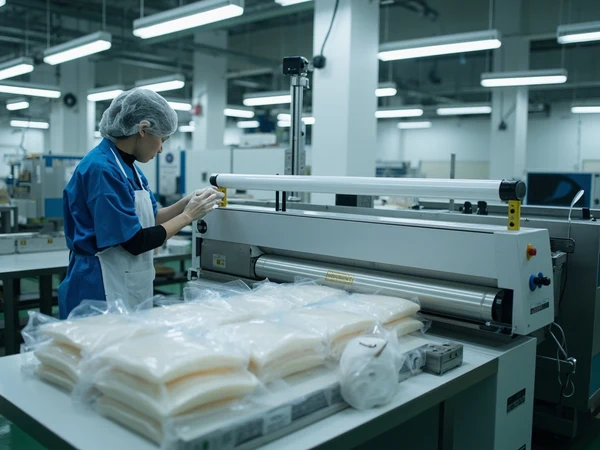
Setting the Heat-Seal Window for Ziplock Bags: How Temperature, Pressure and Time Balance Seal Strength Against Premature Sealing
When the same roll of ziplock film behaves differently on different sealing machines, the cause is rarely unstable material: heat sealing is a window, not a point. The result is set by temperature, pressure and time, which can compensate for one another, and what really determines usability is how wide the working range can be before something goes wrong. The lower boundary is a weak seal and leakage, the upper boundary is a sticky mouth and premature sealing. Melt flow rate, slip additive deposit, gauge and structure on the material side, and band material, sensor deviation and cooling on the equipment side all move or narrow that window. This article walks through stepped qualification to find the plateau, the investigation order for four common defects, and the parameter guidance sheet and first-article confirmation used with customers, showing how a heat-seal window becomes handoverable data instead of operator memory, so ziplock bags seal reliably, seal well and stay stable batch to batch on the customer line.
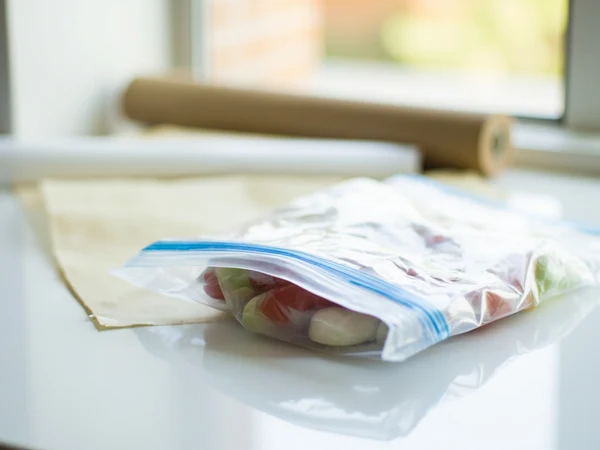
Reusing Ziplock Bags Without Losing the Seal: Zipper Structure, Durability Cycles and Long-Term Freshness
A ziplock bag is one of the few flexible food packages that can be reopened, but opening once and still sealing after dozens of cycles are different things. This article breaks down three structural variables of the sealing teeth (number of tracks and engagement depth, tooth profile and pitch, zipper flange), compares PE, PET and composite structures on fatigue, environmental stress cracking and barrier performance, explains how contents and storage conditions decide the real number of re-use cycles, and gives practical measures: visual inspection before every use, portioning liquids, drying completely, avoiding hot sealing, and trading one large bag for several small ones. It closes on where ziplock bags, PE cling wrap and aluminum foil each belong.

Date Marking and Batch Coding on Food Packaging: Making Room for Traceability on Ziplock Bags and Cling Film
Batch numbers, production dates and storage conditions all end up on the package, yet the printable area is often the tightest space in a custom printed project. This article compares four identification positions - a reserved block on the front, the back information panel, a horizontal strip along the bag opening and the margins flanking the zipper - explains how the code position interacts with the seal line, the zipper track, the edge distance and oily contents, reviews how corona treatment and primer affect adhesion, why dark and matt areas are hard to read, how character specification must match the coding equipment, and how PE cling wrap ties batches through core labels and end-face printing. It also sets out test coding, first-article confirmation and segregation of wrong batches at changeover.

Surface Treatment and Printability: What Causes Ink and Adhesive Failures on Ziplock Bags and Cling Film
Flaking ink, lifting labels and smudged codes are rarely a consumables problem; they usually point to insufficient surface energy on the film itself. This article explains surface tension, corona treatment and the sealing face, sets out the five usual causes of adhesion failure, describes three measurable checks for the shop floor, and shows how to write surface criteria into a purchasing technical agreement so both sides judge acceptance on the same numbers.

Clarity and Haze in Food Packaging Films: How the Optical Performance of Ziplock Bags and Cling Film Shapes Shelf Display and Product Visibility
Transparency, haze and gloss are the three optical specifications of packaging film that get overlooked most often yet are the most immediately visible. This article breaks down the four deciding factors - resin grade, additive ratios, the blown-film and stretching process, and gauge uniformity - explains how storage and ageing shift optical performance, and sets out a three-step check for incoming material together with indicator priorities for different packaging scenarios.
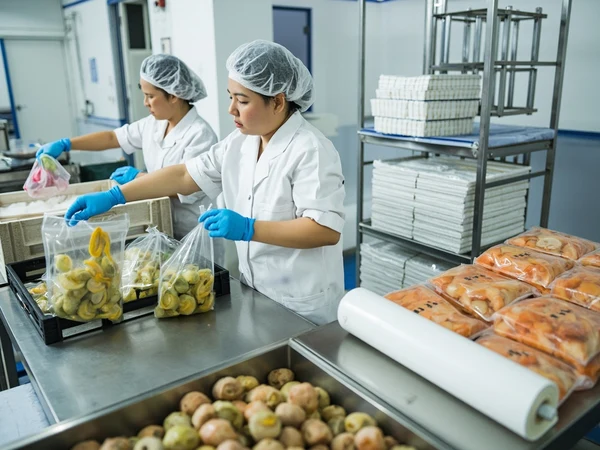
Pickled and Fermented Food Packaging: How Ziplock Bags, PE Cling Film, Aluminum Foil and Baking Paper Each Handle a Different Stage
The packaging difficulties of pickled and fermented food come down to salt, acid, light, gas and brine. This article maps each material to the stage it handles: ziplock bags for sealing, portioning and display, PE cling film for covering between process steps, aluminum foil for light and aroma blocking, and baking paper for brine absorption and separation, plus the different demands of five process steps and what to check when buying and accepting material.
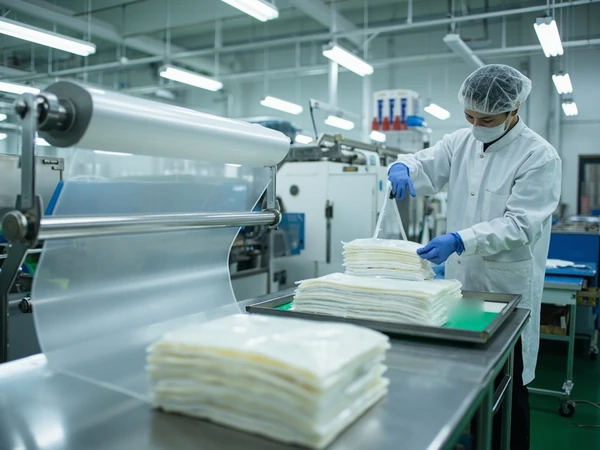
Matching Packaging to the Line: How to Select Ziplock Bag and Cling Film Roll Width and Gauge for Automated Equipment
Automated packaging lines impose hard limits on packaging specifications. This article breaks down the four groups of machine parameters that frame the usable specification range, the use cases of three feed formats, six parameters that belong in the purchase specification, and where common faults such as web drift and sealing temperature drift originate.
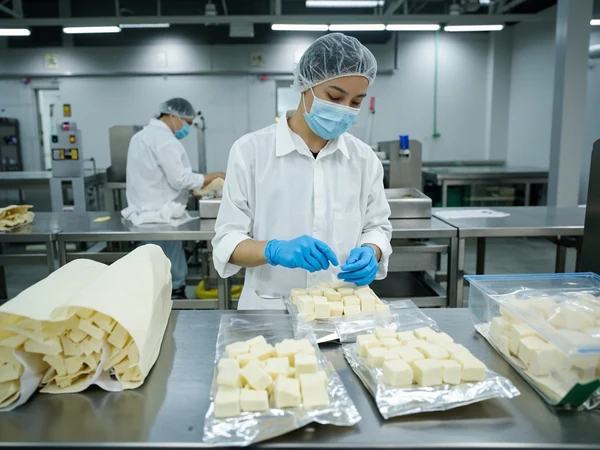
Dairy Packaging Selection: Ziplock Bags, Cling Wrap and Aluminum Foil for Yogurt, Cheese and Butter
Yogurt loses moisture and takes on contamination, cheese and butter oxidize and pick up odors, cream collapses. Different dairy products fail in different ways. This article breaks down what ziplock bags, cling wrap, aluminum foil and baking paper each do well, maps them to specific product types, and covers the overlooked parameters: low-temperature toughness, adhesion and elasticity, the barrier-thickness balance, and odor migration.
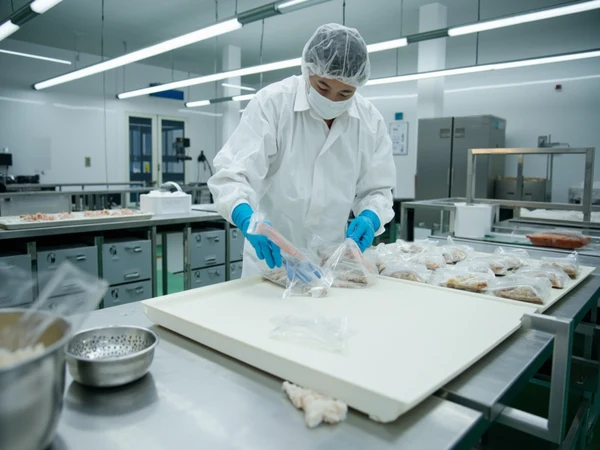
How Ziplock Bags and Cling Wrap Block Cross-Contamination: Practical Steps for Raw-to-Cooked Separation and Kitchen Protection
Where does cross-contamination actually come from? This article maps the four contamination paths, shows how ziplock bags, cling wrap, aluminum foil and baking paper work as a physical barrier, sets out portioning and storage rules for raw-to-cooked separation, and closes with three practical points for buyers and users.

Odor and Migration Control in Food Packaging: How Ziplock Bags and Cling Wrap Protect Original Flavor
Packaging odor sits outside the food-safety red lines yet drives repeat purchase on the shelf. This article traces odor to raw material, process and warehousing, explains the three variables that govern odor migration, compares PE cling wrap, ziplock bags, aluminum foil and baking paper, and outlines three practical verification steps for procurement teams.




