

Categories
Tag: baking paper
Found 34 article(s)
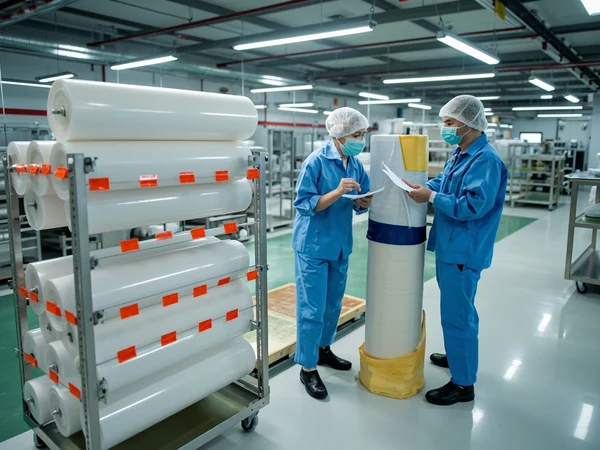
Baodafor Builds a Quarantine and Disposal System for Nonconforming Material: Every Rejected Film Roll Has a Clear Basis and a Defined Fate
A quarantined film roll that mixes into a good batch and reaches the customer costs far more than one roll of material: it costs the customer trust in the whole batch. Baodafor builds a quarantine and disposal system for nonconforming material. The workshop is zoned into pending-judgment, nonconforming and released-goods areas, status marking travels with the material, and every quarantine and every disposition is entered in a written log. Judgment rests on test data rather than on whether something looks acceptable, and disposition runs through four routes: rework, downgrade with stated limits, supplier return or claim, and scrap. The system is linked to batch traceability, retain samples and customer complaint handling, which is what makes delivery certainty possible across parallel production of ziplock bags, PE cling wrap, aluminum foil and baking paper.
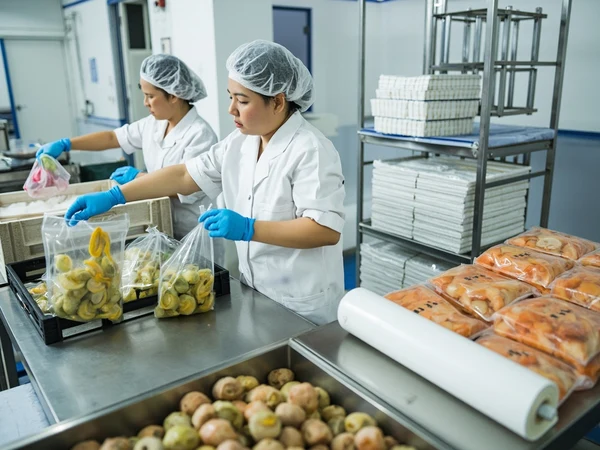
Pickled and Fermented Food Packaging: How Ziplock Bags, PE Cling Film, Aluminum Foil and Baking Paper Each Handle a Different Stage
The packaging difficulties of pickled and fermented food come down to salt, acid, light, gas and brine. This article maps each material to the stage it handles: ziplock bags for sealing, portioning and display, PE cling film for covering between process steps, aluminum foil for light and aroma blocking, and baking paper for brine absorption and separation, plus the different demands of five process steps and what to check when buying and accepting material.
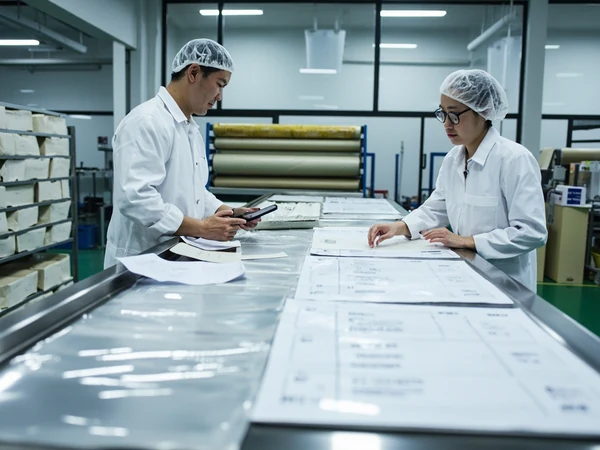
Baodafor Builds a Packaging Specification Selection System to Move Material Sizing from Experience to Standardized Comparison
Baodafor has consolidated the material selection experience of its four product lines into one unified packaging specification selection system, using shared parameter definitions, a scenario-to-material decision path, quick-reference material and sample-based trial production to move customer material selection from experience to standardized comparison.
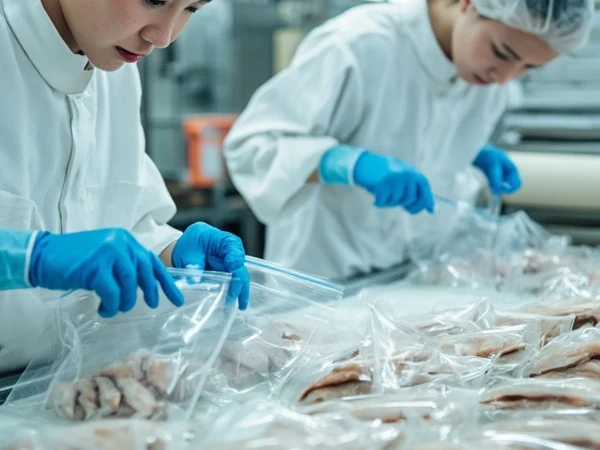
Aquatic Product Processing Scales Up: How Ziplock Bags and Aluminum Foil Handle Leakage, Odor Transfer and Oxidation
Once aquatic product processing moves into centralized plants, packaging becomes the step that decides yield and quality. This article breaks down three real problems - leakage and weight loss, odor transfer and oxidation - shows what ziplock bags, aluminum foil, baking paper and cling film each solve, and sets out where packaging appears along the chain and what to watch when buying and accepting material.
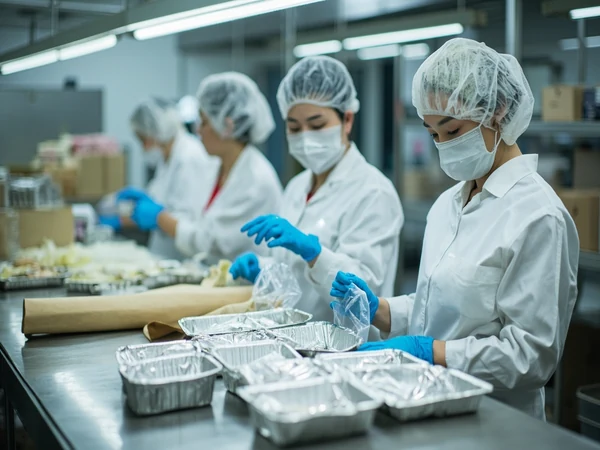
Institutional Catering and Central Meal Distribution Expand: Ziplock Bags, Aluminum Foil and Baking Paper Meet Growing Portioning Demand
As institutional catering and central meal distribution shift from on-site cooking to centralized production and uniform delivery, portioning packaging becomes a stable new demand. This article maps the roles of ziplock bags, baking paper, aluminum foil and cling wrap across cold portioning, hot-food separation, foil containers and temporary sealing, and sets out the four hard requirements on the procurement side: food-grade compliance, size and throughput matching, temperature-zone adaptation, and cost per portion.
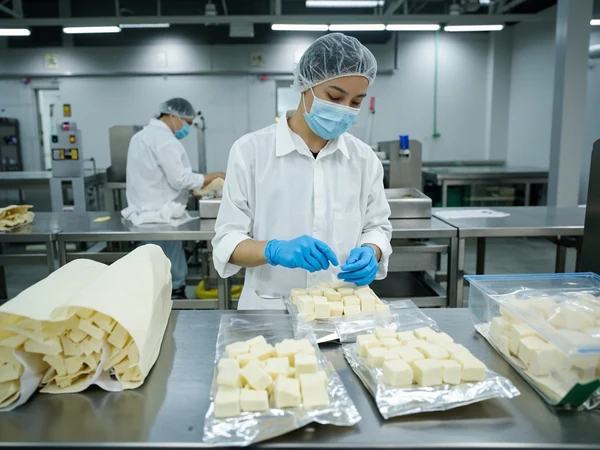
Dairy Packaging Selection: Ziplock Bags, Cling Wrap and Aluminum Foil for Yogurt, Cheese and Butter
Yogurt loses moisture and takes on contamination, cheese and butter oxidize and pick up odors, cream collapses. Different dairy products fail in different ways. This article breaks down what ziplock bags, cling wrap, aluminum foil and baking paper each do well, maps them to specific product types, and covers the overlooked parameters: low-temperature toughness, adhesion and elasticity, the barrier-thickness balance, and odor migration.
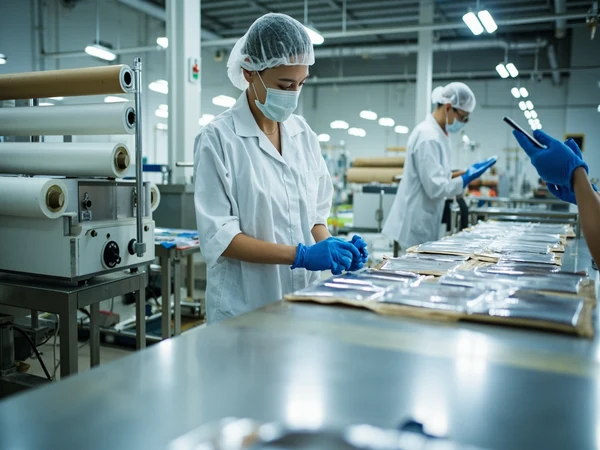
Baodafor Builds a Closed-Loop Process for Customer Quality Complaints, From Triage to Root Cause to Corrective Action
Complaints on ziplock seals, foil lamination, baking paper weight and cling wrap adhesion cluster around a handful of specific defects. This article walks through Baodafor closed-loop handling: three-level triage with temporary containment, evidence-based elimination across four root cause categories, written corrective actions with named owners, and what the customer receives at the end of the loop.
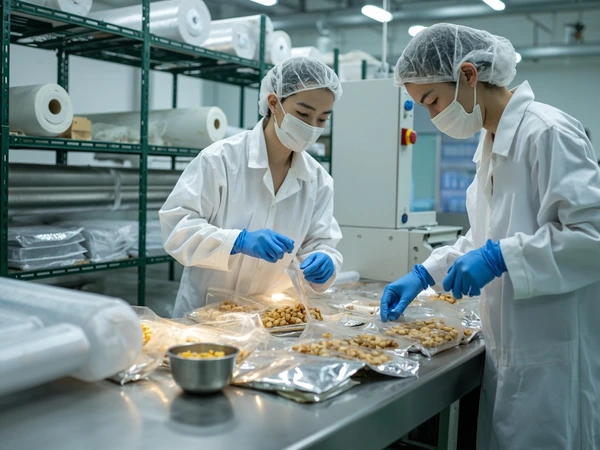
Channel Shifts in the Nut and Snack Industry Drive Demand for Freshness Packaging: Choosing Aluminum Foil, Ziplock Bags and Baking Paper
Nuts and snacks are shifting from bulk market stalls to supermarkets, e-commerce and discount snack chains, and every channel needs a different pack format. This article explains the economics of oxidation, maps aluminum foil, ziplock bags and baking paper to their typical applications, and sets out four effects for the packaging supply chain plus three practical procurement actions.
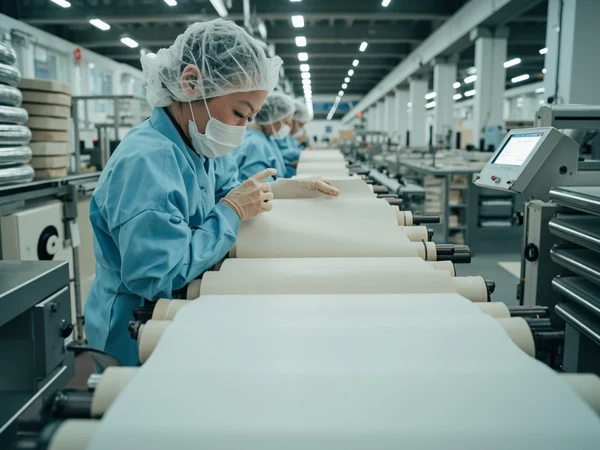
Industrialization of the Baking Supply Chain: Chain Outlets and Central Kitchens Drive Demand for Baking Paper and Aluminum Foil
Chain bakery and central kitchen models push baking production toward industrialization. The release coating and basis-weight consistency of baking paper, the insulation and barrier performance of aluminum foil, and food-contact compliance with batch traceability now define supplier selection.
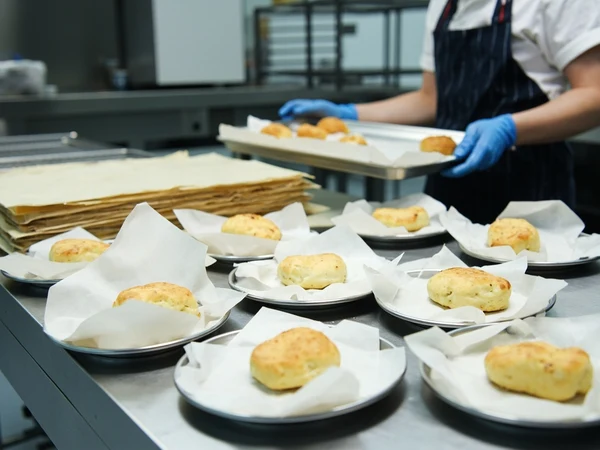
Grease-Proof Baking Paper Explained: Grammage, Coating, and Selection for Baking Scenarios
A breakdown of baking paper grease resistance across grammage, coating method, and temperature range, with selection guidance for laminated pastry, cookies, and cakes.




