

Categories
Tag: ziplock bag
Found 103 article(s)
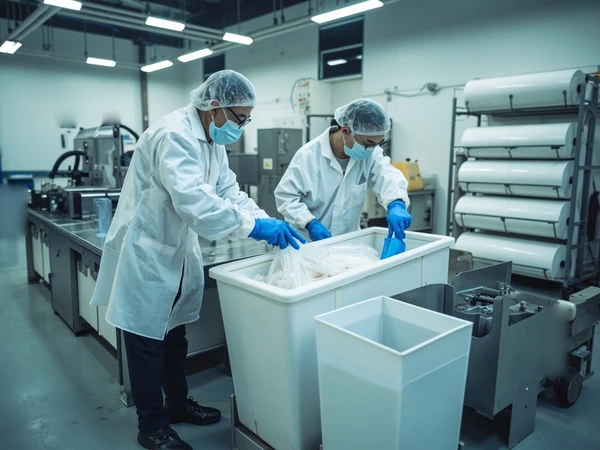
Baodafor Builds a Closed-Loop Recycling System for Film Trim Waste, Enabling In-Line Reuse from Slitting to Bag Making
How can film trim from slitting and bag making become a traceable in-process input? This article breaks down where PE trim waste comes from, the three technical barriers that stop it from being reused directly, the four-step sorting, grinding, filtering and blending loop, and how reuse ratios, retained samples and buyer due diligence work in practice.

Channel Shifts in the Nut and Snack Industry Drive Demand for Freshness Packaging: Choosing Aluminum Foil, Ziplock Bags and Baking Paper
Nuts and snacks are shifting from bulk market stalls to supermarkets, e-commerce and discount snack chains, and every channel needs a different pack format. This article explains the economics of oxidation, maps aluminum foil, ziplock bags and baking paper to their typical applications, and sets out four effects for the packaging supply chain plus three practical procurement actions.

Odor and Migration Control in Food Packaging: How Ziplock Bags and Cling Wrap Protect Original Flavor
Packaging odor sits outside the food-safety red lines yet drives repeat purchase on the shelf. This article traces odor to raw material, process and warehousing, explains the three variables that govern odor migration, compares PE cling wrap, ziplock bags, aluminum foil and baking paper, and outlines three practical verification steps for procurement teams.
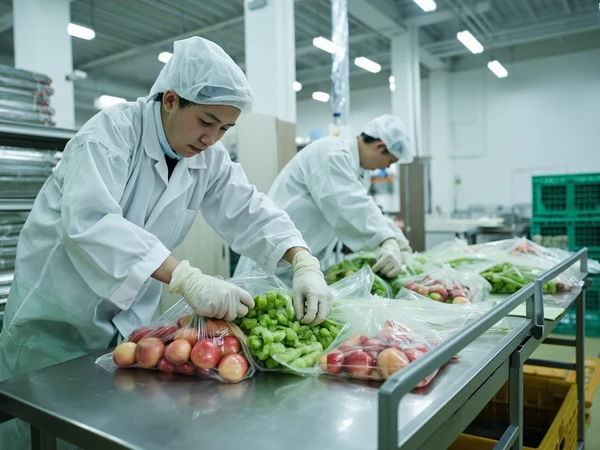
Demand for Post-Harvest Packaging of Fruits and Vegetables Keeps Growing: Pre-Cooling and Cling Wrap Become Key to Reducing Loss
Most fruit and vegetable loss happens within the first hours after harvest. This article analyses the sequence of pre-cooling and packing, common packing methods at production sites, film specification matching by category, food contact safety and how buyers now weigh packaging cost against avoidable loss.
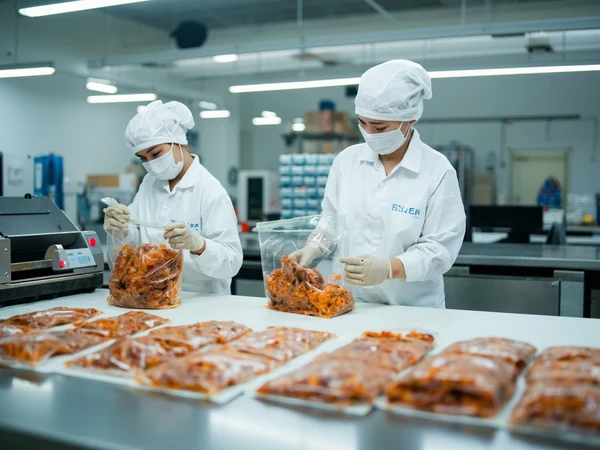
Oil Resistance of Ziplock Bags: How to Choose the Right Film for Braised, Fried and Sauced Foods
Oil seepage in ziplock bags usually comes from three paths: film permeation, seal leakage and pinholes. This article breaks down the variables behind oil resistance and gives practical guidance on film selection and packing steps for braised, fried and chilled oily foods.

Baodafor Builds Order Scheduling and Capacity Evaluation, Making the Plan Transparent from Order Review to Line Dispatch
Baodafor builds an order scheduling and capacity evaluation mechanism covering order review, per-process capacity calculation, material kitting and work order dispatch, making lead time commitments more accurate and rush order responses more controllable.

Baodafor Upgrades In-House Material Performance Testing, Building Full-Process Verification from Raw Materials to Finished Products
Baodafor upgrades in-house material performance testing, covering incoming material parameters, on-line thickness control and routine finished-product verification, so every batch of ziplock bags, cling wrap, aluminum foil and baking paper carries reproducible performance data.
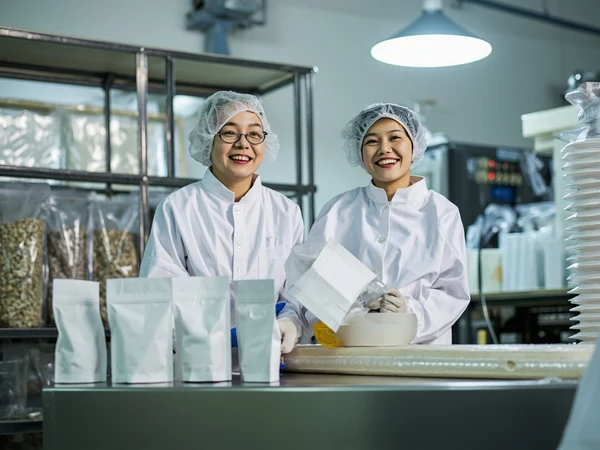
Private Label Expansion in Supermarkets and Membership Stores Drives Demand for Customized High-Barrier Food Packaging
As membership stores and supermarkets expand their private-label ranges, packaging shifts from selling material to co-designing the pack. Nuts and baked goods need foil-based barrier structures, grains and tea rely on high-barrier PE cling film and ziplock bags for moisture and light protection, and freeze-dried or bakery semi-finished products often pair baking paper with foil. Private label also brings factory audits, food-contact material documentation, retention samples and lot traceability into the packaging brief.
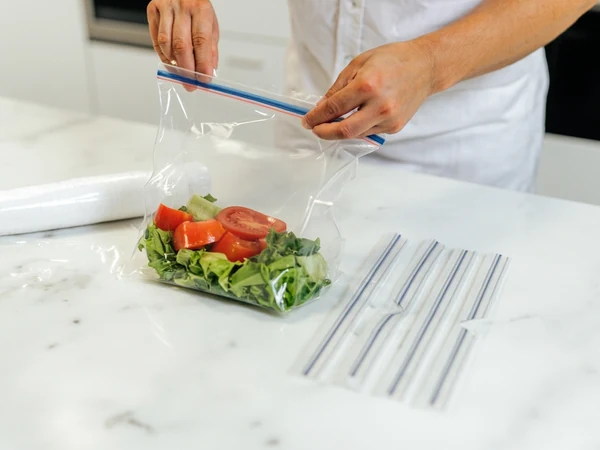
Ziplock Bag Air-Displacement Sealing: Manual Air Removal to Slow Oxidation and Condensation
Trapped air is a silent enemy of freshness in a ziplock bag: oxygen drives oxidation while moisture condenses and leaves food sitting in water. Manual air removal needs no equipment - lay the food flat, press evenly from the bottom up, and re-check the seal. Baodafor verifies seal strength, double-seal consistency and low-temperature bag durability so hand-compressed bags still hold up in cold-chain handling.
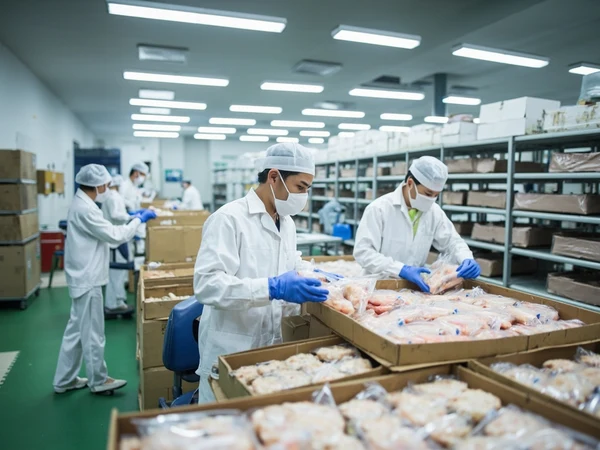
Instant Retail and Short-Chain Delivery Reshape Food Packaging Demand Toward Small-Batch, High-Frequency Orders
Instant retail and short-chain delivery break food packaging demand into replenishment cycles measured in days or even hours. Harsher delivery conditions, smaller and more frequent orders and the display value of packaging are pushing competition from unit price toward protection performance per unit of logistics cost.




